





Carbs Aren't the Enemy
A significant misunderstanding in the clean eating movement suggests that eliminating carbohydrates is key. However, this is a detrimental oversimplification.
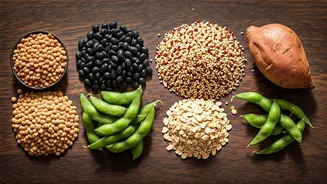
Carbohydrates are the body's primary fuel source, essential for energy. For growing children, complex carbohydrates are crucial for development and nutrient intake. A balanced diet, not carbohydrate exclusion, is the healthier path. Focusing on whole, unprocessed carbohydrate sources like fruits, vegetables, and whole grains provides sustained energy and vital nutrients, making them a cornerstone of a healthy family diet rather than something to be feared or discarded entirely.
Healthy Food Affordability
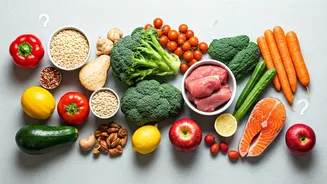
The notion that nutritious eating necessitates a hefty budget and exclusive access to exotic superfoods is a persistent myth. In reality, a wealth of wholesome, nutrient-dense foods are both readily available and affordable. Staples like seasonal fruits and vegetables, legumes, eggs, rice, and oats are foundational to a balanced diet and can be procured without breaking the bank. Parents can confidently provide their children with adequate nutrition by prioritizing these accessible ingredients, dispelling the myth that healthy eating is an expensive luxury.
Treats Have a Place
The belief that a clean eating plan demands complete abstinence from sweets and enjoyable snacks is an overly rigid perspective that can be counterproductive for families. Instead of outright prohibition, nutritionists advocate for a more adaptable approach. Introducing small, occasional portions of favored treats can be an effective way to teach children about moderation and healthy eating habits. This balanced strategy prevents feelings of deprivation and fosters a positive relationship with food, making healthy eating a sustainable lifestyle rather than a series of deprivations.
Packaged Food's Role
It's a common misconception that all packaged foods are inherently unhealthy and should be avoided in favor of strictly unpackaged items. While it's true that many processed foods contain excessive sugar, salt, and preservatives, not all pre-packaged options are detrimental. Many conveniently packaged items, such as bread, yogurts, nut butters, and even some health-conscious snack bars, can be safely incorporated into a family's daily diet. Careful label reading and choosing options with minimal added ingredients are key to leveraging these convenient foods for nutritional benefit.
Embrace Imperfection
Perhaps the most pervasive myth surrounding clean eating is the pressure to achieve an unattainable level of perfection, leading to strict adherence to rigid food rules. The reality is that healthy eating is not about absolute dietary purity or never deviating from a plan. Instead, it's about consistently integrating nutritious foods into your family's diet over time. A flexible and forgiving approach, acknowledging that occasional indulgences are normal, is far more conducive to long-term health and well-being than striving for an unrealistic ideal.