







Fashion's Serene Shift
For several seasons, the fashion world championed 'dopamine dressing,' characterized by audacious colors like punchy pinks and electric greens, aiming
for immediate sartorial gratification and outward expression. This approach was about injecting joy and energy into one's look. However, as our lifestyles increasingly gravitate towards slower rhythms, mindful wellness practices, and a more contemplative pace, our relationship with clothing is undergoing a transformation. Enter 'cortisol dressing,' a less about outward display and more about an introspective connection with our attire. This emerging trend prioritizes a sense of calm and ease over the need for constant stimulation or attention-grabbing statements, marking a significant pivot towards personal comfort and emotional regulation through style.
The Emotional Wardrobe
At its heart, cortisol dressing is deeply rooted in emotional well-being. The name itself, referencing the body's primary stress hormone, highlights the trend's objective: to select garments that actively soothe rather than overstimulate our senses. It shifts the focus from standing out in a crowd to achieving an internal state of ease and comfort. While dopamine dressing was about making a statement to the world, cortisol dressing prompts a more personal inquiry: 'How do I wish to feel today?' This mindful curation of a wardrobe based on desired emotional states, favoring harmony and balance, has become increasingly relevant, particularly as we become more aware of how our environment, including our clothing, influences our nervous system.
Color Palette of Peace
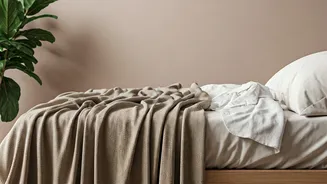
The role of color is central to this new sartorial philosophy. While pastels are a perennial spring favorite, their current manifestation under the cortisol dressing umbrella feels distinctly more subdued and intentional. Consider shades like a muted, buttercream yellow, which offers a gentle, soft optimism without being overtly loud. Dusty blues provide a sense of calm stability, while sage greens evoke a grounded, almost meditative tranquility. Neutral tones such as oatmeal, beige, and washed greys act as foundational elements, offering a soothing neutrality that feels grounded rather than bland. A gentle dust pink can add a touch of warmth without becoming overly sweet, completing a palette designed to instill a sense of peace and balance.
Comfortable Silhouettes
The silhouettes favored in cortisol dressing mirror the trend's emphasis on comfort and ease. Expect to see looser fits, fluid tailoring, and fabrics that feel incredibly gentle against the skin. Natural materials like soft cottons, comforting knits, and breathable blends are paramount, prioritizing unimpeded movement and a sense of freedom. There's a conscious avoidance of anything overly restrictive – nothing too tight, too loud, or excessively complex. The overarching goal is to minimize sensory overload, allowing clothing to function as a personal sanctuary, a comforting embrace in a world that can often feel overwhelming and demanding.
A Cultural Reflection
In many respects, cortisol dressing is a sartorial manifestation of a broader societal shift. As conversations surrounding mental health, burnout, and the pursuit of balance become more prevalent and accepted, fashion is responding by reflecting these concerns. The emphasis is no longer solely on how an outfit looks, but crucially, on how it makes one feel – both physically and emotionally. This style represents a form of self-regulation, where the act of getting dressed transforms into a deliberate ritual of self-care and intentional living, acknowledging that our attire can be a powerful tool in managing our well-being.