



Perception Over Reality
The feeling of spaciousness in a home is rarely about the exact square footage; it's more about how we perceive the space. Even a cozy 200 sq ft dwelling
can offer a sense of freedom and openness with thoughtful planning. Factors like the strategic use of light, the arrangement of furniture, and directing the eye's flow are paramount. Experts in urban living emphasize that clever layouts and efficient design choices significantly enhance the quality of life in smaller residences, regardless of their actual dimensions. The primary aim isn't to magically create more physical space, but rather to eliminate visual barriers and unnecessary items, resulting in a serene, uncluttered, and surprisingly generous living environment.
Open Sightlines are Key
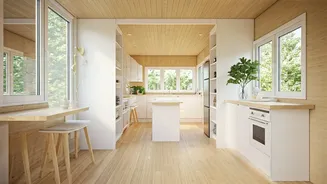
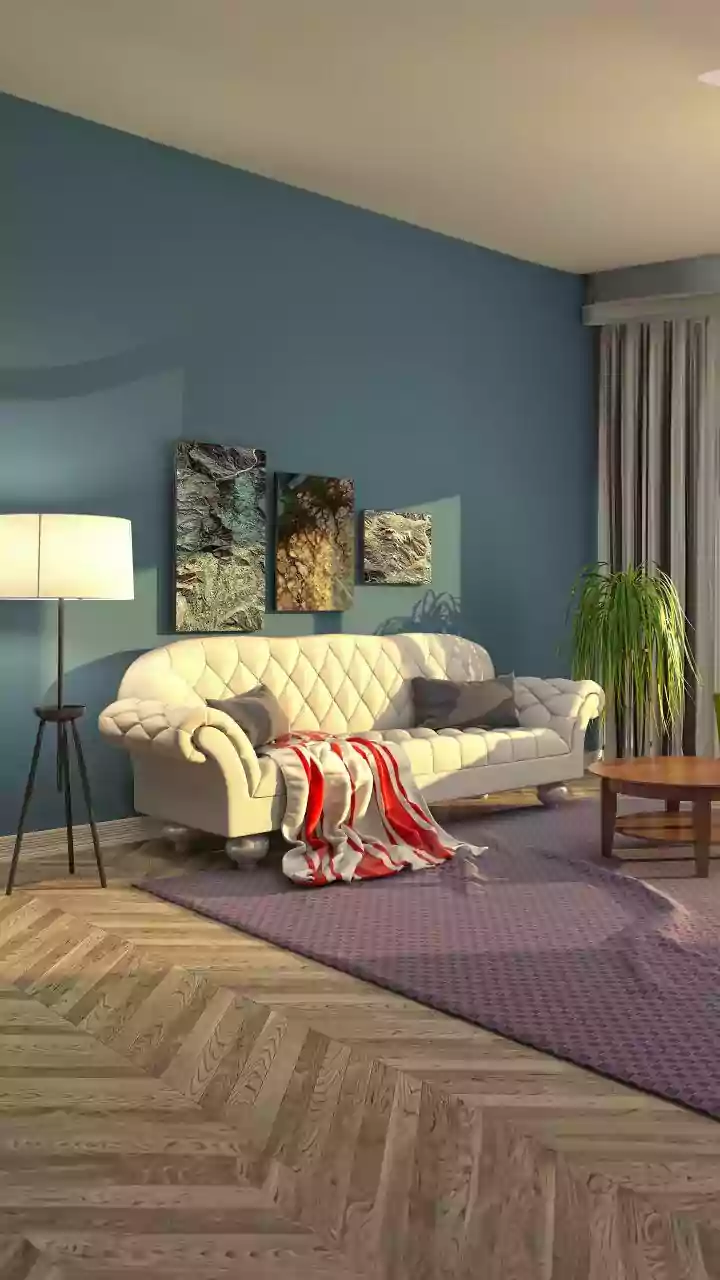
Often, small homes feel cramped because the eye encounters too many obstructions, such as sharp visual contrasts, bulky dividers, or overcrowded arrangements. To counter this, prioritize maintaining clear sightlines. Employ low-profile furniture, avoid tall partitions that block views, and position key pieces along the walls to create an uninterrupted path for the eye. Even leaving one wall largely bare can introduce a sense of depth. Architects suggest that a room's perceived size increases when the eye can roam freely. If distinct areas are necessary, consider using glass panels or sheer drapes instead of solid walls; these can delineate zones without compromising the feeling of openness and flow.
Color Palette Mastery
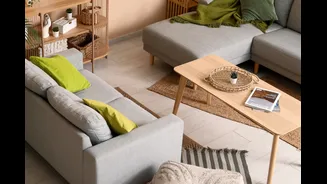
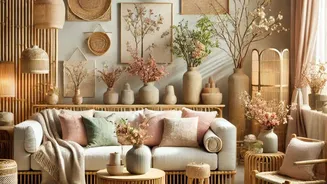
Light colors possess the remarkable ability to reflect more light, thereby making a room feel considerably more open and airy. Opt for shades like off-white, soft beige, pale grey, or muted pastel tones to enhance the sense of space in compact dwellings. This doesn't preclude adding personality; a single accent wall or a textured surface can introduce character without overwhelming the area. The most crucial aspect is maintaining a cohesive palette. Introducing too many colors can disrupt visual continuity, making the space feel smaller. A limited color scheme fosters a sense of calm and a unified aesthetic.
Furniture with Purpose
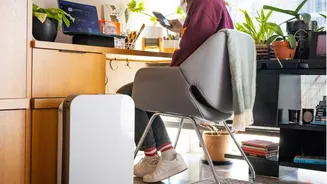
In a limited area like 200 sq ft, each furniture piece should ideally serve multiple functions. Consider items such as beds equipped with storage, dining tables that can be folded away, or sofa beds that transform the space throughout the day. However, the scale of the furniture is often more important than the quantity. Oversized pieces can make even an empty room feel confined. Opting for furniture with slim profiles and raised legs creates visible floor space, contributing to a lighter and more expansive atmosphere. Prioritize pieces that are functional and proportionate to the room's size.
Strategic Decluttering
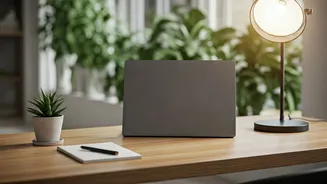
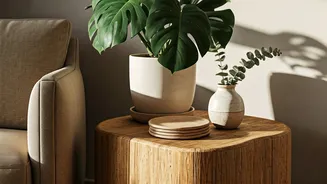
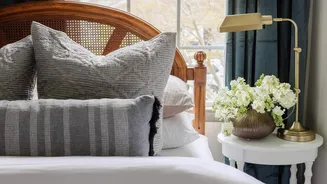
A small home doesn't need to appear bare; it needs to look meticulously organized. Keep surfaces clear and store items out of sight whenever feasible, utilizing storage solutions like baskets, under-bed containers, and hidden compartments. The less visible clutter there is, the more spacious the room will feel. Nevertheless, it's important to retain a few personal touches to add warmth, such as a plant, a framed photograph, or a small piece of art. An entirely devoid space can feel sterile and unwelcoming. A good rule of thumb is to assess each item: if it doesn't add either function or joy, it's likely taking up valuable space.
Illuminate and Reflect
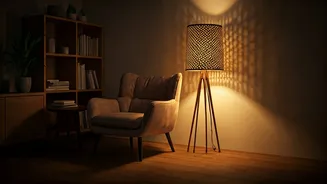
A well-lit environment consistently feels larger than a dimly lit one. Maximize natural light by avoiding obstructions like heavy curtains or furniture placed in front of windows. Strategic use of mirrors can also significantly enhance perceived space. Placing a mirror opposite a window not only reflects light but also extends the visual field, potentially doubling the apparent size of the room. This technique, rooted in both traditional Indian and modern design principles, is highly effective. For evening illumination, layer your lighting sources with a combination of ceiling lights, wall sconces, and floor lamps to create depth and dimension, rather than relying on a single, harsh overhead light.
Vertical Space Utilization
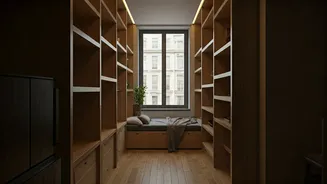
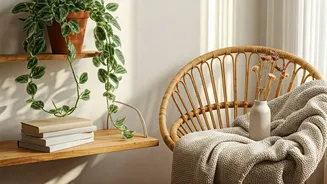
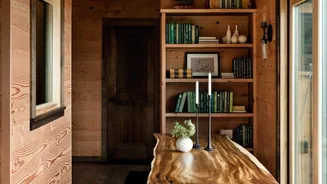
When floor area is at a premium, walls become valuable real estate for storage and display. However, haphazardly filling them can diminish the sense of space. Adopt a layered approach: install open shelves higher up for less frequently used items, while keeping everyday essentials at eye level. This strategy maintains a visually lighter feel in the lower half of the room. Tall shelving units that extend to the ceiling can actually enhance the perception of height, provided they are kept neat and uncluttered. A tidy, organized wall contributes far more to a spacious feel than a messy floor.