






Aggressive Cleansing Damage
Many believe a squeaky-clean face is the key to radiance, but overdoing it with harsh scrubbing, scalding water, or potent chemical exfoliants can be detrimental.
These aggressive methods strip away the skin's essential protective lipid barrier, leaving it vulnerable to dryness and inflammation. This constant irritation significantly speeds up the aging process, leading to a weathered appearance. To protect your skin, opt for gentle cleansers and lukewarm water. Reserve strong chemical exfoliants for limited use, perhaps a couple of times weekly, and always follow up with a nourishing moisturizer designed to reinforce the skin's barrier function.
Sleep Deprivation & Pillows
Insufficient sleep, or poor sleep quality, is a direct pathway to premature aging, manifesting as dark circles and a lackluster complexion. Crucial cellular repair and detoxification processes occur during deep sleep. However, your sleeping posture also plays a critical role. Consistently pressing your face into a pillow can create external pressure, leading to the formation of permanent sleep lines over time. Aim for 7 to 9 hours of quality sleep nightly. If possible, try to train yourself to sleep on your back, or at least invest in a silk pillowcase to minimize friction against your skin throughout the night.
Skipping Daily SPF
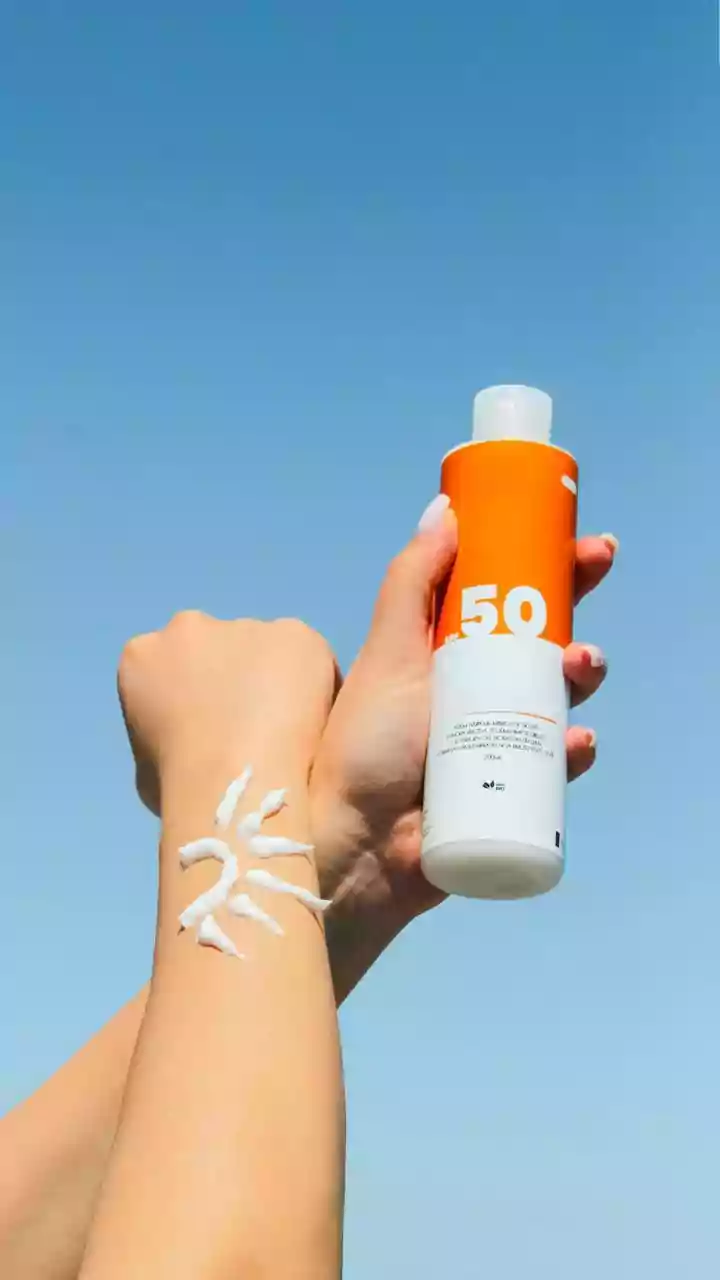
Many mistakenly reserve sunscreen use for sunny days or vacations, overlooking its daily necessity. Ultraviolet (UV) radiation is a primary driver of premature skin aging, with UVA rays being particularly damaging. These rays penetrate deeply, even through clouds and glass, causing cellular damage that breaks down vital collagen and elastin. This degradation results in sagging skin and the formation of wrinkles. To combat this, incorporate a broad-spectrum SPF 30 sunscreen into your morning routine every single day, applying it as you would your regular moisturizer for effortless protection.
Chronic Stress Impact
The modern lifestyle often keeps us in a perpetual state of stress, which has a significant negative impact on our skin's health and appearance. When under stress, the body releases cortisol, a hormone that can hinder the production of collagen and hyaluronan synthase. These are crucial components responsible for maintaining the skin's plumpness and elasticity. Elevated cortisol levels can lead to thinner skin, slower wound healing, and a more rapid onset of visible aging signs like wrinkles. Implementing stress-management techniques such as deep breathing exercises, mindfulness practices, or periodic digital detoxes can effectively lower cortisol levels.
Screen Time & Squinting
The proliferation of digital devices has introduced a new aging factor: High-Energy Visible (HEV) light, commonly known as blue light, emitted from screens. While not carcinogenic like UV rays, HEV light penetrates the skin deeply, contributing to hyperpigmentation and collagen breakdown. Furthermore, the act of reading on screens often leads to unconscious squinting and frowning. These repetitive facial movements can, over time, engrave lines such as '11 lines' between the brows and crow's feet around the eyes. To mitigate these effects, take regular breaks from your devices to rest your eyes, utilize blue-light-filtering screen protectors, and wear sunglasses outdoors to prevent squinting from glare.
Sugary Diet Effects
Indulging in sugary treats and refined carbohydrates can have far-reaching consequences beyond a temporary energy boost, significantly impacting skin aging. Diets high in sugar and processed carbohydrates can trigger a process called glycation. During glycation, sugar molecules attach to proteins and fats within the body, forming Advanced Glycation End-products (AGEs). These AGEs actively degrade collagen and elastin fibers, leading to a loss of skin firmness and the development of a crosshatched pattern of wrinkles. To promote healthier skin, prioritize a diet rich in fresh vegetables, whole grains, and fruits packed with antioxidants, which help combat free radical damage and support new collagen production.