






Automated Hygiene Explained
Self-cleaning toilets present a significant leap forward in bathroom maintenance, promising to alleviate the tiresome task of frequent scrubbing. These
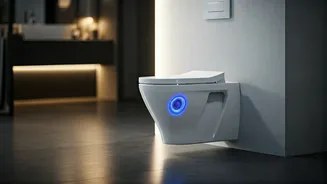
innovative fixtures incorporate advanced technology to maintain a pristine state with minimal user intervention. The core appeal lies in their ability to automate the cleaning process, tackling common issues like stains and odors before they even become noticeable. The mechanisms vary, with some models dispensing cleaning solutions automatically during each flush cycle, ensuring a consistent application of disinfectant. Others employ powerful, high-pressure water jets strategically aimed to cleanse the bowl surfaces thoroughly. A more futuristic approach involves the use of ultraviolet (UV) light, which sanitizes the bowl through its germicidal properties during designated cycles. These systems are designed to operate discreetly in the background, significantly reducing the accumulation of grime that typically necessitates manual cleaning. Furthermore, many of these advanced toilets integrate bidet functions, enhancing personal hygiene while simultaneously reducing reliance on toilet paper, aligning with modern desires for simplified living and improved sanitation.
Eco-Friendly and Healthier
Beyond mere convenience, self-cleaning toilets offer compelling advantages related to environmental impact and personal well-being. In an era where awareness of indoor air quality is paramount, these toilets address concerns about chemical exposure. Frequent use of traditional cleaning products can contribute to the release of volatile organic compounds (VOCs) into the home environment, potentially affecting air quality. By automating cleaning with integrated systems and reducing the need for manual chemical application, self-cleaning toilets help minimize this exposure. This makes them an attractive option for health-conscious individuals and families seeking to create a cleaner and safer indoor living space. Another significant benefit is water conservation. Most models are equipped with dual-flush mechanisms, allowing users to select a lower water volume for liquid waste and a full flush for solid waste. This smart water management not only contributes to environmental sustainability by reducing overall water consumption but can also lead to noticeable savings on water bills over time. The combined effect of reduced chemical use and efficient water management positions these toilets as a forward-thinking choice for both personal health and ecological responsibility.
Installation and Maintenance
While the allure of a self-cleaning toilet is strong, potential buyers must carefully consider the practicalities of installation and ongoing maintenance. Unlike standard toilets, which are relatively straightforward to install, these advanced units integrate complex plumbing and electronic components. This intricate combination often necessitates professional installation to ensure proper functioning and prevent potential long-term issues. Even for those comfortable with DIY projects, the specialized nature of these toilets makes seeking expert assistance a wise decision. Maintenance also requires a different approach. While manual scrubbing is reduced, the self-cleaning system itself needs periodic upkeep. This can involve replacing cleaning fluid cartridges, ensuring batteries are charged or replaced, or maintaining the UV light components as per the manufacturer's guidelines. Neglecting these maintenance tasks can diminish the effectiveness of the automated cleaning system, negating its primary benefits. Therefore, understanding the ongoing care requirements is crucial before committing to a purchase, as failure to maintain the system can lead to performance issues and reduced longevity.
Cost and User Experience
The financial aspect of self-cleaning toilets is a critical factor in the purchasing decision. While the initial investment can vary, more sophisticated models often come with a higher price tag. Beyond the upfront cost, potential buyers should also factor in the ongoing expenses associated with replacement parts and servicing. The long-term economic benefits, such as water savings, may help offset some of these costs over time, but it's essential to have a realistic understanding of the total cost of ownership. User feedback highlights a mixed experience. Many users find the technology incredibly useful, appreciating the significant reduction in manual cleaning effort. However, some have reported challenges such as intermittent cleaning cycles or the frequent need to replace system components. These user-generated insights underscore the importance of thorough research, including reading reviews from other consumers, to select a reliable model. Ultimately, the decision to invest in a self-cleaning toilet hinges on a personal assessment of whether the convenience and advanced features outweigh the complexities of installation, maintenance, and associated costs. It's a trade-off between embracing new technology for a simplified routine and valuing the predictability of traditional systems.