
A Historical Treasure
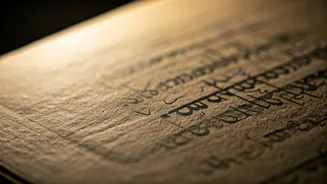
The recent acquisition of a 233-year-old Valmiki Ramayana manuscript by the Ayodhya museum represents an invaluable addition to its collection. This extraordinary
artifact provides a remarkable opportunity to study the cultural heritage and artistic traditions of the era. The manuscript's existence offers valuable insights into the evolution of the Ramayana narrative, revealing textual variations and unique interpretations that may have existed centuries ago. This rare manuscript offers a window into the past, highlighting the significance of preserving such historical documents for future generations. Its presence in the Ayodhya museum ensures the accessibility and preservation of this treasure, offering scholars and visitors a chance to explore its rich history.
Textual Importance and Context
The Valmiki Ramayana manuscript holds significant value due to its contribution to understanding the epic's historical and cultural context. The text is believed to be the earliest version of the Ramayana and is attributed to the sage Valmiki. This manuscript allows researchers to examine the evolution of the story over time, comparing it to other versions and exploring the various regional and cultural influences. Furthermore, it reveals the social, political, and religious climate of the period. By studying the manuscript's language, style, and illustrations, one can gain deeper insights into the beliefs and values of the people who created it. The acquisition of this manuscript provides a valuable resource for scholars, researchers, and anyone interested in delving into the history of the Ramayana.
Why This Script Matters
This specific manuscript's value lies in several factors. First, its age, dating back 233 years, makes it a rare artifact. The age ensures that it carries unique insights into the text. The manuscript's preservation offers a unique opportunity to witness the artistic and literary styles of the time, revealing the craftsmanship and intellectual pursuits of the era. Furthermore, its presence within the Ayodhya museum provides a physical link to the ancient city. It allows people to feel a personal connection to the epic. This manuscript serves as a symbol of cultural identity, preserving the shared heritage of the people. This historic text's presence supports education, and promotes a deeper appreciation of India's rich history.
New Home in Ayodhya
The transfer of the Valmiki Ramayana manuscript to the Ayodhya museum marks a significant moment in the preservation and promotion of Indian cultural heritage. The museum provides a suitable environment to ensure the manuscript's preservation for future generations. Its display within the museum increases its accessibility to the public, offering visitors a chance to study its historical and artistic value. The manuscript's presence in Ayodhya also strengthens the city's role as a center for religious and cultural tourism. The Ayodhya museum will enhance the visitor experience by offering more insight into the rich cultural history of the city. The museum's acquisition of the manuscript is an important step in promoting the values of preserving cultural heritage.