




A Heritage Drape
Actress Rashmika Mandanna marked her 30th birthday with a distinctive celebration in her hometown, Coorg, choosing to wear a traditional Kodava sari. This
choice, as she shared on Instagram, represented a "kinda different" approach to her milestone birthday. The ensemble, a beautiful blush pink Kodava sari, was accessorized with classic gold jewelry, including layered necklaces and bangles, a subtle black bindi, and her hair adorned with a floral wreath. Her decision to don this specific attire was more than just a fashion statement; it was a deliberate embrace of her cultural identity and roots in the Coorg region. The event saw her engage in meaningful activities, such as visiting a temple, her alma mater, and reconnecting with loved ones. This celebration underscored a personal journey of reconnecting with heritage and family, making her birthday a deeply meaningful affair.
Unveiling the Kodava Draping
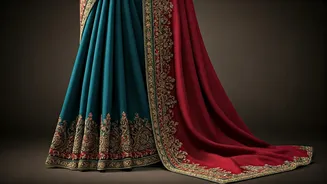
The Kodava sari's draping is distinct from conventional styles, originating from a community known for its warrior heritage. Costume designer Shilpa GNS explained that this unique fold allows for remarkable mobility, a practical feature born from the daily lives and active traditions of Kodava women. Unlike the usual pleats in the front, the Kodava drape features inverted pleats gathered at the back. The pallu, rather than being draped over the shoulder, is brought forward from the back. This functional design was meticulously crafted to ensure ease of movement, whether engaged in household chores, working in the coffee plantations, or participating in festive occasions. This practical elegance highlights how tradition can seamlessly integrate with contemporary life, offering both style and utility without compromise. The sari's design reflects a deep understanding of the wearer's needs and the active lifestyle of the community.
Echoes of Culture and Courage
Shilpa GNS elaborated on the profound cultural significance of Rashmika Mandanna's choice, describing the Kodava sari as a symbol of heritage, memory, and a return to one's roots. She emphasized that the sari is not merely an item of clothing but something inherited, imbued with the essence of Coorg itself – its serene forests, rolling hills, and the indomitable spirit of its people, shaped by land, clan, and courage. The drape embodies a history of women who moved with quiet strength and assurance through their homes and ceremonies, requiring no excessive adornment. The unique style, with its characteristic back pleats and forward pallu, is a direct reflection of the lives led by Kodava women, navigating the challenging terrains of their homeland and upholding cherished customs. What began as a practical necessity evolved into a statement of elegance and identity, intrinsically linked to the movement and daily routines of its wearers.
An Emblem of Belonging
The traditional Kodava attire is notably completed by a fitted blouse, and for formal occasions, a headgear or 'vastra' is often added. Rashmika Mandanna's choice to present herself in this complete Kodava style amplified the resonance of her look, making it more than just an outfit. According to Shilpa GNS, the drape evoked a sense of framing not just by fabric, but by lineage and ancestral connection. It transcended being mere attire, transforming into a visible manifestation of belonging. The ensemble projected an image of poise, restraint, and a deep connection to her heritage. This symbolic representation highlighted how traditional clothing can serve as a powerful medium for expressing identity, pride, and a profound sense of rootedness within one's cultural community, especially on significant personal milestones.