


The Milk Bath Ritual
Ancient civilizations, most notably the Egyptians, revered milk for its cosmetic properties. Queen Cleopatra's legendary bathing routine involved immersing
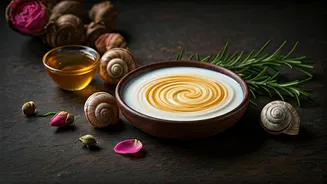
herself in fresh milk, a practice believed to maintain her skin's exceptional smoothness, suppleness, and luminous glow. The secret lies in lactic acid, a natural exfoliant present in milk. This component gently sloughs off dead skin cells, revealing a fresher layer of skin and promoting a radiant complexion over consistent use. This time-honored method highlights how simple, natural ingredients can yield profound results for skin health and appearance, a testament to the wisdom of ancient skincare philosophies.
Lanolin: The Woolly Moisturizer
The Romans utilized a peculiar yet effective ingredient derived from sheep's wool: lanolin. This viscous substance was applied as a potent night moisturizer, designed to fortify the skin's natural barrier and deliver profound hydration. Despite its rather unappealing aroma, lanolin excelled at locking in moisture, safeguarding the skin, and leaving it feeling exceptionally soft and protected. Its efficacy in enhancing skin barrier function and providing deep nourishment made it a prized commodity. Interestingly, lanolin continues to be a valuable component in modern skincare, notably found in lip balms and intensive moisturizing creams, underscoring its enduring benefits.
Honey's Healing Touch
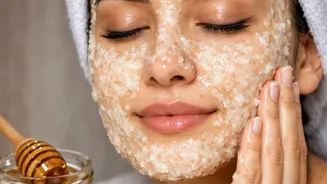
Honey, a natural wonder with a history of use spanning over 15,000 years, was a staple in ancient beauty regimens. Applied directly to the face, it was celebrated for its remarkable moisturizing, healing, and antibacterial qualities, contributing to calmer, clearer, and more hydrated skin. Beyond cosmetic applications, ancient cultures also employed honey to treat wounds, sometimes finding it challenging to remove due to its sticky consistency, which could cause discomfort. However, its potent antimicrobial properties proved invaluable for wound healing, demonstrating its dual role as both a beauty enhancer and a medicinal agent, a testament to its multifaceted benefits.
Snail Slime Facials
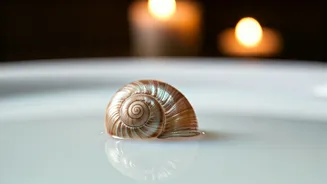
The contemporary trend of snail mucin serums has ancient roots, with historical practices involving the direct application of snail slime to the face. In earlier times, women would permit snails to leisurely traverse their skin. This natural secretion is rich in beneficial compounds such as peptides, antioxidants, and hyaluronic acid. These elements are instrumental in repairing the skin's barrier, providing intense hydration, and offering significant anti-aging advantages. The modern serums refine this ancient method, delivering concentrated benefits without the direct, albeit more potent, application of live snails.
Animal Residues in Beauty
Ancient beauty practices often ventured into less glamorous territory, incorporating a variety of animal-derived ingredients, including excrement, into their skincare routines. Practices varied across cultures, with some utilizing crocodile and cow dung, while others favored goat and camel milk for their nourishing and exfoliating properties. While many of these methods seem extreme by today's standards, they highlight a deep understanding of natural ingredients for skin health. Fortunately, contemporary beauty has largely refined these practices, with milk and honey being the primary animal-derived ingredients still widely used, albeit in more palatable and sophisticated forms.