






Cool Before Freezing
A common misstep when preserving bread is placing it in the freezer while still warm from the oven. This practice introduces moisture, which then turns
into ice crystals during the freezing process. These crystals actively disrupt the bread's internal structure, leading to a dry and crumbly texture upon thawing. Research indicates that the movement of moisture during freezing is a primary culprit behind the staleness and loss of the desirable fresh-baked quality. To circumvent this, it's crucial to allow the bread to cool completely on your countertop before you even consider wrapping it for the freezer. This patience, though seemingly small, is instrumental in preserving the integrity of the loaf's texture and flavor for future enjoyment.
Seal It Right
The effectiveness of your bread's preservation hinges significantly on its packaging. Utilizing non-airtight wrapping exposes the loaf to the freezer's environment, inviting freezer burn – a phenomenon characterized by dry, unappealing surfaces and a compromised flavor. Scientific studies emphasize that packaging's paramount role is to act as a robust barrier against moisture and oxygen. Without this essential defense, food, including bread, undergoes rapid sensory degradation, manifesting as a loss of flavor and an undesirable texture. Therefore, employing a dual-layer approach, such as wrapping the bread first in plastic wrap and then in aluminum foil, or using a heavy-duty freezer bag specifically designed for long-term storage, provides the necessary protection. A secure seal not only prevents freezer burn but also shields your bread from absorbing the disparate flavors of other items within your freezer, ensuring your favorite sourdough doesn't unexpectedly taste like last week's dinner.
Expel All Air
A frequently overlooked yet critical step in freezing bread involves removing as much trapped air as possible from the packaging. Even when using high-quality freezer bags, residual air can lead to oxidation over time. This process negatively impacts the bread's flavor and color, contributing to a stale taste and a less appealing crust. To combat this, make a concerted effort to press out excess air before sealing the bag. For an even more thorough removal, you can even use a straw to suction out the remaining air. This minor effort, taking mere seconds, makes a substantial difference in how well your bread maintains its quality during the weeks it spends in the freezer, ensuring a superior eating experience when you're ready to enjoy it.
Portion Before Freezing
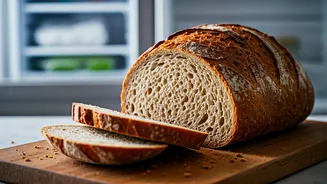
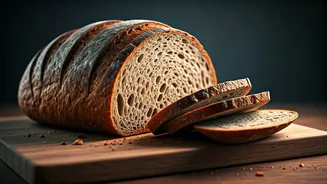
While freezing an entire loaf may seem like an efficient strategy, particularly during large meal preparation sessions, it can ultimately be detrimental to the bread's texture. Large portions tend to freeze unevenly, and these temperature fluctuations can cause moisture to separate in undesirable ways, negatively affecting both taste and texture. By dividing the bread into smaller, more manageable portions before freezing – even if it simply means slicing the loaf – you facilitate faster and more uniform freezing. This results in less damage from ice crystal formation and ultimately yields a better quality product upon thawing. The added convenience is that you can then retrieve only the portion you need for a specific meal, like a slice for morning toast, without compromising the rest of the loaf.
Avoid Refreezing
Once bread has been thawed, attempting to refreeze it is a sure-fire way to compromise its quality, often resulting in a sad, rubbery texture. Each cycle of freezing and thawing renders the bread softer and more susceptible to freezer burn and bacterial degradation. This is precisely why portioning the bread before the initial freeze is so beneficial; it preemptively eliminates the need for refreezing. By planning your portions ahead of time, you ensure that you can thaw only what you intend to consume, thus maintaining the integrity of the remaining bread and avoiding the pitfalls associated with multiple freeze-thaw cycles.
Thaw with Care
The thawing process is as crucial as the freezing itself and is often where consumers inadvertently undo their careful preparation. Leaving frozen bread out on the counter to thaw at room temperature can create an environment conducive to bacterial growth and often results in a soggy, unevenly warmed product. A more effective and safer method is to thaw the bread overnight in the refrigerator. For those days when time is of the essence, utilizing the defrost setting on your microwave can be a viable alternative, ensuring a quicker thaw without sacrificing too much quality.
Bread Type Matters
It's important to recognize that not all bread varieties react to the freezing and thawing process in the same way. Breads with a higher moisture content or delicate crusts tend to lose their quality more rapidly when frozen. Conversely, denser types of bread, such as sourdough or whole wheat loaves, tend to hold up significantly better throughout the freeze-thaw cycle. If you're planning to stock your freezer for extended periods, opting for these sturdier bread options will generally yield more satisfying results when you're ready to enjoy them, ensuring a better texture and flavor profile.