






The Teething Metaphor
The phrase "Parents are the bones on which children cut their teeth" initially strikes as somewhat stark. However, upon deeper reflection, its wisdom becomes
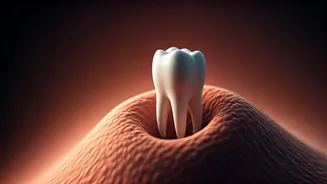
apparent. This analogy vividly captures the essence of how children develop by exploring, challenging, and occasionally causing discomfort to those who provide their foundational support. Consider the analogy of a baby's teething phase: it's a period marked by messiness, discomfort, and a lack of gentleness. Extending this to childhood, children don't solely learn from parental instruction; they gain crucial understanding through their reactions, their questioning, and their inevitable clashes with their caregivers. This dynamic is not indicative of parental failure, but rather a natural and essential part of the developmental journey. It’s in this testing that fundamental learning occurs, shaping their understanding of relationships and the world around them.
Why Home is the Testing Ground
Children often exhibit their most challenging behaviors within the family unit, saving their tantrums, arguments, and boundary-pushing for home rather than strangers. This can feel intensely personal, but it stems from a profound sense of safety. Home represents the most secure environment a child knows, and parents are perceived as the unyielding 'bones' – stable, ever-present, and resilient. Consequently, children feel empowered to lean on this foundation, to test its limits, and to learn about the world through their interactions with it. While this can undoubtedly be an exhausting experience for parents, leading to moments where it feels like communication has broken down, it is during these 'messy' periods that crucial character development takes place. Children are learning to recognize and process emotions like anger, experience the healing power of forgiveness, understand their own capabilities, and identify the boundaries that define acceptable behavior.
Subtle Lessons Learned
Beyond overt lessons, children absorb a wealth of subtle, everyday observations from their parents. They internalize how their parents manage stress, the tone of voice used when fatigued, and the methods employed to cope with disappointment. Therefore, when a child exhibits challenging behavior, such as lashing out or withdrawing, and a parent responds with an effort towards patience, a powerful message is conveyed. This isn't about demonstrating perfect composure, but rather the strength found in making a concerted effort. Such demonstrations leave a lasting impact. Conversely, harsh words, continuous criticism, or complete withdrawal of affection can shape a child just as profoundly. The challenging aspect of this concept is realizing that being the 'bones' requires not only strength but also being a tangible presence that can be felt. Every interaction, every reaction, leaves an indelible mark on a child's development.
Embracing Imperfection
There's an immense societal pressure on parents to embody unwavering calm, profound wisdom, and infinite patience. However, the reality of parenting is far removed from this idealized image. Parents, like all humans, experience moments of losing their temper, uttering regrettable words, or succumbing to exhaustion. Children witness these imperfections. Yet, this exposure can be beneficial, as it also allows children to observe the aftermath. The critical lessons emerge from observing whether parents apologize, offer explanations, or commit to trying again. The true learning lies not in the absence of mistakes, but in the ability to acknowledge and effectively manage them, demonstrating a valuable model for resilience and accountability.
Mutual Growth Through Challenges
This dynamic of children 'cutting their teeth' on their parents extends beyond the child's development; it is also a significant catalyst for parental growth. Parents often discover reserves of patience they never knew they possessed. They are confronted with aspects of their own personalities that they might prefer to overlook. This process inevitably leads to personal evolution, frequently in ways that can be uncomfortable. Thus, while children undoubtedly test, push against, and shape themselves using their parents as a reference point, parents are simultaneously being molded by these interactions. The journey may not always be smooth or aesthetically pleasing, but its authenticity makes it incredibly meaningful and formative for everyone involved.