






The Heat Trapping Problem
As summer intensifies, homes often transform into ovens, trapping heat absorbed by the roof. Standard ceiling fans offer limited relief, while air conditioners,
though effective, burden households with significant electricity costs and environmental repercussions. Fortunately, a time-tested, nature-aligned approach exists to combat this pervasive issue, offering a comfortable indoor environment without the downsides of modern cooling systems. This traditional method leverages natural principles to create a cooler living space, proving that simple solutions can be remarkably powerful against the heat.
Clay Pot Roofing Explained
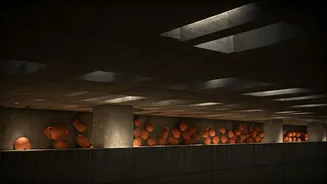
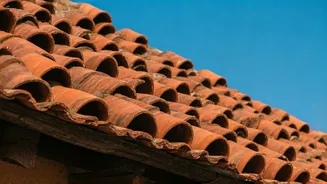
Clay pot roofing is an ingenious component of the filling slab construction process. In this method, inverted clay pots are strategically placed within the roof structure before being covered with concrete. Unlike monolithic concrete slabs, this technique creates voids within the roof, significantly reducing its overall weight while maintaining robust structural integrity. These embedded air pockets are the key to its insulating prowess, making the roof both strong and exceptionally efficient at regulating temperature. This innovative approach offers a lightweight yet durable alternative to conventional concrete slabs.
Cooling Mechanism Unveiled
The cooling efficacy of clay pot roofs hinges on a fundamental scientific principle: air is a poor conductor of heat. The air chambers meticulously created by the inverted clay pots act as a barrier, substantially delaying the transfer of solar heat from the roof's surface into the building's interior. Furthermore, the inherent properties of clay itself mean it absorbs less heat compared to concrete. This dual action – insulation by air gaps and the low heat absorption of clay – results in a noticeably lower indoor temperature than that experienced with conventional roofing materials, providing a naturally cool environment.
Cost-Effective Construction
Beyond its cooling capabilities, the clay pot roofing system presents a compellingly economical choice for construction. Clay pots are readily available and remarkably inexpensive, contributing to a reduced overall material cost. By substituting a portion of the concrete typically used in roofing with these humble earthenware vessels, the demand for pricier building materials is lessened. Research indicates that this construction method ensures structural soundness while simultaneously slashing building expenses. This also translates into savings on labour and energy costs associated with installation and use, making it a financially astute decision.
Environmental Advantages
Adopting clay pot roofs offers significant environmental benefits, aligning with sustainable building practices. A primary advantage is the reduced reliance on energy-guzzling air conditioning systems, leading to a decrease in overall energy consumption and consequently, lower greenhouse gas emissions. Moreover, the diminished need for concrete directly impacts the environment positively. Cement production is a major contributor to pollution, so reducing its usage through this method helps mitigate associated environmental damage. It’s a conscious choice that benefits both the homeowner and the planet.
Year-Round Comfort
While its prowess in combating summer heat is undeniable, the clay pot roof system offers advantages throughout the year. The very air spaces that serve to block heat ingress during warmer months also play a crucial role in retaining warmth indoors when temperatures drop. This thermal regulation ensures a more stable and comfortable interior climate, reducing the need for both air conditioning in the summer and heating in the winter. It's a holistic approach to creating a comfortable living environment that minimizes energy expenditure across all seasons.
Resurgence of Traditional Design
In contemporary architecture, concrete's heat-retaining properties often contribute to uncomfortably warm interiors. Traditional building designs, however, thoughtfully incorporated climatic considerations. With escalating global temperatures and a growing emphasis on sustainability, ancient techniques like clay pot roofing are experiencing a well-deserved revival. This method powerfully demonstrates that effective solutions don't necessitate complex technology. The synergy of indigenous knowledge and sound engineering delivers a straightforward answer to reducing indoor temperatures and enhancing building efficiency. As energy costs and heat levels continue to rise, such intelligent, eco-friendly solutions are not just beneficial, but essential.