

Til Ladoo Delights
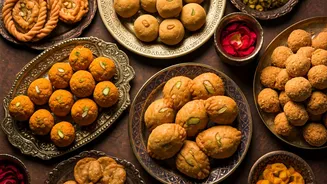
Til Ladoo, the quintessential sweet, is a must-have for Makar Sankranti. These round, bite-sized treats are made from sesame seeds (til) and jaggery (gur),
embodying the warmth and sweetness of the sun. The combination of til and gur is believed to be beneficial in the winter months, offering warmth and energy. The preparation varies slightly across regions, sometimes including peanuts, dry fruits, or cardamom for added flavor. Making Til Ladoo is also a community activity, often prepared in large batches to share with family and friends. The act of eating Til Ladoo is symbolic; it's a reminder to spread sweetness and goodwill throughout the year. As the sun begins its northward journey, Til Ladoo welcomes the beginning of brighter days.
Gur ki Gajak
Gur ki Gajak is a crispy, brittle sweet often enjoyed alongside Til Ladoo. It's made primarily from sesame seeds and jaggery, similar to Til Ladoo, but the preparation method results in a different texture and experience. Gajak is typically a flat, hard candy that is broken into smaller pieces. The jaggery provides a rich, caramel-like flavor, while the sesame seeds add a nutty crunch. The best Gajak comes from the Northern states of India, especially Rajasthan. The process of making Gajak often involves spreading the jaggery and sesame seed mixture on a flat surface, then allowing it to cool and harden before breaking it into pieces. Gajak is considered a comforting and satisfying treat during the winter months, perfect for sharing and enjoying the festivities.
Undhiyu's Savory Charm
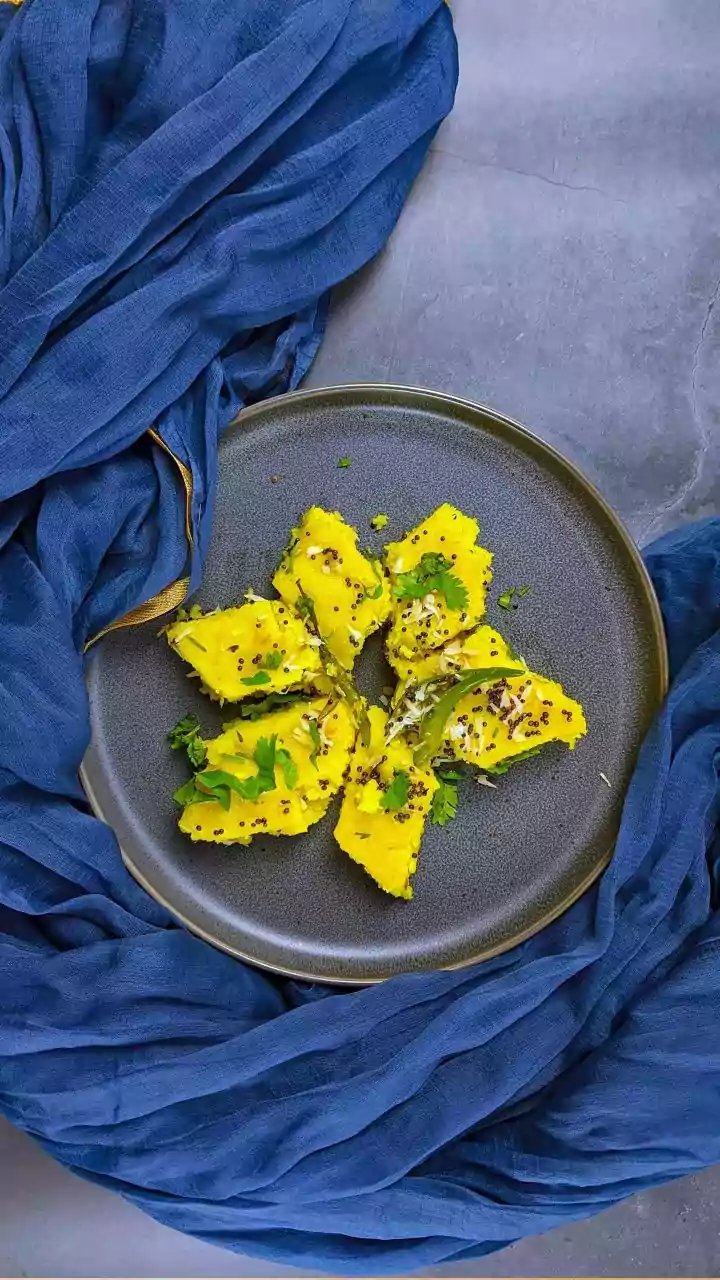
Undhiyu is a Gujarati mixed vegetable dish, a Makar Sankranti staple known for its unique cooking method. The vegetables, including root vegetables, beans, and spinach, are slow-cooked in earthen pots (matkas), underground, giving it its name 'undhu', meaning upside down. This slow cooking infuses the vegetables with a rich, earthy flavor and retains their natural goodness. Undhiyu is often seasoned with a blend of spices and a dash of green chilies, enhancing the flavors. The dish often includes muthiyas, small dumplings made from besan (gram flour) and spices. Eating Undhiyu is a communal affair, often prepared in large quantities to share with the neighborhood. Served hot, it is a hearty dish that brings warmth and flavor to the cold winter season.
Pongal's Festive Spirit
Pongal, a South Indian dish, takes center stage during Makar Sankranti celebrations in the southern states. This dish is made from freshly harvested rice, cooked with milk, jaggery, and sometimes lentils. The cooking of Pongal is a ceremonial event, often performed outdoors, symbolizing abundance and prosperity. The dish's name also coincides with the festival itself: as the rice boils over, it is considered auspicious, representing overflowing joy and good fortune. Different variations of Pongal exist, including sweet Pongal (chakkarai pongal), and savory Pongal (ven pongal). The aroma of Pongal cooking fills the air, creating a warm, festive atmosphere. Offering Pongal to the gods is considered a blessing for the household and a sign of respect for the harvest season.
Dal Bafla's Heartiness
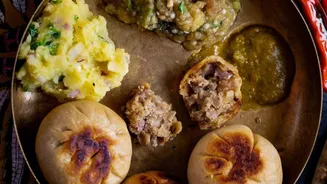
Originating from Madhya Pradesh, Dal Bafla is a wholesome combination perfect for Makar Sankranti. Baflas are essentially wheat flour dumplings that are baked or fried to a golden-brown crisp. They're typically submerged in ghee and served alongside a lentil soup (dal) and various chutneys. The Baflas provide a hearty base, while the dal offers a nourishing complement. The dish reflects the rustic charm and rich culinary heritage of the region. Preparing Dal Bafla requires patience and skill to achieve the perfect texture. This dish is perfect to share with friends and family during festive times and create a warm, inviting atmosphere. The richness of ghee infuses the Baflas with flavor and complements the heartiness of the lentil soup.
Chikki's Crunchy Delight
Chikki, a popular sweet, is made from peanuts and jaggery, creating a delightful crunchy snack. Available in various flavors, from simple peanut chikki to ones with sesame seeds, puffed rice, or dry fruits, Chikki is an easy-to-carry and enjoy treat. Chikki is a popular snack during winter, offering warmth and energy. The making of chikki, like Gajak, often involves spreading the mixture on a flat surface and cutting it into pieces. Each bite of chikki carries the sweetness of jaggery combined with the earthiness of peanuts or other ingredients. Chikkis are often sold at markets during Makar Sankranti, making them accessible to all. Chikkis are a quintessential Makar Sankranti treat.
Kheer's Creamy Indulgence
Kheer, a creamy rice pudding, is a beloved dessert across India and is a common feature on festive occasions. Made with rice, milk, sugar, and flavored with cardamom, saffron, and nuts, kheer symbolizes prosperity and happiness. The slow cooking process allows the rice to meld with the milk, creating a rich and creamy texture. Every region has its own variations, with some adding condensed milk, coconut milk, or different types of rice. Kheer is frequently served warm or cold. The comforting flavor of Kheer makes it perfect for sharing during family gatherings, where people celebrate together. The aroma of cardamom and saffron perfumes the atmosphere with warmth and love. The preparation of kheer is a labor of love that is central to celebrations like Makar Sankranti.
Puran Poli's Sweet Bread
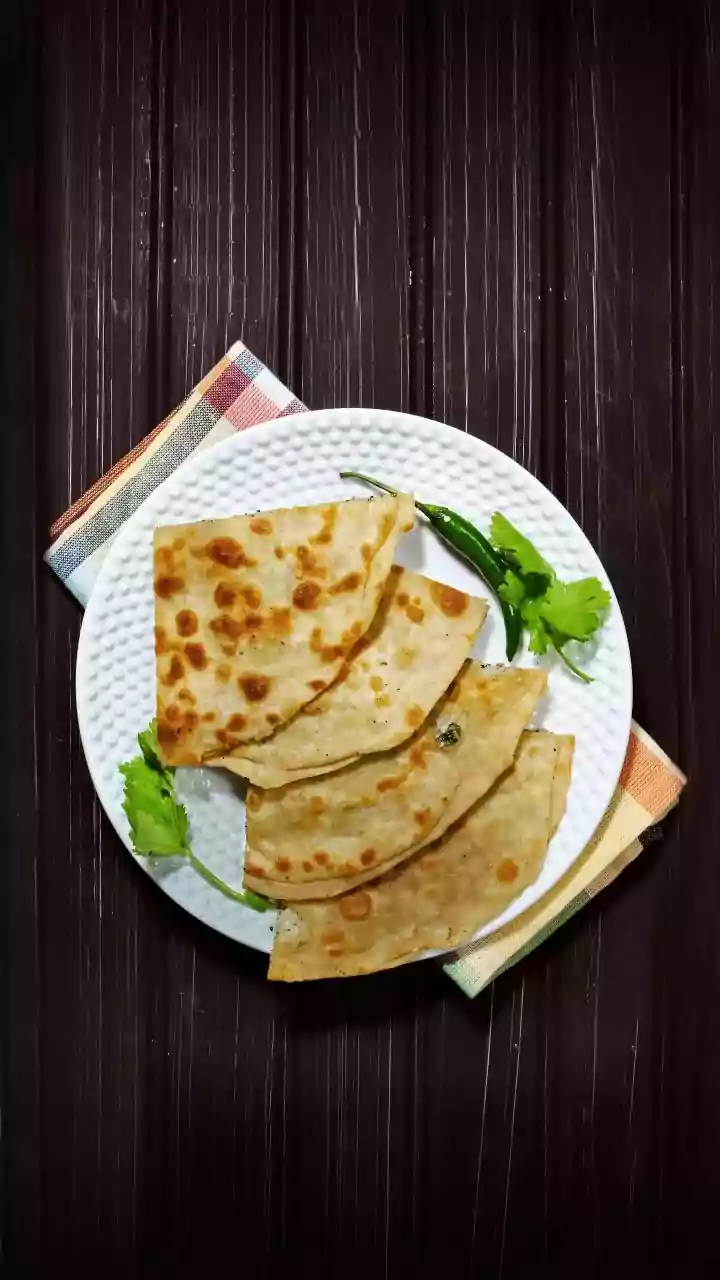
Puran Poli is a sweet flatbread popular in Maharashtra, typically made with a stuffing of chana dal (split chickpeas), jaggery, and spices. The filling is cooked to a soft consistency and then stuffed into a dough made from maida (refined flour). The bread is then rolled out and cooked on a griddle with ghee. The blend of sweet stuffing and soft bread provides a comforting taste. Puran Poli is often enjoyed with a dollop of ghee and a glass of milk or a simple dal. This dish is prepared with great care, as the consistency of the filling and dough must be perfect for the Poli to be delicious. Making Puran Poli is a skill often passed down through generations. Puran Poli is a true festive treat.
Gujarati Undhiyu Variations
Gujarati households often experiment with variations of Undhiyu. Some add a variety of seasonal vegetables and spices, making it a versatile dish. The key ingredients of Undhiyu remain the same, but different households can modify the types of vegetables and masalas they use. The addition of seasonal vegetables makes each Undhiyu unique. Some cooks add other ingredients like potatoes, eggplants, beans, and spinach. This practice creates a vibrant and varied cuisine. The diverse ingredients add texture and flavors. Different families and regions add their own variations, adding different types of spices that create distinct tastes. Gujarati Undhiyu is an excellent example of the rich Indian regional cuisine.
Dahi Chura Delight
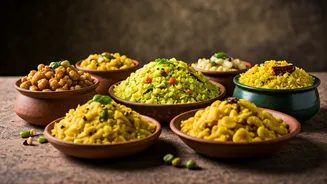
Dahi Chura is a simple yet satisfying dish often enjoyed during the winter months and, by extension, on Makar Sankranti. The dish primarily combines flattened rice (chura) with yogurt (dahi), and often seasoned with sugar and a hint of salt. It is a light yet filling dish, providing a contrast to the heavier sweets and rich dishes typically enjoyed during the festival. It is a refreshing counterpoint to richer sweets. Making Dahi Chura is quick and easy. This dish demonstrates the balance of simple flavors and is perfect for all age groups. Dahi Chura is a delightful way to balance the richness of other dishes.