



The Millet Renaissance
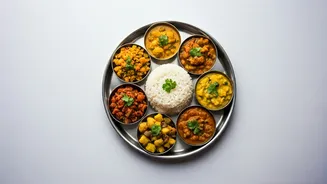
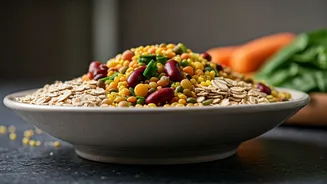
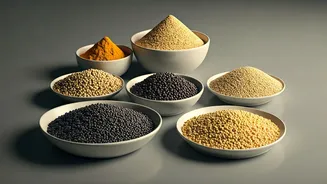
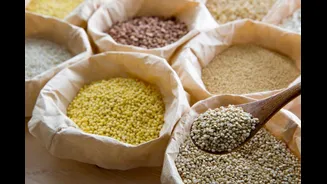
Long before they were lauded as 'supergrains,' millets like bajra, jowar, and ragi were the bedrock of daily Indian meals, forming hearty rotis and filling
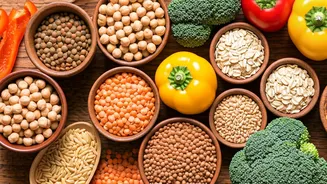
porridges. These nutrient-dense grains kept generations energized, but were later overshadowed by refined grains. Today, their high fiber content, mineral richness, and slow impact on blood sugar are driving their resurgence. Millets are no longer a dietary afterthought but are celebrated as a superior, more balanced grain choice, fulfilling a growing desire for wholesome nutrition.
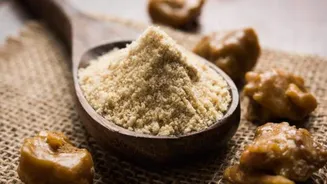
Jaggery's Sweet Return
Before the ubiquity of refined sugar, jaggery was the primary sweetener in Indian households, lending its rich, nuanced flavor to everything from warm milk to festive sweets. Its traditional use for warmth and energy during winters is now echoed by a modern pursuit of natural alternatives to processed sugars. Jaggery's deep, earthy taste and its connection to familiar, wholesome recipes appeal to those seeking sweetness that feels less artificial and more deeply rooted in tradition. This resurgence reflects a yearning for less industrialized, more familiar flavors.
Curd: Gut Health's Foundation
Curd, or dahi, was never a fleeting trend in Indian kitchens; it was an indispensable daily component. Served with meals, incorporated into cooling chaas, or simply enjoyed on its own, its presence was a given, valued for its familiarity and effectiveness. Now, curd is recognized and promoted for its probiotic benefits, essential for gut health and immunity. While the scientific validation is a recent phenomenon, the practice of relying on curd for digestion and well-being has been a constant, proving that some foods need no reinvention, only re-appreciation.
Makhana: From Staple to Snack
Fox nuts, or makhana, once occupied a modest space in Indian food culture, primarily consumed during religious fasts or as a lightly roasted snack. Stored conventionally in pantries, they were a simple, light, and easily digestible option for evening tea or casual munching. Their modern transformation into a premium, packaged snack, marketed for its high protein and low-fat content, is almost amusing. Yet, makhana's inherent lightness and adaptability as a versatile snack food explain its enduring appeal and successful reintroduction to contemporary diets.
Ghee: Nourishment Reclaimed
Ghee, clarified butter, was a fundamental element of Indian cooking for generations, generously used in everyday dishes like rotis, dals, and rice, and in preparing traditional sweets. Its role was never seen as indulgent but as a source of essential nourishment, comfort, and strength. After a period of being viewed with suspicion due to evolving dietary advice, ghee is now embraced again, valued for its flavor, ability to provide satiety, and its connection to culinary heritage. Its comeback signifies a broader trend of valuing foods that offer both functional benefits and emotional grounding.
Fermented Foods' Global Rise
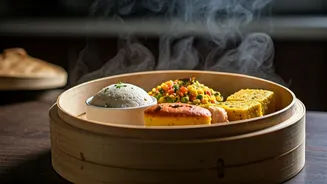
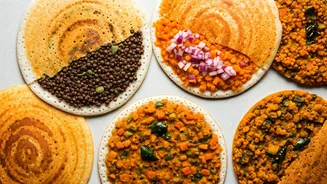
Long before the term 'microbiome' entered popular discourse, Indian kitchens were adept at fermentation, producing staples like idlis, dosas, dhokla, and kanji. These were practical, seasonal preparations rooted in time-honored household knowledge, not conceived as wellness products. Today, fermented foods are globally celebrated for their digestive and gut-balancing properties. In India, however, fermentation has always been an integral and ordinary part of culinary life, demonstrating how ancient practices often align with modern health trends.
Chutneys and Spices: Flavor & Function
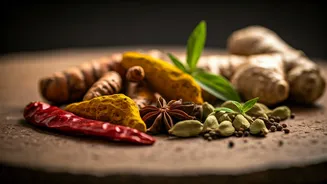
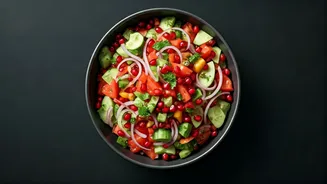
Indian grandparents didn't view chutneys as mere accompaniments; they were crucial elements that added zest, freshness, and depth to meals. Likewise, spices like ajwain, jeera, methi, turmeric, and black pepper were fundamental for taste and digestive support, not just garnishes. Contemporary food culture is now recognizing the dual role of these components, celebrating how they enhance simple dishes and contribute to well-being. This rediscovery highlights the wisdom of traditional Indian kitchens, where flavor and health were intrinsically linked.