




Apple's Nutritional Powerhouse
A medium apple, weighing approximately 182 grams, offers a modest 94 calories, primarily from its 25.1 grams of carbohydrates. Within these carbs, there
are about 18.9 grams of natural sugars and a beneficial 4.37 grams of dietary fiber, crucial for digestive health. It also provides a small amount of protein, at 0.473 grams, along with 4.6 milligrams of vitamin C and 107 milligrams of potassium. Beyond these core nutrients, apples are celebrated for their rich antioxidant content, including compounds like quercetin, catechin, phloridzin, and chlorogenic acid. These powerful antioxidants are believed to play a role in protecting cells from damage, potentially reducing the risk of chronic ailments such as cardiovascular disease, asthma, and diabetes. Epidemiological studies suggest a link between regular apple consumption and a lower incidence of certain cancers. Furthermore, apples are known for their low-calorie profile, making them an excellent snack for those managing their weight, and their fiber aids in digestion, contributing to overall well-being.
Banana's Energetic Boost
Bananas are widely recognized for their significant potassium content, a mineral vital for maintaining optimal heart function, regulating blood pressure effectively, and supporting proper muscle activity. The natural sugars and carbohydrates present in bananas deliver an immediate surge of energy, positioning them as an ideal option for a morning meal or a pre-exercise snack. Their contribution of vitamin B6 is essential for brain health and can assist in mood regulation by fostering the production of serotonin. Moreover, bananas are packed with antioxidants that help shield the body's cells from oxidative stress and contribute to maintaining hydration levels. A ripe banana (100 grams) typically contains around 89 calories, minimal fat (0.33g), no cholesterol or sodium, 22.80 grams of total carbohydrates with 2.60 grams of dietary fiber, and 1.09 grams of protein. Significantly, they offer a substantial 358 milligrams of potassium per 100 grams. The banana peel itself is also a source of fiber, protein, and beneficial compounds like polyphenols.
Nutritional Comparison & Strengths
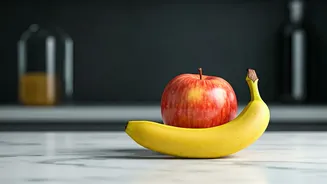
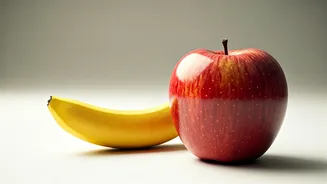
When placed side-by-side, both apples and bananas showcase distinct nutritional advantages. Apples stand out with higher fiber content and a more potent array of antioxidants, which are beneficial for long-term health and digestive processes. Conversely, bananas are a superior source of quick energy and potassium, making them particularly advantageous for individuals with active lifestyles. In terms of calorie density, bananas are slightly more energy-rich, whereas apples are lighter and contribute more to hydration. This means apples might be a preferable choice for calorie-conscious individuals, while bananas serve as an excellent source for immediate energy replenishment. Both fruits are remarkably versatile in the kitchen, lending themselves beautifully to a wide range of sweet preparations, from refreshing shakes and smoothies to creamy ice creams and comforting puddings.
Smart Ways to Enjoy
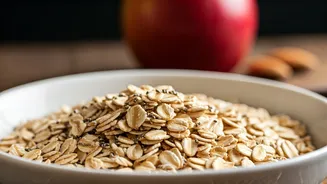
Enhancing your diet with apples can be done in numerous delicious ways. Try an 'Apple Cinnamon Oatmeal Bake' by combining chopped apples with oats, cinnamon, milk, and a hint of honey before baking for a hearty breakfast. For a refreshing and healthy option, prepare an 'Apple and Carrot Salad' by grating both ingredients and tossing them with lemon juice, a pinch of salt, and either yogurt or olive oil. A simple yet satisfying dessert can be made with a 'Baked Apple Dessert'; core apples, fill them with nuts, raisins, and cinnamon, then bake until tender for a naturally sweet treat. On the other hand, bananas offer equally delightful culinary possibilities. Elevate your toast with 'Banana Peanut Butter Toast' by topping it with fresh banana slices after spreading peanut butter. A classic 'Banana Shake' is made by blending bananas with milk, vanilla extract, and your preferred sweetener. For a wholesome breakfast, create 'Banana Oats Pudding' by soaking oats in curd overnight, then topping the next morning with sliced bananas, berries, honey, and a sprinkle of nuts and seeds.
Daily Consumption Guidelines
Both apples and bananas can be safely incorporated into your daily diet as part of a balanced eating plan, according to nutritionists. The optimal quantity for each individual hinges on their specific dietary needs, activity levels, and health objectives. If your primary goals involve enhancing digestion, managing your weight effectively, or increasing your intake of antioxidants to combat cellular damage, incorporating an apple into your daily routine is an excellent strategy. Conversely, for individuals who are athletes or require a consistent source of readily available energy to fuel their physical activities, bananas present a superb choice. The decision between prioritizing apples or bananas daily, or consuming both, should be guided by your personal health aspirations and how each fruit contributes to your overall nutritional intake and energy requirements throughout the day.