





Hidden Fire Risk
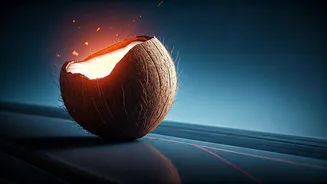
Coconuts, particularly when dried into copra, present a significant fire hazard in the confined environment of an aircraft. Their high oil content makes
them inherently flammable. Under specific conditions, such as exposure to sparks or elevated temperatures within the aircraft's cargo or cabin areas, this oil can ignite. International aviation safety standards, like those from IATA, classify materials that are flammable or capable of self-heating as restricted. Dried coconut fits this description due to its oily nature, necessitating its prohibition to uphold the strict precautionary principles of aviation safety, which prioritize prevention over reaction to potential threats.
Self-Heating Potential
Beyond simple flammability, dried coconuts also possess a peculiar characteristic: the potential for self-heating. This phenomenon arises from the chemical reactions initiated by their rich oil content. In certain circumstances, these slow chemical processes can generate internal heat, potentially leading to combustion. This self-heating capability is a critical factor that places dried coconut on the list of dangerous materials according to air travel guidelines, further reinforcing the need for its restriction to ensure flight safety and prevent unexpected incidents.
Pressure and Cracking
Another less commonly known concern regarding coconuts on flights relates to the effects of air pressure changes during ascent and descent. The interior of a coconut contains both liquid and air pockets, which can be susceptible to fluctuations in atmospheric pressure. As the aircraft gains or loses altitude, the differing pressure levels could theoretically cause the coconut's shell to crack or leak. While a minor leak might seem inconsequential, any unexpected discharge of its contents could create complications and potential hazards within the pressurized cabin or cargo hold, prompting authorities to err on the side of caution.
Scanning Difficulties
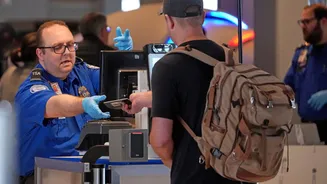
Airport security procedures heavily rely on advanced X-ray scanning technology to identify potential threats. However, the dense and hard outer shell of a coconut presents a challenge for these scanners. The shell's composition can obstruct a clear view of the contents within, making it difficult for security personnel to definitively ascertain whether the item is safe or poses a risk. In high-security environments like airports, any item that cannot be easily and clearly scanned may be deemed prohibited to avoid any ambiguity or potential for concealed dangerous materials.
Physical Hazard Concerns
While chemical hazards are a primary concern, coconuts also pose a physical risk. Being solid and relatively heavy, a loose coconut in an airplane cabin or cargo hold could become a projectile during unexpected turbulence. If its position shifts suddenly, the hard shell could cause damage to the aircraft interior or even injure passengers or crew. Although not the principal reason for their ban, this potential for becoming a dangerous physical object adds another layer of consideration for aviation authorities when assessing passenger items.
Exceptions and Advice
While carrying whole coconuts, whether in cabin or checked baggage, is generally prohibited, some airlines may permit them if cut into smaller pieces and packed securely in checked luggage. However, dried copra remains strictly forbidden in all forms. Given the complexities and potential risks involved, the most advisable course of action for travelers is to avoid bringing coconuts on flights altogether to prevent any inconvenience or potential safety issues during their journey.