






Circulatory System Awakens
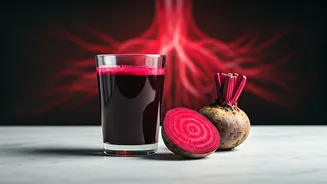
In the initial couple of days of daily beetroot juice consumption, the primary impact is observed in the cardiovascular system. Beetroot is abundant in dietary
nitrates, which, once ingested, are converted into nitric oxide. This crucial compound plays a vital role in vasodilation, essentially causing blood vessels to expand. This immediate widening effect leads to an enhanced flow of blood throughout the body. Some individuals might begin to notice a slight reduction in blood pressure or experience a sensation of warmth and ease during physical activities. A notable clinical study indicated that consistent intake of beetroot juice over a seven-day period led to a reduction in systolic blood pressure ranging from 5 to 10 mmHg. While this numerical decrease might seem modest, in a medical context, it signifies a meaningful improvement in circulatory health.
Stamina Starts Shifting
As the week progresses towards the middle, the benefits extend beyond the circulatory system to impact muscular performance. The enhanced blood flow means that oxygen is transported more efficiently to the muscles. This improved oxygen delivery allows muscles to utilize oxygen with greater efficacy, thereby delaying the onset of fatigue. Experts highlight that the increase in nitric oxide levels aids in delivering more oxygen to muscles, a key factor in extending endurance. Research has demonstrated that participants consuming beetroot juice exhibited the ability to engage in exercise for longer durations and at a higher intensity. While this doesn't instantly transform an individual into an elite athlete, it can certainly make daily physical tasks feel less demanding.
Inflammation Begins Easing
By approximately the fifth day of consistent beetroot juice intake, more profound internal changes begin to manifest. Beetroot is a rich source of betalains, which are natural pigments possessing potent antioxidant capabilities. These compounds are instrumental in mitigating oxidative stress, a process frequently associated with the development of chronic inflammation. Scientific studies have provided evidence that regular consumption of beetroot has led to a decrease in C-reactive protein (CRP), a significant biomarker for inflammation. While a reduction in inflammation might not always be immediately perceptible in terms of symptoms, it quietly contributes to better heart health, improved joint comfort, and the maintenance of long-term metabolic equilibrium.
Liver Gets a Boost
Moving towards the end of the first week, specifically around the sixth day, the liver begins to exhibit subtle signs of improvement. The beneficial compounds found in beetroot can support the body's natural detoxification processes. They achieve this by enhancing the production of glutathione, a powerful antioxidant that assists the liver in metabolizing and processing various toxins more effectively. It is important to understand that beetroot juice does not offer an immediate 'detox' solution. Instead, it acts as a supportive agent, augmenting the liver's inherent capacity to perform its essential functions with greater efficiency and ease.
Brain and Gut Benefits
By the conclusion of the seven-day period, two additional critical bodily systems start to reap the rewards: the brain and the digestive tract. The improved blood circulation doesn't solely benefit peripheral organs; it also extends to the brain. Studies have indicated an increase in blood flow to specific brain regions associated with executive functions like decision-making and memory recall. Concurrently, the dietary fiber present in beetroot plays a supportive role for the beneficial bacteria residing in the gut, such as lactobacillus and bifidobacterium. These collective changes might become apparent as enhanced digestive regularity or a discernible improvement in mental clarity and focus.
A Note of Caution
While beetroot juice offers numerous potential health advantages, it's crucial to acknowledge that it may not be suitable for everyone. Individuals who are prone to developing kidney stones are advised to exercise caution due to the oxalate content found in beetroot. Furthermore, those currently undergoing treatment for high blood pressure and taking prescribed medication should be aware that beetroot juice might amplify the effects of their medication. Before making beetroot juice a regular part of your daily diet, it is always a prudent decision to consult with a healthcare professional to ensure it aligns with your individual health profile and any existing medical conditions.