
Sculptural Silhouettes Take Center Stage
Indian fashion is currently embracing a powerful artistic movement, where clothing transcends mere garments to become wearable sculptures. Designers are
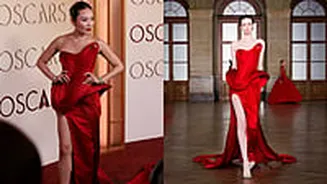
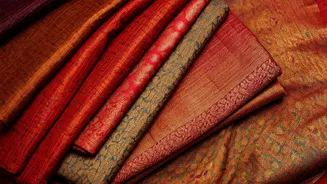
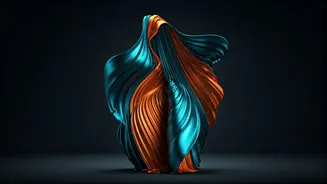
moving beyond traditional drapes to explore the architectural potential of textiles, manipulating proportions and forms to create pieces that redefine the human silhouette. This trend is evident in the use of innovative materials and techniques, such as 3D modeling to craft aluminium dresses or intricate fabric manipulations that evoke the feel of carved elements. The focus has shifted from nostalgic draping to highlighting the inherent qualities of fabrics, allowing for ambitious experimentation. This approach transforms garments into three-dimensional art pieces, pushing the boundaries of design and challenging perceptions of what clothing can be. It's a deliberate artistic interpretation, where the garment itself becomes a statement of sculptural intent, reflecting a deeper engagement with form and material.
The Evolved Sari Gown
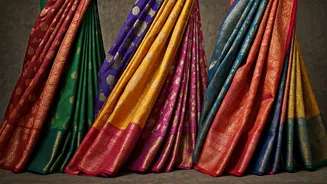
The sari gown continues its reign as a symbol of modern Indian elegance, evolving significantly from its earlier iterations. What began as a pre-draped sari to simplify the wearing process has now transformed into a streamlined, gown-like silhouette, effortlessly combining the grace of the sari with the ease of a dress. Designers are pushing this concept further, using the traditional sari drape as a foundational element for personal design expressions. This allows for innovative interpretations, where the silhouette is adapted in unique ways, offering new forms of personal style. The sari gown is no longer confined to traditional occasions; its adaptable nature allows it to transcend events, making it suitable for a wider range of settings. Its continued prominence signifies its enduring appeal and its successful integration into contemporary wardrobes, showcasing the versatility of Indian traditional wear in a modern context.
Inclusivity's Stalled Momentum
While there was a significant surge of inclusive representation on Indian runways a few years ago, featuring plus-size and LGBTQIA+ models, this momentum appears to have plateaued. Designers and agencies are noting a stagnation in the progress of diverse representation, with past landmark moments becoming the go-to examples rather than a consistent trend. The initial excitement for inclusivity, which felt like a cultural shift, has seemingly lost its pace. This stagnation is noticeable not only in the representation of different body types but also in the visibility of transgender individuals in mainstream fashion. Despite a decade passing since the debut of a notable trans model, the pipeline into wider fashion spaces remains limited. This pause suggests that while inclusivity made a bold entrance, its sustained integration into the industry's fabric has encountered challenges, requiring renewed efforts to ensure continued progress.
Transcending Gendered Apparel
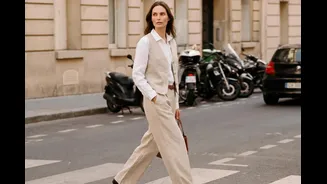
A notable shift in Indian fashion is the increasing creation of clothing that deliberately transcends traditional gender binaries, even if not always consciously presented through runway casting. Designers are crafting pieces that appeal to a broader audience, irrespective of gender. This is seen in the move towards draped skirts replacing trousers for a 'modern Indian dandy' and the prevalence of gender-free shackets. Many designers are now creating collections where a significant percentage of their offerings inherently possess gender-neutral qualities. The philosophy behind this trend emphasizes that genderless design doesn't necessitate oversized or shapeless garments. Instead, it focuses on the inherent feeling and essence of the garment, prioritizing its communicative power over rigid structural definitions. This approach allows for sophisticated and expressive clothing that celebrates individuality beyond conventional gender norms.
Experiences Beyond the Runway
The traditional fashion week format is evolving as brands increasingly seek more intimate and engaging ways to connect with their audience and buyers. Instead of solely relying on runway shows, many designers are now orchestrating unique, bespoke events. These often take the form of immersive experiences, such as curated dinners or exclusive exhibitions, designed to foster deeper, two-way communication. Brands recognize that fashion shows, while impactful, are fleeting, lasting only a few minutes after months of work. By creating tangible experiences where potential customers can interact with the brand's ethos, touch materials, and engage directly with designers, they build stronger, more lasting connections. This shift prioritizes meaningful encounters over brief runway presentations, highlighting a preference for experiential marketing that resonates more deeply with consumers.
Expanding Brand Worlds to Homes
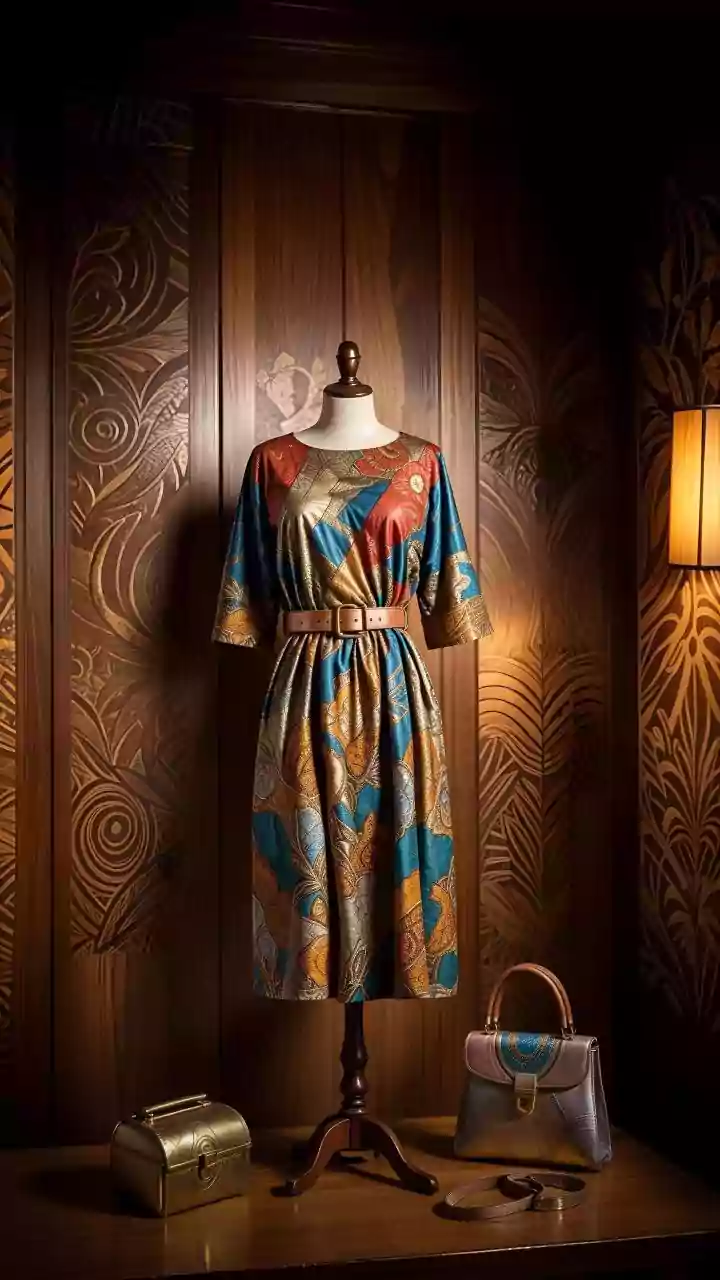
Beyond the runway and exclusive events, Indian fashion brands are strategically expanding their influence into consumers' living spaces by venturing into lifestyle and home décor. This diversification allows brands to extend their unique design philosophies and craft sensibilities into everyday life, offering a more comprehensive brand experience. Designers are launching collections that include home furnishings like throws and rugs, often utilizing archival textiles to maintain brand continuity. Others are designing holiday homes or collaborating with hospitality spaces to embed their aesthetic into leisure environments. This move into the home sector reflects a growing consumer desire to connect with a brand's broader worldview, presenting a natural progression for brands to translate their creative vision beyond apparel and into the tangible aspects of a consumer's lifestyle.