


Record-Breaking Journey Begins
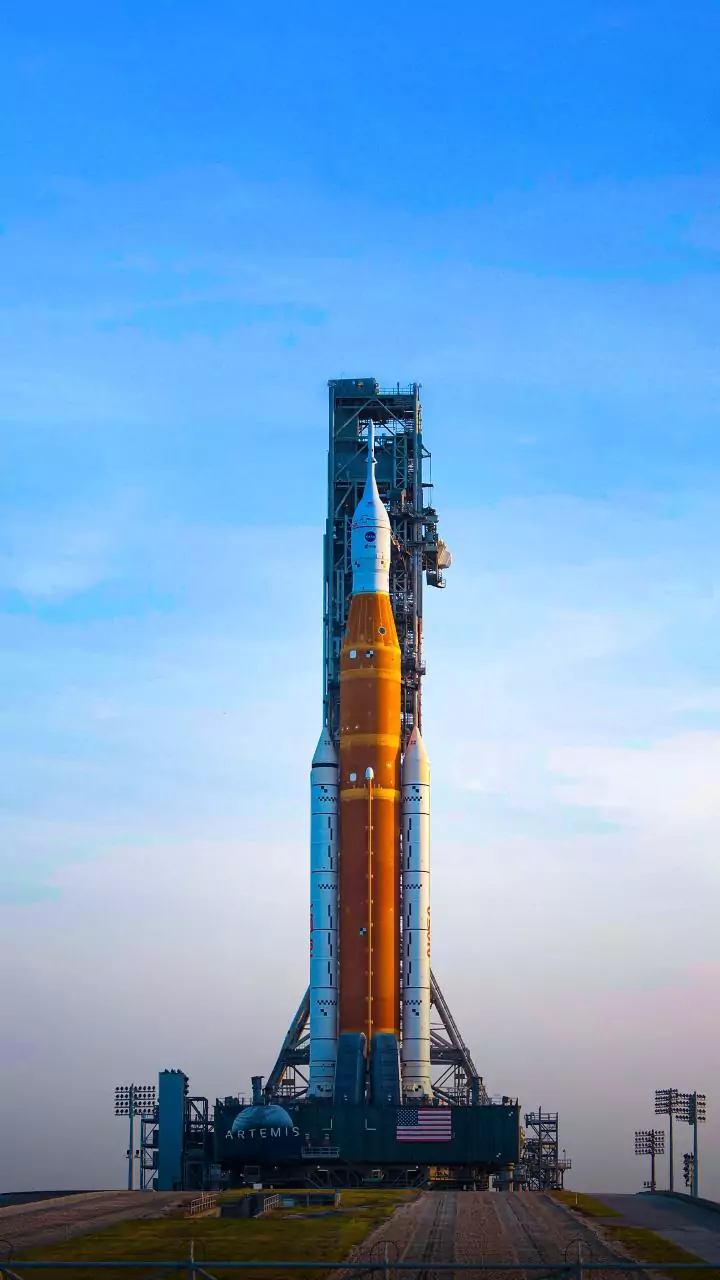
The Artemis II mission marked a significant leap for human spaceflight, extending humanity's reach further into the cosmos than any crewed mission in decades.
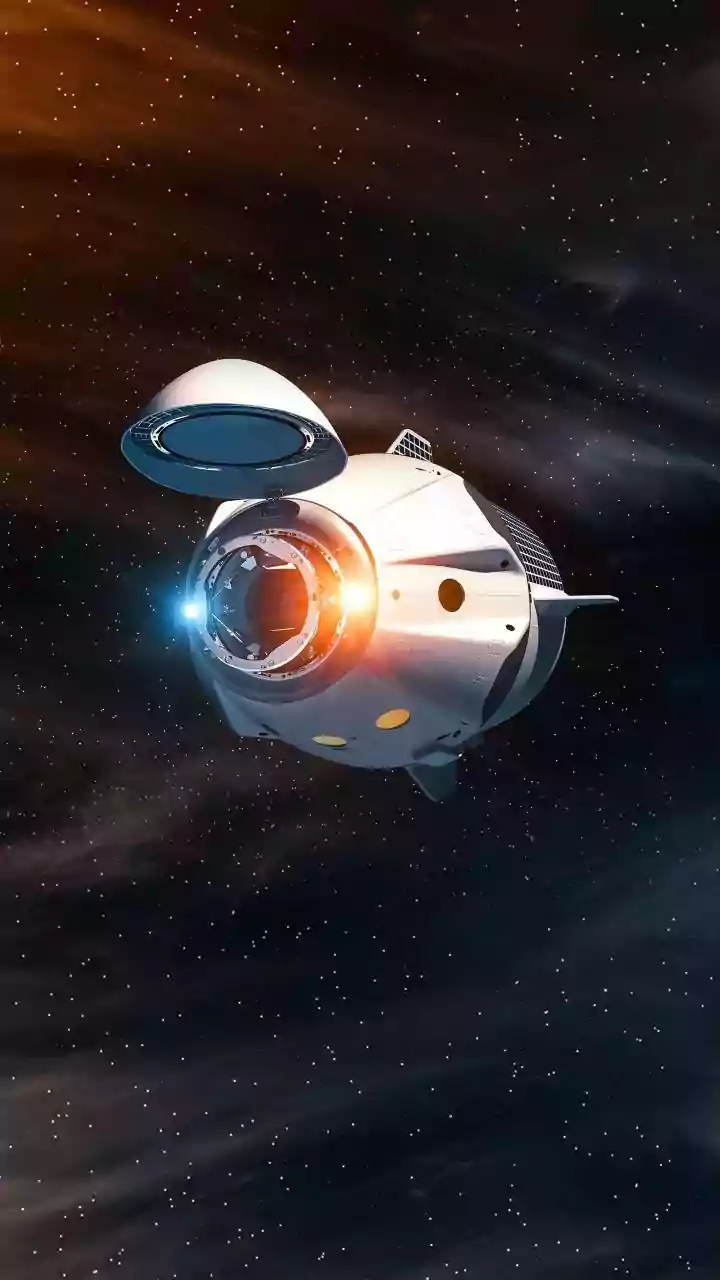
On its fifth day, the Orion spacecraft, carrying four intrepid astronauts, achieved a remarkable milestone by traveling an unprecedented distance from Earth, surpassing the records set during the Apollo era. This journey, which took the crew beyond the far side of the Moon, not only demonstrated the advanced capabilities of the Orion capsule and the Space Launch System rocket but also rekindled the spirit of deep space exploration after a hiatus of over fifty years. The mission's primary objective was to test critical systems for future lunar missions, ensuring the technology is robust enough for extended stays and exploration on the Moon. This record-setting distance served as a powerful testament to the mission's success in pushing the boundaries of what's possible in space.
Meet the Artemis II Crew
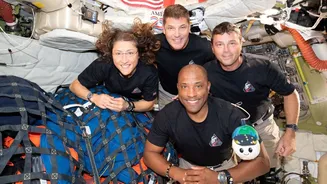
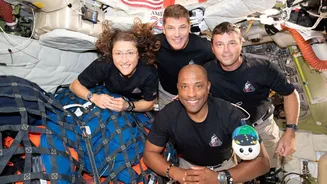
The Artemis II mission was a collaborative endeavor, featuring a diverse and skilled four-person crew. Leading the mission was Commander Reid Wiseman, an experienced astronaut tasked with overseeing the complex operations. Pilot Victor Glover provided crucial navigation and control expertise. Joining them were Mission Specialists Christina Koch and Jeremy Hansen. Notably, Jeremy Hansen of the Canadian Space Agency made history as the first Canadian to journey around the Moon, highlighting the international cooperation driving NASA's lunar ambitions. Together, this crew was responsible for evaluating vital navigation, life support, and communication systems during their lunar flyby, gathering essential data to pave the way for future crewed landings and long-term human presence on the Moon.
Facing Re-entry Challenges
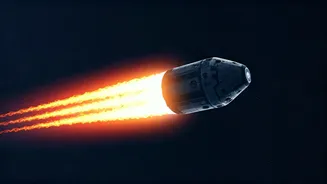
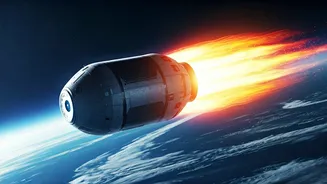
The return to Earth for the Artemis II crew was arguably the most critical and perilous phase of their mission. The Orion spacecraft was slated to re-enter Earth's atmosphere at an astonishing speed of over 25,000 mph (approximately 40,000 km/h), a velocity that subjects the capsule to extreme heat and forces. The spacecraft's heat shield, crucial for withstanding temperatures reaching nearly 3,000 degrees Fahrenheit (around 2,800°C), was a key component undergoing rigorous testing. While similar to the heat shield used in Artemis I, NASA had implemented adjustments to the flight path to mitigate concerns arising from the previous mission's performance. This meticulous planning and the reliance on advanced engineering were vital for ensuring the safe return of the astronauts.
The Final Descent Sequence
The final moments of the Artemis II mission were a carefully orchestrated sequence designed for a safe splashdown. The Orion spacecraft's crew module separated from its service module at 7:33 pm EDT (5:03 am IST on April 11), exposing the heat shield for atmospheric entry. A subsequent burn refined the capsule's trajectory, aiming for a precise entry angle. As Orion plunged into the upper atmosphere at approximately 400,000 feet altitude, traveling at speeds nearing 35 times the speed of sound, the crew anticipated experiencing up to 3.9 Gs. This initial atmospheric interface triggered a communications blackout lasting about six minutes due to the plasma surrounding the capsule. Further slowing occurred with the deployment of drogue parachutes at around 22,000 feet, followed by the main parachutes at 6,000 feet, reducing Orion's speed to less than 136 mph before its final splashdown in the Pacific Ocean.
Splashdown and Recovery
The culmination of the Artemis II mission saw the Orion spacecraft successfully splash down in the Pacific Ocean off the coast of San Diego at 8:07 pm EDT (5:37 am IST on April 11), completing a journey of 694,481 miles. The return was met by dedicated recovery teams from NASA and the U.S. military, including Navy personnel. Within two hours of landing, the astronauts were safely extracted from the capsule, assisted onto an inflatable raft, and then transported via helicopter to the USS John P. Murtha. This swift recovery operation ensured the crew's well-being and initiated their post-mission medical evaluations before their return journey to NASA's Johnson Space Center in Houston, marking a triumphant conclusion to this historic lunar voyage.
Beyond the Visible: Space Debris
Despite the awe-inspiring images captured during the Artemis II mission, including a remarkable 'Earthset' view, concerns about space debris remain a constant consideration for NASA. However, the lack of visible debris in the mission's photographs is not due to its absence but rather the immense difficulty in capturing such elusive objects. Most space junk consists of tiny particles traveling at incredibly high speeds, often exceeding 28,000 km/h, making them virtually imperceptible to cameras. Furthermore, the densest concentrations of debris are found in low Earth orbit, a region the Artemis II mission quickly surpassed. Even larger objects are challenging to photograph due to the vastness of space, the distances involved, and the constant motion. While NASA diligently monitors orbital debris, the probability of incidentally capturing it in mission photographs remains exceedingly low.