






The Spot Reduction Myth
Many people believe they can target fat loss in specific body areas, including the face. However, scientific evidence consistently debunks this idea. When
your body burns fat for energy, it mobilizes fat stores from your entire system, not from a single, localized spot. You cannot instruct your body to preferentially burn fat from your cheeks or jawline. Achieving a slimmer facial appearance is intrinsically linked to reducing your overall body fat percentage. This means adopting a holistic approach to fat loss, rather than focusing on isolated exercises or treatments. The notion of 'spot reduction' is a popular misconception that doesn't align with how our bodies metabolize fat. Therefore, any promises of targeted facial fat loss through specific exercises alone are unlikely to deliver on their claims of melting fat.
Face Yoga's True Impact
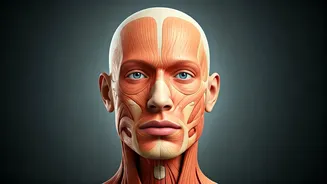
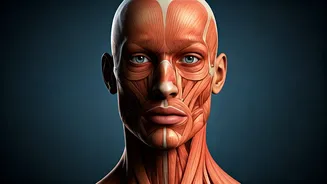
While face yoga might not directly eliminate facial fat, it can contribute to a more toned and lifted appearance by strengthening underlying facial muscles. A 20-week clinical study indicated that participants practicing facial exercises did observe improvements in their looks. This enhancement isn't due to fat loss, but rather muscle hypertrophy—similar to resistance training for the body. By building these muscles, the face can appear more supported and structured, particularly as skin loses elasticity with age. However, it's crucial to understand that increased muscle mass beneath the skin does not equate to the disappearance of the fat layer above it. So, while face yoga can offer some aesthetic benefits by toning, it's not a magic bullet for shedding facial fat.
Real Fat Loss Strategies
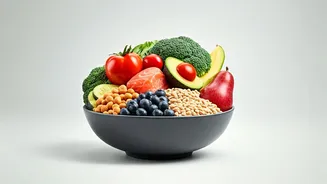
To genuinely reduce facial fat, a comprehensive approach focusing on overall body fat reduction is essential. This primarily involves two key pillars: diet and exercise. A caloric deficit is paramount; you must consume fewer calories than your body expends. This doesn't necessitate extreme dieting, but rather a shift towards nutrient-dense whole foods like lean proteins, vegetables, and complex carbohydrates, while significantly reducing processed foods and hidden sugars. Complementing a healthy diet with regular physical activity is equally vital. Traditional cardiovascular exercises, such as running or swimming, are effective for burning calories. For those with time constraints, High-Intensity Interval Training (HIIT) offers an efficient way to maximize fat expenditure through short bursts of intense activity followed by brief recovery periods.
Addressing Facial Puffiness
Often, what appears as facial fat is actually water retention, leading to puffiness in areas like the cheeks and under-eyes. This can be exacerbated by factors such as high-sodium food intake, which causes the body to retain fluids. The solution? Paradoxically, drinking more water helps your body flush out excess fluid. Lifestyle choices also play a significant role. Alcohol consumption, for instance, is both inflammatory and dehydrating, often leading to a swollen face upon waking. Furthermore, insufficient sleep can elevate cortisol levels, the stress hormone, which negatively impacts metabolism and increases fluid retention. Prioritizing hydration, mindful eating, moderate alcohol intake, and adequate sleep are crucial for managing facial puffiness and contributing to a more defined facial contour.