








Overnight Oral Havoc
While a morning brush offers a refreshing start, it’s the hours spent sleeping without cleaning your teeth that truly invite dental peril. When you sleep,
your mouth enters a state of reduced activity, meaning saliva production, your mouth's natural defense against food debris and acid, significantly decreases. This lull creates a prime breeding ground for bacteria. Leftover food particles from the day become a feast for these microbes, which then produce acids that relentlessly attack your tooth enamel. This prolonged exposure to an acidic environment during the night is a primary driver of enamel erosion and the subsequent development of cavities, a consequence often overlooked in favour of morning freshness.
Morning Brush Insufficiency
The common practice of brushing only once a day, typically in the morning, is far from adequate for robust oral health. While this habit provides immediate freshness, it fails to mitigate the extensive bacterial activity that transpires overnight. Dental professionals emphasize that plaque, a sticky film of bacteria, begins to re-establish itself on teeth within mere hours of being brushed. Consequently, a single daily brushing leaves your teeth vulnerable to bacterial proliferation for extended periods. For those limited to one brushing session, prioritizing the one before bed is clinically advised. This is because it effectively removes the accumulated plaque and food remnants from the entire day, significantly reducing the overnight bacterial assault.
Long-Term Dental Fallout
Consistently neglecting to brush your teeth before retiring can trigger a cascade of worsening dental issues. Initially, this habit might manifest as persistent bad breath and a noticeable buildup of plaque. However, if left unchecked, this plaque hardens into tartar, a calcified substance that ordinary brushing cannot remove and necessitates professional dental intervention. The unchecked progression of plaque and tartar is a direct pathway to gum inflammation, known as gingivitis, and can escalate into periodontitis. This severe gum disease poses a significant risk, potentially leading to tooth loss. Furthermore, the chronic inflammation associated with advanced gum disease has been increasingly linked to systemic health problems, highlighting the profound impact of oral neglect on overall well-being.
Prevention is Key
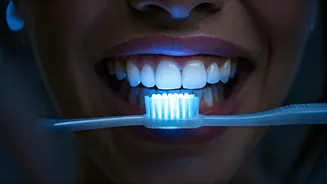
Achieving optimal oral hygiene is not about sporadic deep cleans but rather the consistent implementation of daily habits. The most straightforward yet profoundly effective strategy for safeguarding your dental health involves brushing your teeth twice daily, specifically incorporating a thorough brushing session before going to sleep. Using a fluoride toothpaste is also highly recommended, as it strengthens enamel and offers enhanced protection against cavities. This consistent habit forms the bedrock of a healthy mouth, preventing the accumulation of harmful bacteria and minimizing the risks associated with overnight oral neglect. By prioritizing this simple routine, you can significantly reduce the likelihood of developing cavities, gum disease, and other associated health concerns.