




Gentle Heat Application
Before resorting to liquids, try applying gentle heat to the sticky residue. A hairdryer, held about 3-4 inches away and directed at the adhesive for 20-30
seconds, can effectively soften the glue. This process leverages the principle that heat reduces the viscosity of adhesives, making them less structurally sound and easier to lift. Once the area is warm, a plastic card, like an old credit or loyalty card, can be used to carefully scrape away the softened residue. It's crucial to work along the surface's grain and apply light pressure to avoid damage. This method is particularly effective on smooth materials such as metal, glass, and certain plastics. However, caution is advised when dealing with painted surfaces or delicate finishes, as excessive heat might cause discoloration or other adverse effects.
Household Oil Solutions
If heat alone isn't sufficient or if you're tackling a more porous surface, common cooking oils offer a gentle yet effective alternative. Olive oil, vegetable oil, or even coconut oil can be utilized to break down stubborn adhesive without harming the underlying material. Apply a small amount of oil to a clean cloth and rub it thoroughly into the sticky patch. Allow the oil a few minutes to penetrate and loosen the residue. Subsequently, wipe the area clean. It's important to follow up by washing the surface with warm, soapy water to eliminate any oily film that might otherwise attract dust. This technique is an excellent choice for materials like wood, ceramic, and various plastics, where more aggressive cleaning agents could cause damage.
Rubbing Alcohol Power
For those particularly tenacious sticky remnants, rubbing alcohol proves to be a potent solution. Moisten a cloth with rubbing alcohol and gently rub the affected area using small circular motions. If the residue remains stubbornly attached, you can enhance the effect by soaking a piece of paper towel in rubbing alcohol, pressing it firmly against the sticky spot for a period, and then proceeding with cleaning. Prior to applying this method widely, it's advisable to test it on an inconspicuous section of the surface. Rubbing alcohol can sometimes interact negatively with certain finishes, paints, or rubber components, potentially leading to undesirable outcomes.
Eco-Friendly Baking Soda
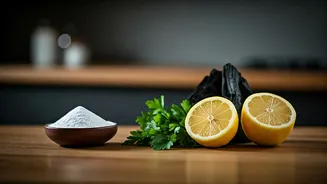
An environmentally conscious approach to sticky residue removal involves creating a simple paste from baking soda. Mix two tablespoons of baking soda with three tablespoons of water to achieve a paste-like consistency. Apply this paste generously to the sticky area and let it sit for a few minutes. The next step involves gently scrubbing the treated spot with a soft cloth or sponge, employing circular motions. The efficacy of baking soda paste stems from its mild abrasive qualities, which help to dislodge glue residue without causing harm to the surface itself. This offers a natural and effective alternative for cleaning.
Prevention is Key
The most effective strategy against sticker residue is prevention. Before applying a sticker, consider coating the surface with a thin layer of cooking oil. This pre-treatment works by reducing the surface energy, thereby hindering the adhesive's ability to form a strong bond. When the sticker is eventually removed, minimal to no sticky residue will be left behind. Additionally, seek out stickers explicitly labeled as 'removable' or 'low-tack,' as these are designed for easy, residue-free removal. For exceptionally stubborn cases not resolved by these home remedies, commercial adhesive removers can be employed, always following product instructions and testing on a small area first.