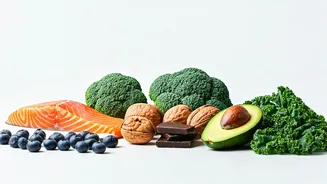







Omega-3 Rich Fish
During demanding exam periods, your child's developing brain requires targeted nutrition to perform optimally. Fatty fish like salmon, mackerel, and sardines
are packed with omega-3 fatty acids, particularly DHA, which is a fundamental building block for brain cells, making up approximately 40% of the brain's structural fats. These essential fats are vital for consolidating memories and facilitating faster information processing, crucial skills when facing complex exam questions. Furthermore, omega-3s possess anti-inflammatory qualities that help shield the brain from the detrimental effects of elevated stress hormones commonly experienced during high-stakes testing. To integrate these benefits, aim for two to three servings of fatty fish weekly, prepared through grilling, baking, or pan-frying. If fish is unappealing, consider fish oil supplements, after consulting a healthcare professional, or plant-based sources like flaxseeds and chia seeds, though their conversion to beneficial omega-3s is less efficient.
Antioxidant-Packed Blueberries
Don't underestimate the power of these small, vibrant berries; blueberries are a cognitive powerhouse. They are exceptionally rich in antioxidants and flavonoids, compounds that contribute to both immediate cognitive enhancements and long-term brain health. Their convenience makes them particularly suitable for students preparing for exams, as they require minimal preparation and can be enjoyed as a quick snack. The antioxidants within blueberries actively combat the increased oxidative stress that often accompanies prolonged mental exertion and disrupted sleep patterns, common during exam preparation. To ensure a consistent supply, keep a stash of frozen blueberries, which retain their full nutritional value and are available year-round. They can be effortlessly added to morning smoothies, sprinkled over oatmeal or yogurt, or served as a refreshing pick-me-up between study sessions, providing a swift energy boost alongside their brain-nourishing properties.
Nutrient-Dense Eggs
Eggs are a nutritional marvel, particularly beneficial for cognitive function during stressful academic times. They are a superb source of choline, essential B vitamins such as B6, B12, and folate, and high-quality protein. Choline, predominantly found in egg yolks, is a crucial precursor to acetylcholine, a neurotransmitter vital for memory formation and learning processes. Research indicates a strong correlation between higher choline intake and improved cognitive performance. The B vitamins contribute to slowing cognitive decline and stabilizing mood, which is invaluable for navigating the emotional rollercoaster of exam season. Unlike breakfast options high in sugar that lead to energy crashes, eggs provide a sustained release of energy, promoting consistent concentration throughout lengthy study periods and preventing disruptive mid-morning slumps. Incorporating eggs into breakfast, whether boiled, scrambled, poached, or in an omelette, is highly recommended for sustained focus.
Portable Nuts and Seeds
Walnuts, almonds, pumpkin seeds, and sunflower seeds offer a convenient and potent source of brain-boosting nutrients in a portable format. These snacks deliver a blend of healthy fats, protein, fibre, vitamin E, magnesium, and zinc. Vitamin E acts as a powerful antioxidant, safeguarding brain cells from cellular damage, while walnuts specifically contain plant-based omega-3s that support brain health. The magnesium found in pumpkin seeds and almonds is instrumental in memory consolidation and learning, and it also plays a role in regulating stress responses and improving sleep quality, both critical for managing exam-related anxiety and sleep disturbances. Creating a custom trail mix by combining these nuts and seeds, perhaps with a touch of dark chocolate, provides an easily accessible and energy-sustaining snack option for study desks, reminding students to consume them in moderation due to their calorie density.
Protective Leafy Greens
Though often overlooked by younger palates, dark leafy greens such as spinach and kale are nutritional powerhouses for the brain. They are abundant in nutrients like vitamin K, lutein, folate, and beta-carotene, all of which are strongly associated with enhanced cognitive health. During the demanding exam season, these vegetables contribute to improved blood flow to the brain, ensuring adequate oxygen delivery to support sustained mental exertion. The folate content is particularly significant, as deficiencies have been linked to increased fatigue and diminished concentration, precisely what students need to avoid during their revision. To ensure consumption, consider blending spinach into fruit smoothies where its taste is masked, or incorporating finely chopped kale into pasta sauces, soups, or dishes like palak paneer to make them more palatable and accessible for teens.
Sustained Energy Whole Grains
The brain is a highly energy-demanding organ, consuming a significant portion of the body's total energy reserves. To function at its best, it requires a consistent supply of glucose, which is precisely what whole grains provide. Opting for whole grains like brown rice, quinoa, oats, and whole wheat ensures a slow and steady release of glucose into the bloodstream, a stark contrast to refined carbohydrates that cause rapid energy spikes followed by crashes. This sustained energy flow is crucial for maintaining unwavering concentration throughout extended study sessions, preventing the productivity-draining mid-session slumps. Additionally, whole grains offer B vitamins, iron, and magnesium, which further support cognitive function and energy production, while their fibre content aids digestive health and contributes to mood regulation via the gut-brain axis. Incorporating whole grains into daily meals, from oatmeal breakfasts to whole wheat sandwiches and brown rice dinners, significantly benefits exam preparation.
Delightful Dark Chocolate
For a brain food that’s genuinely enjoyable, dark chocolate (with 70% cocoa or higher) offers substantial cognitive advantages. It contains a beneficial combination of flavonoids, a moderate amount of caffeine, and antioxidants. The flavonoids present in dark chocolate have been shown to improve memory recall and enhance blood flow to the brain, facilitating better cognitive function. The carefully balanced caffeine content provides a gentle uplift in alertness without the unpleasant jitteriness associated with excessive coffee consumption. Furthermore, dark chocolate stimulates the release of endorphins and contains compounds that can help alleviate stress and anxiety, making it a particularly valuable treat during the high-pressure exam period. Enjoying a small square, approximately 20-30 grams, of high-quality dark chocolate daily offers these benefits without excessive sugar or calories, serving as a well-deserved reward during long study days.