


What is Skin Flooding?
Imagine your skin as a parched sponge; applying a heavy cream directly won't penetrate effectively. Skin flooding mimics this principle by first preparing
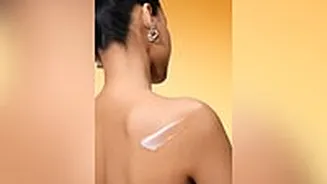
the skin to absorb moisture. The technique involves layering water-based humectants onto damp skin, allowing it to soak up copious amounts of hydration. This saturated canvas is then immediately sealed with a richer moisturizer to lock in all that beneficial water. It’s not about buying new, expensive products, but rather strategically using what you already own to achieve an intensely hydrated, plump appearance. The science behind it is simple: damp skin is more receptive to absorbing moisture, much like a wet sponge readily takes in water.
The Four-Step Glow
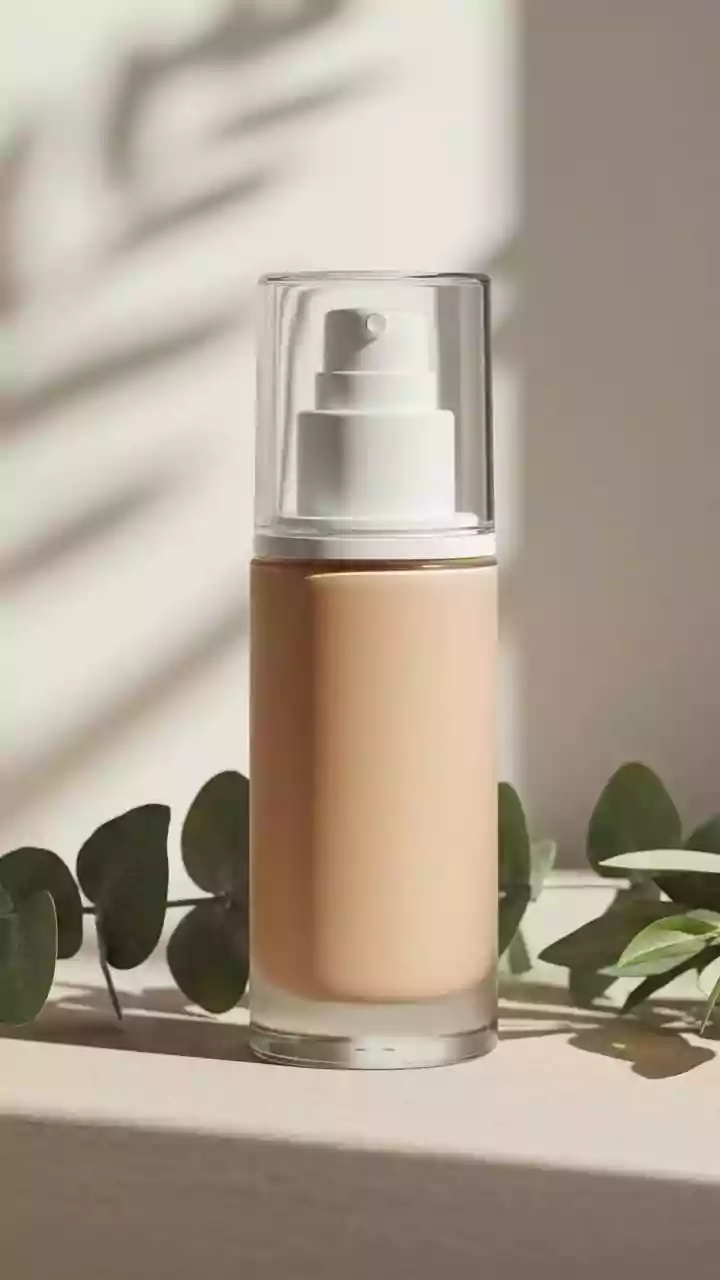
Achieving the signature 'skin flooding' look is surprisingly straightforward, focusing on a deliberate order of product textures. Begin with a gentle cleanser to purify your skin without stripping its natural oils, preserving your skin's crucial moisture barrier. The most vital step follows: keep your face damp. Do not towel-dry; instead, either leave your skin wet or re-dampen it with a hydrating mist or essence. Next, while your skin is still wet, apply lightweight, water-based serums rich in humectants like hyaluronic acid and glycerin. These ingredients act as magnets, drawing moisture deep into the skin. Finally, to seal in this surge of hydration and prevent water loss, apply a thicker emollient or occlusive moisturizer. Ingredients like ceramides, squalane, or shea butter form a protective layer, effectively trapping moisture.
Benefits of the Trend
The immense popularity of skin flooding stems from its immediate and lasting impact on dry, dehydrated skin. Users report a visibly radiant and plump complexion, often described as 'glass skin.' Beyond the aesthetic appeal, this method significantly bolsters a compromised skin barrier. A stronger barrier leads to reduced redness, less inflammation, and an overall decrease in skin sensitivity. Furthermore, by plumping fine lines with sheer hydration, the technique creates an incredibly smooth canvas, making makeup application effortless and seamless. It provides a substantial boost to skin health, addressing dryness and improving texture.
Skin Type Considerations
While skin flooding offers remarkable benefits, its suitability varies depending on your individual skin type. It is particularly transformative for dry or dehydrated skin, especially during harsh, moisture-depleting seasons, effectively combating flakiness and dullness. Individuals with sensitive skin will also find this routine soothing, provided they opt for fragrance-free, simple formulations to avert any potential irritation. However, those with oily or acne-prone skin must exercise caution. Layering multiple hydrating products and heavy occlusive creams can potentially trap sweat, excess oil, and bacteria, leading to clogged pores and breakouts. If you have oily or acne-prone skin and wish to try the trend, it is advisable to skip the heavy sealing creams and opt for lightweight, oil-free, non-comedogenic gel moisturizers to reap the glow without the risk.