





The Spice-Longevity Link
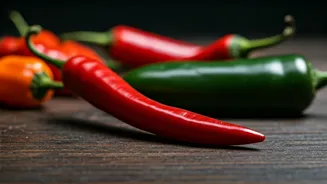
Many people enjoy the vibrant sensation of chilli peppers in their food, but this culinary preference might offer more than just a fleeting pleasure. Emerging
scientific evidence suggests a compelling correlation between the regular consumption of spicy foods, particularly chilli peppers, and a reduced risk of developing severe health conditions. While it's not a definitive cure, the consistent patterns observed in large-scale studies have captured the attention of health professionals, hinting at a potential role for spice in extending lifespan. This connection is being explored by nutritionists and cardiologists alike, who are keen to understand the underlying mechanisms that could link a spicier diet to greater longevity and fewer health complications.
Global Health Insights
Vast amounts of data have been analyzed from diverse populations across the globe, revealing a remarkable trend: individuals who regularly include chilli peppers in their meals tend to experience a significant reduction in their risk of mortality from various causes. One comprehensive analysis, pooling data from over 570,000 adults spanning the United States, Italy, China, and Iran, indicated that consistent chilli consumption was associated with a 26% lower chance of dying from cardiovascular disease, a 23% lower risk from cancer, and an overall 25% reduction in death from any cause when compared to those who seldom or never ate them. These findings were substantial enough to surprise researchers, including prominent cardiologists, who noted the widespread association with reduced mortality risks. However, it's crucial to acknowledge that these are observational findings, and further investigation is required to establish a direct cause-and-effect relationship, as other lifestyle factors might also be at play.
US Study Highlights
Digging deeper into the health benefits of spicy food, a significant study conducted by researchers at the Larner College of Medicine at the University of Vermont provided compelling insights. This research meticulously examined the dietary habits and health outcomes of 16,179 adults who participated in the National Health and Nutrition Examination Survey (NHANES) III between 1988 and 1994. The findings, published in PLOS ONE, indicated that individuals who regularly consumed hot red chilli peppers exhibited a 13% lower adjusted risk of death across the board compared to their non-chilli-eating counterparts. Over an extensive follow-up period spanning approximately 273,877 person-years, the death rate among those who incorporated chillies into their diet was recorded at 21.6%, a notable contrast to the 33.6% observed in those who avoided them, even after accounting for critical factors such as age, pre-existing health conditions, and lifestyle choices. This US-based analysis adds substantial weight to the notion that spicy foods might play a beneficial role in overall health and longevity.