






Understanding Eye Infection Risks
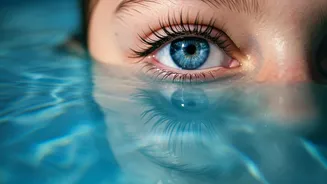
As temperatures rise, swimming pools become a favorite escape for children. However, these refreshing havens can harbor unseen threats to young eyes. Pool
water, while often treated with chlorine, can still contain microorganisms and contaminants that pose a risk. Children, naturally inclined to open their eyes underwater, are particularly vulnerable to 'pink eye' or conjunctivitis, caused by these irritants. Beyond the water itself, the sharing of personal items like towels and goggles among children can facilitate the rapid spread of infections. Furthermore, the disinfectant chlorine, while crucial for hygiene, can disrupt the eye's natural tear film, leaving them more susceptible to microbial invasion and irritation.
Recognizing Pink Eye Symptoms
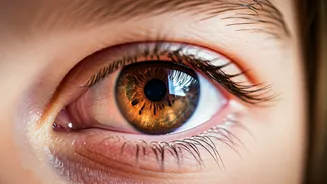
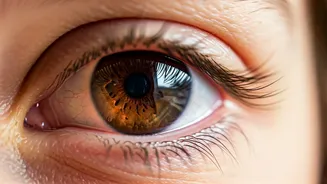
Spotting the early signs of a swimming pool-related eye infection is key to prompt treatment. The most common indicator is redness in the white part of the eye, earning it the name 'pink eye.' Beyond visual changes, children may complain of significant eye discomfort, describing a gritty or burning sensation, as if something is lodged within their eyes. Another tell-tale sign is the presence of discharge, which can range from watery to a yellowish-white. Vision might also be temporarily affected, leading to blurriness. In some cases, swelling of the eyelids can accompany these symptoms. If any of these signs appear, it's crucial to seek professional advice from an ophthalmologist without delay.
Essential Prevention Strategies
Keeping your child's eyes protected while they enjoy the water is paramount. A simple yet effective measure is ensuring your child wears well-fitting goggles every time they swim, especially when submerged. Always opt for swimming pools that are known to be well-maintained, as proper upkeep significantly reduces contaminant levels. Reinforce the importance of not sharing personal items such as towels, goggles, or swim masks with others, as this is a common route for infection transmission. Crucially, if your child is currently experiencing any eye irritation or infection, it's best to keep them out of the pool to prevent spreading it to other swimmers. For older children who wear contact lenses, it's advisable to avoid swimming with them in to minimize the risk of eye issues.