





Project Elephant's Vision
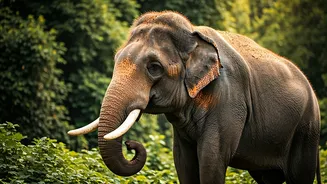
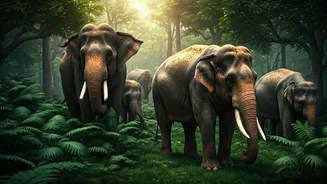
India actively safeguards its significant Asian elephant population through Project Elephant, an initiative focused on preserving vast ecological corridors
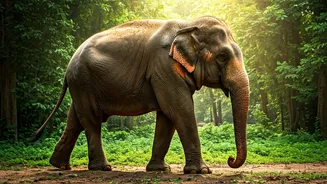
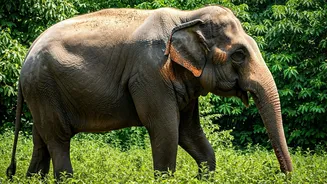
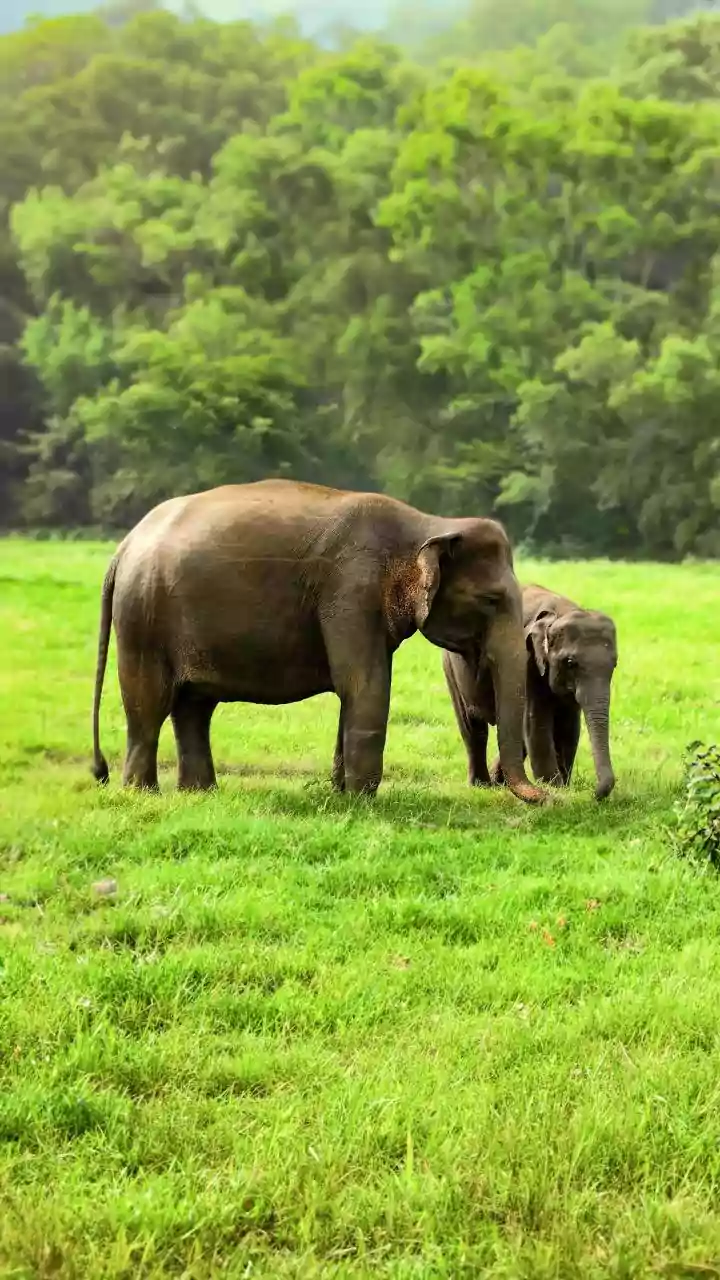
rather than solely isolated sanctuaries. This approach recognizes that elephants require extensive migratory routes to thrive, thereby addressing human-elephant conflict and ensuring long-term survival. These expansive landscapes are crucial for maintaining biodiversity and the well-being of these magnificent animals. Visiting these regions allows travelers to appreciate the scale of India's conservation endeavors and witness elephants roaming freely in environments meticulously managed for their protection and coexistence with human communities.
Nilgiri & Eastern Dooars
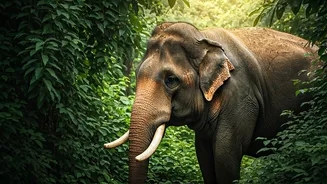
The Nilgiri and Eastern Dooars landscapes stand as prime examples of India's strategic approach to elephant conservation under Project Elephant. These vast areas are meticulously managed to protect critical elephant migration pathways, ensuring that these large mammals can move freely between feeding and breeding grounds without undue human interference. The conservation efforts here are designed to foster a harmonious coexistence between wildlife and local populations, significantly reducing instances of conflict. For visitors, these regions offer a profound glimpse into landscape-level conservation, showcasing how vast tracts of land are preserved to support elephant herds and the myriad of other species that share these vital ecosystems.
Kaziranga's Floodplains
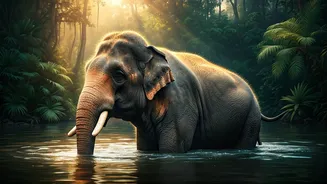
Renowned globally for its population of the Indian one-horned rhinoceros, Kaziranga National Park is also a significant haven for wild elephants. The park's expansive floodplains and lush grasslands provide an ideal habitat, supporting a healthy and thriving elephant population. Safaris across its verdant landscapes frequently offer memorable sightings of elephants, often seen traversing the plains or bathing in water bodies. Kaziranga’s unique ecosystem, shaped by the Brahmaputra River, supports a rich tapestry of wildlife, making it a crucial site for both elephant and rhino conservation efforts in Northeast India.
Mudumalai's Tri-Junction
Nestled at the convergence of Tamil Nadu, Kerala, and Karnataka, the Mudumalai Tiger Reserve plays a pivotal role as a vital elephant corridor. This strategically located reserve boasts diverse terrains, from dry deciduous forests to moist tropical forests, creating an environment conducive to large elephant herds. Travelers exploring Mudumalai often have the exciting opportunity to witness multiple elephant families during their excursions. The reserve is integral to the broader Nilgiri Biosphere Reserve, facilitating gene flow and movement for elephant populations across these southern Indian states, underscoring its importance in regional wildlife conservation.
Nagarhole's Dense Forests
As an integral part of the expansive Nilgiri Biosphere Reserve, Nagarhole National Park is characterized by its dense woodlands and intricate river systems, which collectively nurture robust elephant herds. The park's rich vegetation and reliable water sources are essential for supporting these magnificent animals. Visitors can embark on jeep safaris that navigate through the heart of the forest or opt for serene boat safaris along the Kabini River, both offering excellent chances to observe elephants in their natural, undisturbed environment. Nagarhole represents a successful model of protecting large mammal populations within a biodiverse forest landscape.
Periyar's Lakeside Elephants
Located amidst the stunning Western Ghats of Kerala, the Periyar Tiger Reserve is celebrated as one of the premier locations for encountering wild elephants, particularly near its picturesque lake. Boat safaris on Periyar Lake provide a unique vantage point, often revealing herds of elephants gathering at the water's edge to drink and bathe. Beyond the elephants, the reserve's dense forest cover and diverse wildlife present a captivating spectacle. Periyar's landscape is a testament to effective conservation, offering visitors a chance to witness elephants and explore a rich natural heritage.
Corbett's Riverine Habitats
India's oldest national park, Corbett National Park, is not solely a sanctuary for tigers; its sprawling riverine forests and grasslands also provide a flourishing habitat for a significant elephant population. Within zones like Dhikala, which offers panoramic views of the Ramganga River and surrounding plains, elephants are frequently sighted. These areas showcase the park's commitment to conserving multiple species, ensuring that the elephant herds can thrive alongside other iconic Indian wildlife. Corbett's diverse ecosystems exemplify the successful preservation of natural habitats crucial for large animal populations.