



Strategic Decluttering
Transforming a small home isn't about emptiness, but rather meticulous organization and strategic placement. The key is to minimize visible clutter by
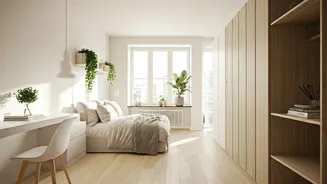
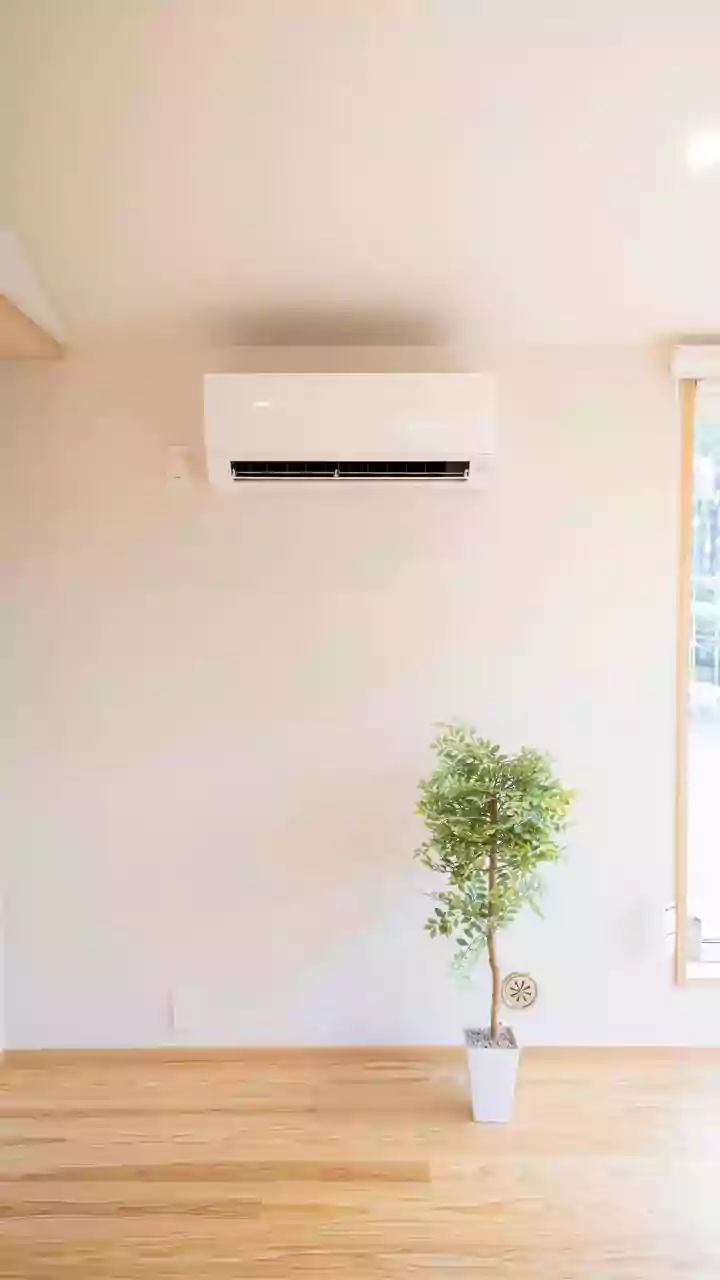
storing items out of sight whenever possible, utilizing solutions like under-bed storage, baskets, and discreet compartments. This practice significantly enhances the perception of space, making rooms feel more expansive. However, absolute bareness can lead to a sterile environment; incorporating a few personal touches, such as a plant, a cherished photograph, or a small piece of art, injects warmth and personality without compromising the feeling of openness. A fundamental principle to apply is that any item without a clear function or one that doesn't bring joy is essentially occupying valuable space that could otherwise contribute to an uncluttered aesthetic. This approach shifts the focus from simply removing items to thoughtfully curating what remains, ensuring that each element contributes positively to the overall ambiance and spaciousness of the home.
Illuminating Spaces
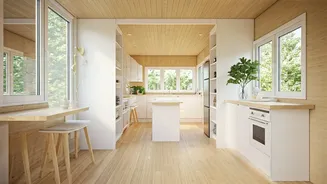
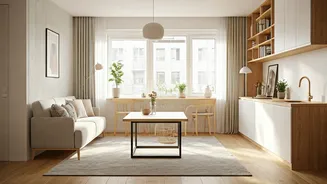
A well-lit environment inherently feels more expansive than a dimly lit one. Maximizing natural light is paramount; avoid obstructing windows with heavy drapes or bulky furniture that block the sunlight's entry. Strategic placement of mirrors can amplify this effect considerably. A mirror positioned directly across from a window not only reflects light but also duplicates the visual field, making the room appear nearly twice its actual size. This technique is a time-tested principle, observed in both traditional Indian homes and contemporary design. As daylight fades, creating a sense of depth through layered artificial lighting becomes crucial. Instead of relying on a single, harsh overhead light which can flatten the visual plane, combine ambient ceiling lights with accent wall lamps and floor lamps. This interplay of light sources adds dimension and character, significantly enhancing the perception of space and making the room feel more inviting and voluminous.
Multipurpose Furniture
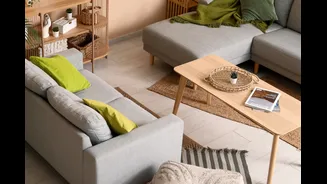
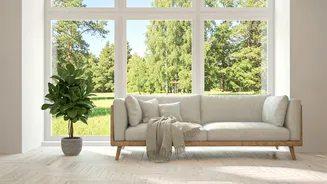
In any confined dwelling, particularly one around 200 square feet, every piece of furniture must justify its presence by serving multiple functions. Opt for items like beds equipped with integrated storage drawers, dining tables that can be folded away when not in use, or sofa beds that transition seamlessly from seating to sleeping arrangements. These selections are instrumental in optimizing the functionality of the space throughout the day. Beyond mere utility, the scale of furniture is critical; oversized pieces can make even an empty room feel overwhelmingly cramped. Conversely, furniture with slimmer profiles and raised legs creates a sense of openness by exposing more of the floor area, lending a lighter and more airy feel to the entire environment. This thoughtful selection of furniture ensures that the space is both practical and visually expansive.
Colour Palette Secrets
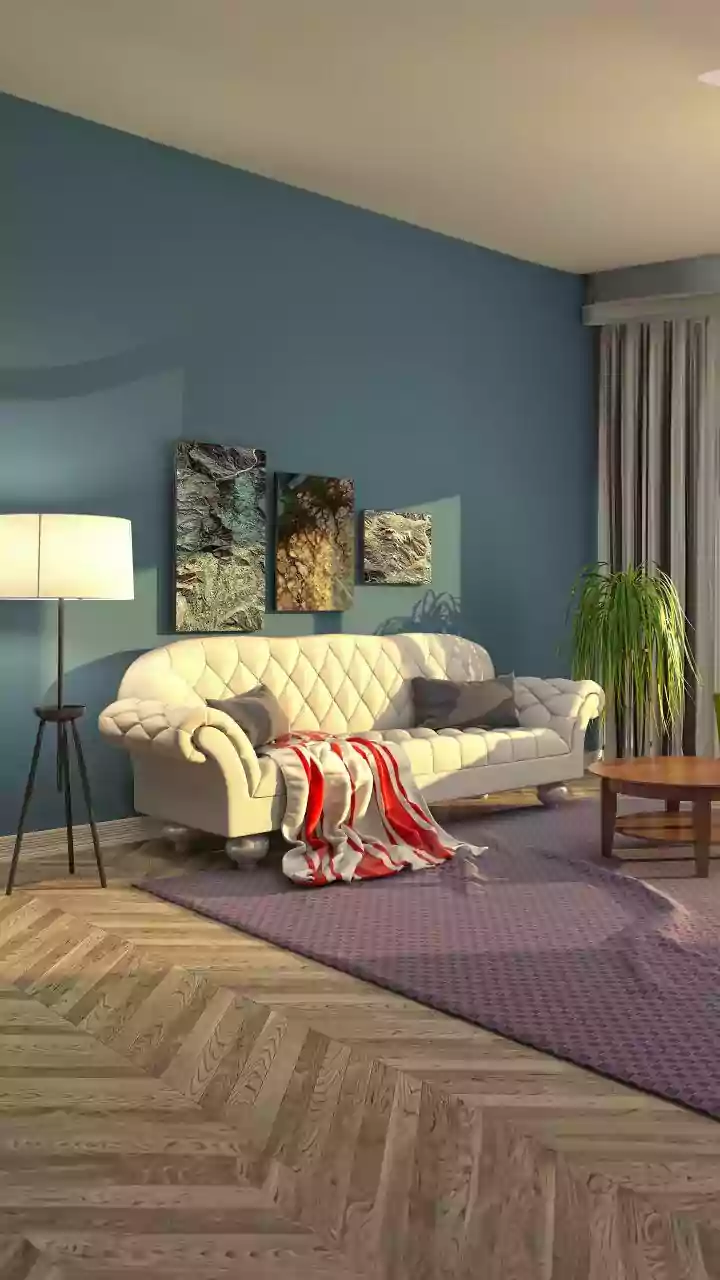
Light colours possess the remarkable ability to reflect more light, thereby creating an illusion of greater spaciousness. Shades such as off-white, soft beige, gentle grey, or muted pastel tones are particularly effective in compact living quarters, promoting an open and airy atmosphere. This doesn't necessitate a strictly monochromatic or uninteresting aesthetic; character can be introduced through a single accent wall or by incorporating textured surfaces, provided they don't overwhelm the visual field. The guiding principle here is consistency; an excessive variety of colours can disrupt the visual flow, making the room appear smaller. Maintaining a limited and cohesive colour palette fosters a sense of calm and continuity, contributing to a more expansive feel. This deliberate choice in colour application enhances the perception of room size without sacrificing stylistic appeal.
Vertical Space Mastery
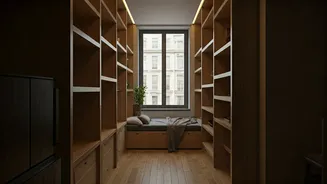
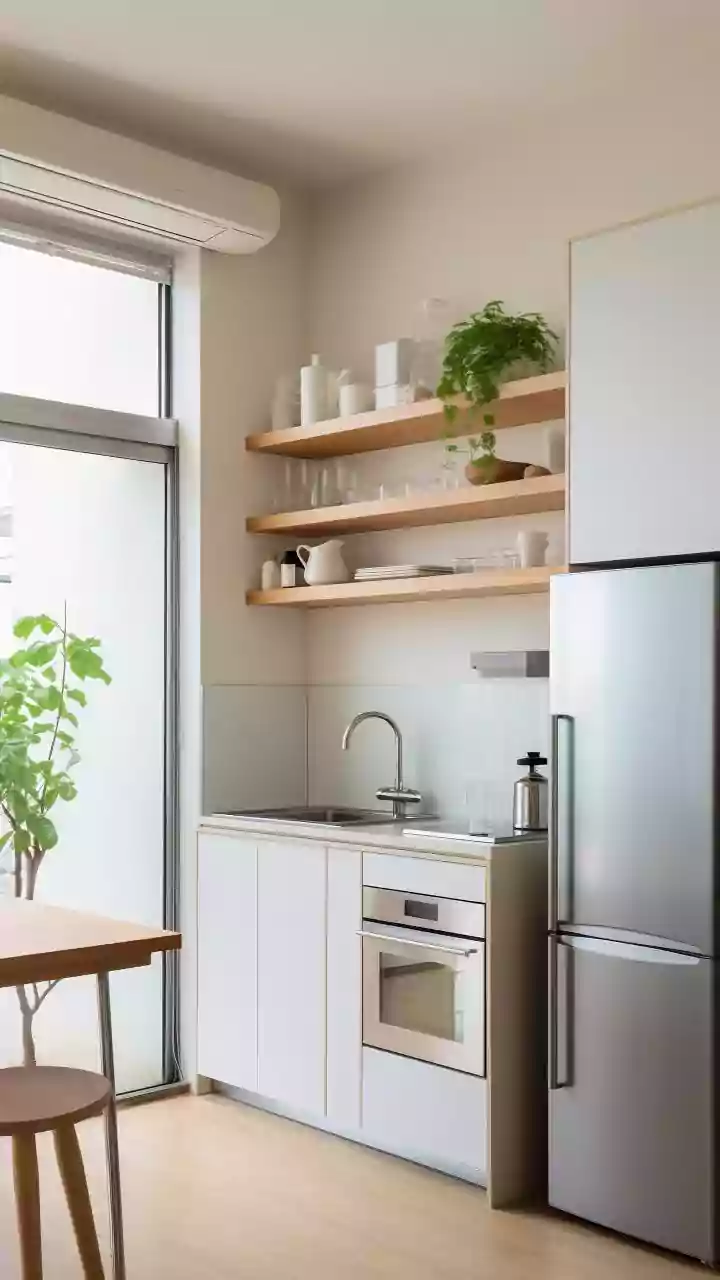
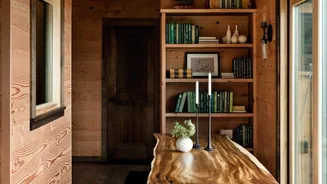
When floor space is at a premium, the walls become incredibly valuable assets for storage and design. However, haphazardly filling them can diminish the sense of space. A layered approach is recommended: install open shelving higher up for items used infrequently, and keep everyday essentials within easy reach at eye level. This strategy maintains a visually lighter lower half of the room. Furthermore, extending shelving units all the way to the ceiling can paradoxically enhance the perception of height and, consequently, space, provided they are kept tidy and not overcrowded. A cluttered wall can be far more detrimental to the feeling of spaciousness than a cluttered floor, so maintaining order and strategic placement is key when utilizing vertical real estate.
Open Sightlines
A primary reason small homes often feel cramped is the constant interruption of the eye's natural travel path. Sharp contrasts, bulky dividers, and cluttered layouts disrupt visual flow and make spaces feel enclosed. Instead, prioritize maintaining open sightlines. This involves using low-profile furniture, avoiding tall partitions that block views, and aligning key pieces along the walls to create unobstructed pathways. Even leaving one wall largely unadorned can create a profound sense of depth. Architects emphasize that a room feels significantly larger when the eye can move freely across it without encountering barriers. If spatial division is necessary, opt for glass partitions or sheer curtains over solid walls; these define zones without visually closing off the space, preserving an open and airy atmosphere that enhances the perception of size.