








Grains of Generosity
Prime Minister Narendra Modi's diplomatic efforts extended to the realm of culinary exchange, showcasing India's rich agricultural bounty to global leaders.
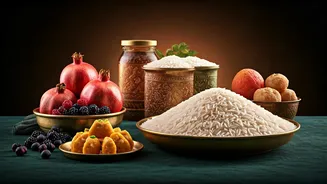
During his recent five-nation tour, a curated selection of India's finest grains was presented, symbolizing the nation's deep-rooted connection to its soil and traditions. Among these, a significant highlight was the offering of Red Rice, also recognized as Matta or Palakkadan Matta. Hailing primarily from the Palakkad district of Kerala, this unique rice variety is distinguished by its robust, reddish-brown hue and bold grains. Its nutritional prowess stems from the retention of its outer bran layer, making it an excellent source of fiber, essential vitamins, and minerals. Further enhancing its appeal, Red Rice has earned a Geographical Indication (GI) tag, a testament to its unique regional identity and quality. Alongside it, UP's distinctive Kalanamak rice, affectionately known as Buddha Rice, was also part of this gastronomic diplomacy. Steeped in history, with purported links to the era of Gautama Buddha, this GI-tagged rice captivates with its subtle fragrance, dark husk, tender texture, and significant nutritional profile, including a rich concentration of iron and antioxidants.
Fragrant and Festive Rice
The presentation of Indian grains continued with offerings that resonated with regional pride and culinary heritage. West Bengal's Gobindobhog rice, a premium indigenous variety, was among the gifted items. Traditionally cultivated in districts like Burdwan, Hooghly, and Nadia, this GI-tagged rice is a staple for celebratory dishes such as khichuri, pulao, and payesh, and is also integral to religious ceremonies. Its inherent fragrance and superior cooking qualities make it a treasured ingredient in Bengali cuisine, holding significant cultural and culinary importance. Further enriching the selection was Joha rice from Assam, a fragrant variety originating from the Brahmaputra valley. The name 'Joha' itself translates to 'fragrant' in Assamese. Typically small-grained, this rice is a cornerstone of traditional Assamese feasts and special occasions. Its GI tag underscores efforts to preserve its authenticity and support the livelihoods of local farmers. Beyond its culinary appeal, Joha rice is also lauded for its digestibility and nutritional benefits, embodying the rich agricultural heritage and cultural traditions of Assam. Finally, Basmati rice, a globally renowned long-grain aromatic variety from the Indo-Gangetic plains, concluded the rice offerings. Esteemed for its delicate perfume, slender grains, and exceptionally fluffy texture post-cooking, it is extensively cultivated across states like Punjab, Haryana, Himachal Pradesh, Uttarakhand, and parts of Uttar Pradesh. Its rich aroma and exceptional cooking qualities make it the preferred choice for iconic dishes such as biryani, pulao, and fried rice, commanding significant value in both domestic and international markets and holding a GI tag for its unique regional identity.
Exotic Flavors & Sweet Delights
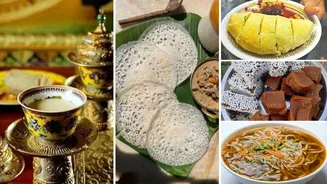
Beyond grains, Prime Minister Modi's gifts encompassed a vibrant array of regional flavors and traditional sweets, offering a more nuanced taste of India's diverse palate. From Manipur, a small batch of Loktak tea was presented to the Prime Minister of Sweden. Cultivated in the picturesque environs surrounding Loktak Lake, this unique tea is celebrated for its refreshing taste, captivating aroma, and smooth finish. Experts suggest its cultivation in the pristine, fertile hills of the region imbues it with the essence of Manipur's rich biodiversity and natural beauty. For a touch of sweet nostalgia, the iconic Indian Melody toffee was gifted to the Prime Minister of Italy. This beloved chocolate confection offers a delightful duality of flavors, combining a creamy, rich cocoa-like chocolate center with a chewy caramel outer layer that provides a buttery, toffee-like sweetness. The tour also featured the distinct sweetness of Meghalaya Pineapple, presented to the President of the UAE. This GI-tagged fruit, often associated with the Khasi Pineapple from the Ri-Bhoi region, is acclaimed for its exceptional sweetness and enchanting aroma, further enhanced by its organic cultivation practices. These pineapples are a popular choice for fresh consumption and are also incorporated into juices, desserts, and jams. Additionally, the vibrant Kesar Mango, a GI-tagged variety native to Gujarat, was also gifted to the President of the UAE. Distinguished by its bright, saffron-colored pulp and cultivated predominantly around the Gir forest region and Junagadh district, it is particularly favored for preparing aamras, desserts, and refreshing juices.
Wholesome Millet Power
The diplomatic gifting also underscored India's commitment to ancient grains and their nutritional significance, exemplified by the presentation of Jowar and Bajra Millet Bars. These bars, crafted from two of India's most important indigenous millets, offer a concentrated burst of energy and essential nutrients. Jowar, widely known as sorghum, is a powerhouse of fiber, protein, iron, and antioxidants, contributing to sustained energy release and overall well-being. Bajra, or pearl millet, is equally lauded as an exceptional source of calcium, magnesium, and vital nutrients, making it a staple for many rural communities. These millets are fundamental to traditional Indian diets, forming the basis for a variety of dishes ranging from hearty rotis and comforting porridge to wholesome khichdi. The inclusion of these millet bars in the gifts highlights their dual role as a nutritious food source and a symbol of India's agricultural heritage, providing a healthy and traditional snack option that resonates with global health trends and the ancient wisdom of Indian food practices.