






Culinary Diversity Unveiled
Uttar Pradesh, a state renowned for its rich cultural tapestry and culinary heritage, is taking a significant step to promote its diverse food traditions.
With 75 districts, each boasting unique flavors and community-driven recipes, the state government has introduced the 'One District, One Cuisine' (ODOC) scheme. This program is designed to enhance the branding, marketing, and export potential of signature dishes from every district. The core objective is to foster a deeper connection with these local delicacies, giving them broader recognition. While the initiative aims to celebrate the state's food culture, it has notably focused exclusively on vegetarian offerings, a decision that has garnered attention and debate, particularly concerning the omission of well-loved non-vegetarian specialties.
Promoting Local Flavors
Inspired by the successful 'One District, One Product' (ODOP) scheme and launched in January 2026, the ODOC initiative is meticulously identifying and spotlighting a distinct signature dish for each of Uttar Pradesh's 75 districts. This strategic effort is geared towards encouraging entrepreneurial ventures within the food sector, elevating hygiene standards across food establishments, and cultivating a strong global brand identity for these culinary treasures. The program intends to harness the power of food as a cultural ambassador, driving economic growth and preserving traditional cooking methods for future generations. By focusing on specific dishes, the state aims to create concentrated marketing efforts that can lead to wider commercial success and increased tourism interest.
A Gastronomic Showcase
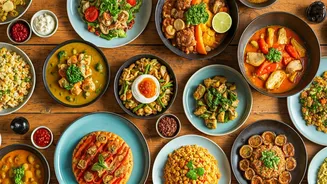
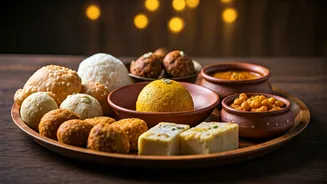
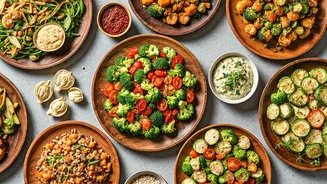
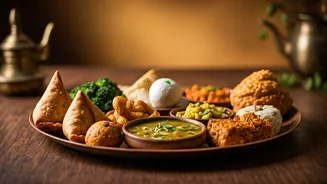
The 'One District, One Cuisine' list presents a delightful array of vegetarian treats, spanning from traditional sweets to savory snacks. For instance, Sultanpur is recognized for dishes like 'peda', 'samosa', 'kadhai puri', and 'red peda', while Barabanki features 'chandrakala' and 'red peda'. Amethi highlights 'samosa', 'jaggery kheer', and 'gulgula', and Ambedkar Nagar is noted for 'balushahi', 'chaat', and 'khajla'. The Devipatan division, including Gonda, is represented by 'dahi vada', and Bahraich by 'chamcham' and 'kachori'. Balrampur offers 'coconut barfi', 'kalakand', 'ghamanja', and 'chaat', with Shravasti showcasing 'imarti'. Lucknow's culinary contributions include 'revdi', 'mango products', 'chaat', and 'malai makkhan'. Agra is celebrated for its 'petha' and 'dalmoth', Firozabad for 'tikki' and 'kachori', and Aligarh for its 'dairy products' and 'kachori'. Mathura contributes 'peda' and 'makhan mishri', while Moradabad is known for its 'dal dishes' and 'handi halwa'. Hardoi features 'aloo puri', 'laddoo', and 'laozhad', and Lakhimpur Kheri presents 'banana', 'jaggery', 'khoya peda', 'kheer mohan', and 'rasgulla'. Raebareli is highlighted for its 'spices', and Sitapur for 'makhan malai', 'samosa', 'mirchi pakoda', and 'peda'. Unnao's specialties include 'kala jamun', 'samosa', 'kushli', and 'trilok pari'. Ayodhya's culinary landscape includes 'chandrakala', 'balushahi', and 'dahi', while Zamgarh is known for 'white carrot halwa'. Mahoba contributes 'date jaggery', and Meerut is famous for 'gajak' and 'revdi'. Prayagraj offers 'kachori', 'samosa', and 'rasmalai', and Hamirpur features 'bundeli dal-based preparations'. Varanasi's vibrant offerings encompass 'thandai', 'tiranga barfi', 'lassi', and the iconic 'Banarsi paan'.
Expert and Government Perspectives
The ODOC initiative has prompted considerable discussion, particularly regarding the exclusion of non-vegetarian dishes. Food historian Pushpesh Pant, in a statement to PTI, described the all-vegetarian list as a "half baked" measure, suggesting it borders on bigotry and ignorance while emphasizing his appreciation for vegetarian cuisine. He questioned the rationale behind such selective discrimination. In response, Cabinet minister Rakesh Sachan addressed the omission, clarifying to The Indian Express that it was not intentional and that non-vegetarian items could be added if recommended in the future. He emphasized that the scheme's primary goal is to promote dishes that benefit a wider population through packaging and sales, rather than solely individual popular items. Sachan also highlighted the flexibility of the list, stating that it can be updated based on public suggestions and local recommendations with the Chief Minister's approval, without requiring a full Cabinet reshuffle.