



Feel the Fabric
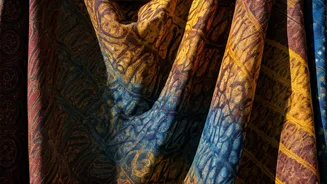
The most immediate indicator of authenticity often lies in the tactile experience. Genuine Banarasi silk possesses a distinct richness and weight, feeling
substantial yet soft, and drapes with an inherent elegance. It should not feel overly slick or unnaturally light. Synthetic blends, commonly used in fakes, tend to exhibit a smoother, more artificial sheen and lack the natural body of pure silk. Experienced shoppers can often discern real silk by its feel alone, as authentic fabric offers a luxurious sensation without needing to be ostentatious. Once you've experienced the touch of a genuine Banarasi weave, the difference becomes quite pronounced and memorable, highlighting the inherent quality of traditional craftsmanship.
Examine Weave Details
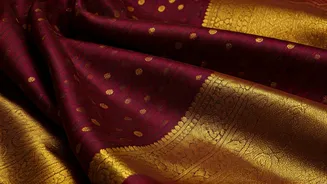
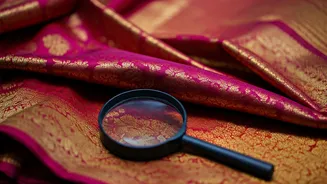
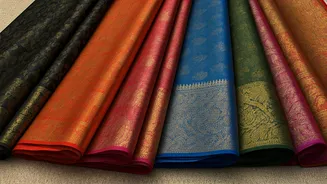
A common pitfall for shoppers is focusing solely on a saree's shine, mistaking superficial gloss for quality. True Banarasi artistry resides in the intricate weaving itself. Upon close inspection, authentic sarees reveal complex patterns like paisleys, floral motifs, and detailed borders meticulously woven into the fabric, rather than printed on the surface. Running your fingers over these designs will typically reveal a subtle texture, a testament to the weaving process. Counterfeit sarees often rely on excessive shine to mimic luxury, but their patterns can appear flat or plasticky upon closer examination. Interestingly, minor imperfections in the weave are often a positive sign, indicating the hand of an artisan rather than machine precision. These small irregularities contribute to the unique character of handmade textiles.
Inspect the Reverse Side
An often overlooked yet highly informative technique involves examining the backside of the saree. For handwoven Banarasi creations, it's common to observe loose threads or 'floats' of thread behind the intricate motifs. This is a natural byproduct of the traditional weaving method and should not be mistaken for poor finishing. Machine-made imitations, however, usually present a remarkably clean and uniform appearance on both sides, as their patterns are often printed or produced by automated looms. If the reverse side looks suspiciously identical to the front, it's a strong indication that the saree might not be authentically handwoven and warrants further scrutiny before purchase. These subtle clues on the reverse often reveal the true nature of the craftsmanship.
Assess Zari Quality
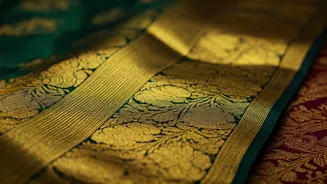
Many imitation Banarasi sarees attempt to impress with overly bright and flashy zari work. However, authentic zari possesses a refined, elegant glow that is sophisticated rather than garish. Traditionally made with gold-coated silver threads, genuine zari offers a rich luster that seamlessly integrates with the silk. Fake zari, conversely, often appears coppery or excessively shiny and can feel rough to the touch. A simple test is to gently rub the zari between your fingers; cheap synthetic zari often feels stiff or plasticky, while quality woven zari feels smoother and more pliable. If a saree glitters intensely from every angle, it might be trying too hard to mask a lack of genuine craftsmanship. True luxury in zari work is typically understated and blends harmoniously with the fabric.
Verify Certifications
When investing in a Banarasi saree, paying attention to certifications can provide an added layer of assurance. Look for a Geographical Indication (GI) tag, which signifies that the saree originates from the traditional Banaras weaving cluster. Additionally, a Silk Mark certification indicates that the product is made from pure silk. While these tags are not infallible proofs against fraudulent sellers, they certainly lend credibility and enhance buyer confidence. When shopping online, it's crucial to go beyond just images; zoom in on fabric details, read product descriptions carefully, check customer reviews, and research the seller's reputation thoroughly. Purchasing an authentic Banarasi saree requires a degree of patience and diligence, ensuring you acquire a piece that truly represents its heritage.