



Portion Distortion Pitfalls
One of the primary reasons smoothies can become calorie-dense is the phenomenon known as "portion distortion." When you consume whole fruits, the physical
act of chewing and the inherent fiber content naturally signal fullness to your brain, acting as a natural brake on consumption. However, blending multiple fruits like two bananas, a mango, and a handful of berries transforms them into a liquid form that bypasses these satiety cues. In mere minutes, you can ingest the sugar equivalent of several servings of fruit without experiencing the prolonged feeling of satisfaction you'd get from eating them individually. Without careful attention to the overall volume of your smoothie, it's easy to consume a substantial number of calories without realizing it, missing out on the full-body signals that solid food provides.
The Liquid Calorie Deception
Another significant factor contributing to the hidden calorie count in smoothies is the nature of liquid calories. Our bodies don't register liquid food with the same sense of fullness as solid foods. This means that even if you've consumed a smoothie loaded with calories, your brain might not send the 'I'm full' signals as strongly. Consequently, you may find yourself feeling hungry again sooner than expected, potentially leading to additional snacking and an unintended calorie surplus throughout the day. This disconnect between intake and perceived satiety makes it challenging to accurately gauge your energy consumption when relying on blended beverages.
High-Calorie "Health" Boosters
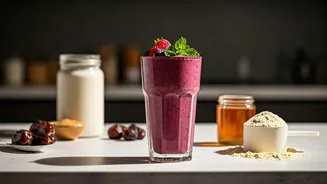
Many ingredients added to smoothies with the intention of boosting their nutritional profile can, in fact, significantly increase their calorie count. Items like nut butters, seeds, coconut milk, and even protein powders, while offering valuable nutrients, are calorie-dense. For example, a single tablespoon of peanut butter can contribute around 90-100 calories. When two or three such ingredients are combined into a single smoothie, the total calorie tally can quickly escalate far beyond what you might expect. It's crucial to be mindful of these additions, as they can transform a light drink into a calorific meal, especially when consumed in larger quantities.
The Sweet Load Deception
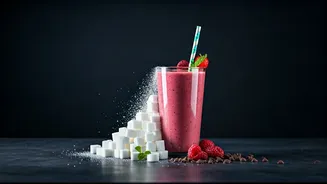
Store-bought smoothies, in particular, can be a hidden source of excess sugar and calories. Despite being marketed with natural ingredients, many are laden with added sweeteners like agave nectar, various syrups, and fruit-flavored concoctions. Furthermore, additions such as yogurt and flavorings can further inflate the calorie count. Some of these options, while appearing healthy on the surface, can contain so many calories or grams of sugar that they rival desserts. Without scrutinizing the nutrition labels and ingredient lists, consumers might mistakenly choose these as healthy options, unaware of their true caloric and sugar content.
Crafting Balanced Smoothies
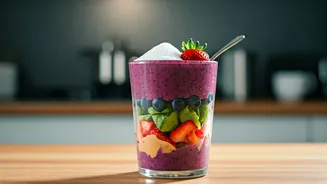
Instead of eliminating smoothies entirely, focus on mindful preparation to ensure they align with your health goals. The key is to avoid creating overly calorific meal replacements. Opt for a balanced approach by combining a single serving of fruit with a protein source like low-fat yogurt or protein powder. Incorporating a high-fiber ingredient such as chia seeds is also beneficial for satiety. For the liquid base, choose low-calorie options like water or skim milk. By adhering to these simple, ingredient-conscious principles, you can create smoothies that effectively contribute to your nutritional intake without derailing your calorie management.