




Daily Fruit Choices
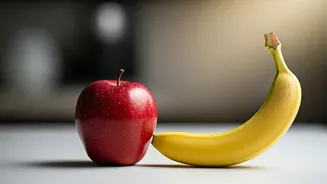
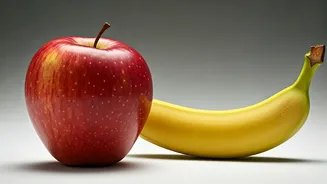
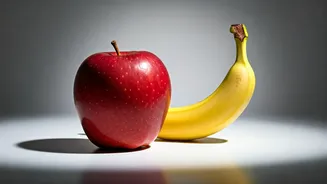
Nutritionists suggest both apples and bananas are excellent daily additions to a balanced diet, with their suitability depending on individual goals. For
enhanced digestion, weight management, or boosting antioxidant intake, apples are a prime daily choice. Conversely, athletes and those requiring sustained energy will find bananas an exceptional option. Tanya S Kapoor, a nutritionist and dietician, emphasizes that the optimal quantity varies based on personal needs and lifestyle, making both fruits versatile for different health pursuits. This flexibility allows individuals to tailor their fruit consumption to actively support their specific wellness objectives, whether it's improving gut health or fueling physical performance.
Apple's Nutritional Bounty
An apple a day truly contributes to a healthier tomorrow, being a powerhouse of vital nutrients. Research indicates apples are rich in phytochemicals, with studies linking their regular consumption to a reduced risk of certain cancers, cardiovascular diseases, asthma, and diabetes. In laboratory settings, apples have demonstrated potent antioxidant activity, the ability to inhibit cancer cell proliferation, decrease lipid oxidation, and lower cholesterol levels. Key antioxidants like quercetin, catechin, phloridzin, and chlorogenic acid are abundant in apples. They are also recognized as a low-calorie snack that aids digestion, provides protective antioxidants, and may contribute to lowering the risk of chronic illnesses. Furthermore, their high fiber content is proven to be beneficial for weight loss efforts.
Creative Apple Delights
Enjoying apples can be a culinary adventure with simple yet delightful preparations. An Apple Cinnamon Oatmeal Bake offers a hearty breakfast or snack by combining chopped apples, oats, cinnamon, milk, and a hint of honey before baking. For a refreshing and healthy option, an Apple and Carrot Salad can be made by grating apples and carrots, then tossing them with lemon juice, a pinch of salt, and either yogurt or olive oil. A natural, sweet dessert can be achieved with a Baked Apple Dessert, where cored apples are stuffed with nuts, raisins, and cinnamon, then baked until tender, offering sweetness without refined sugar. Lastly, the popular Apple Peanut Butter combination involves simply slicing an apple and spreading peanut butter on top, a beloved choice among many.
Banana's Energy Fuel
Bananas are celebrated for their high potassium content, crucial for maintaining heart health, regulating blood pressure, and supporting muscle function. The natural sugars and carbohydrates in bananas offer an immediate energy surge, making them perfect for breakfast or a pre-workout snack. Their vitamin B6 content plays a vital role in brain health and mood regulation by fostering serotonin production. Additionally, bananas are packed with antioxidants that shield cells from oxidative stress and aid in keeping the body hydrated. This makes them an all-around beneficial fruit for both physical and mental well-being, particularly for those with active lifestyles.
Delectable Banana Creations
Bananas lend themselves to a variety of delicious and convenient preparations. A Banana Peanut Butter Toast is easily made by toasting bread, spreading it with peanut butter, and topping with fresh banana slices. The Banana Shake, a widely loved dish, is created by blending bananas with milk, vanilla extract, and a sweetener of choice. For a wholesome treat, a Banana Oats Pudding involves soaking oats in curd overnight, then adding sliced bananas, berries, honey, and roasted seeds and nuts in the morning. Banana Bread, a perennial favorite across age groups, requires mashing ripe bananas and mixing them with flour, fat, baking powder, and baking soda before baking.
Nutritional Showdown
Comparing the nutritional data, a medium apple (approx. 182g) provides about 94 calories, 25.1g carbs, 18.9g total sugars, 4.37g dietary fiber, 0.473g protein, 4.6mg vitamin C, and 107mg potassium. In contrast, 100g of ripe banana offers 89 calories, 0.33g total fat, 0mg cholesterol, 1mg sodium, 22.80g total carbs, 2.60g dietary fiber, 1.09g protein, and 358mg potassium. This highlights that while bananas have more potassium and calories, apples boast higher fiber and vitamin C content. Both fruits are nutrient-dense, with apples excelling in fiber and antioxidants for long-term health, and bananas providing quick energy and potassium for immediate needs.
Daily Consumption Guide
Deciding between apples and bananas for daily consumption hinges on your specific health objectives. Apples, with their higher fiber and antioxidant levels, are excellent for digestive health and disease prevention, making them a good choice for weight management due to their lower calorie density and hydrating properties. Bananas, rich in potassium and carbohydrates, offer a quick energy boost ideal for athletes or those needing sustained energy. USDA data indicates bananas are more energy-dense, while apples are lighter. Both fruits are incredibly versatile, transforming into delightful desserts like shakes, smoothies, ice cream, and puddings, proving that incorporating either into your daily diet offers significant nutritional advantages.
Beyond the Fruit
Research indicates that bananas are not only a source of carbohydrates, fiber, and protein but also contain polyunsaturated fatty acids, potassium, carotenoids, flavonoids, vitamins C and E, phytosterols, and various polyphenols. Some of these compounds possess significant antioxidant properties and contribute to cardiovascular protection, potentially acting as anti-atherosclerotic substances. Incorporating bananas and their derivatives into diets and nutraceuticals can enhance population-level cardiovascular health. Interestingly, even the banana peel is a valuable source of fiber, proteins, polyunsaturated fatty acids, potassium, carotenoids, vitamins C and E, along with gallocatechin, catechin, and other polyphenols, further underscoring the comprehensive health benefits of this fruit.