









Tea's European Arrival
The journey of tea into European society began in the 17th century, a direct consequence of burgeoning trade routes with China. Initially a luxury item
due to its considerable expense, tea drinking rapidly transitioned from a mere act of refreshment to a sophisticated social engagement, particularly among the aristocracy. This burgeoning popularity laid the groundwork for the elaborate tea ceremonies that would later define social gatherings, transforming the simple act of sipping a beverage into a statement of status and refinement within European high society.
The Rise of Afternoon Tea
The 19th century witnessed the true blossoming of afternoon tea as a fashionable British institution, significantly popularized by Anna, the Duchess of Bedford. She ingeniously introduced this mid-afternoon repast to alleviate the substantial hunger pangs experienced between a late lunch and an even later dinner. What began as a practical solution quickly evolved into a cornerstone of genteel society, a demonstration of elegance, and a vital component of impeccable social etiquette, solidifying its place as a cherished ritual.
Tea as Protest
Beyond its leisurely connotations, the tea party also etched its name into history as a potent symbol of political dissent. The iconic Boston Tea Party of 1773 dramatically transformed the beverage into an emblem of resistance against oppressive British taxation. This pivotal event imbued the concept of the tea party with a profound and lasting political significance, demonstrating its capacity to serve as a catalyst for significant social and political change, far beyond its domestic origins.
Social Hubs and Networks
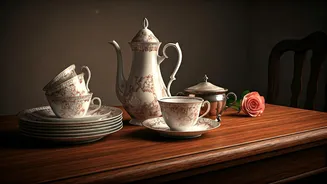
Tea parties evolved into crucial platforms for social interaction, providing a refined environment for engaging in meaningful conversations, forging professional connections, and establishing valuable alliances, particularly for women of the era. The meticulous attention paid to etiquette, the display of exquisite porcelain, and the overall presentation of the tea service became integral aspects of the experience, elevating it to an art form that facilitated social bonding and influence.
Global Tea Traditions
As the British Empire extended its reach across the globe, the custom of the tea party seamlessly integrated into colonial cultures. Local customs and preferences began to influence the way tea was prepared and enjoyed, leading to the fascinating fusion of traditions. This cultural exchange gave rise to unique and cherished tea-drinking rituals in diverse regions such as India and parts of Africa, each adding its own distinct flavor to the global tea party tapestry.
Modern Tea Gatherings
In contemporary times, tea parties encompass a wide spectrum, from highly formal high teas to relaxed, informal get-togethers. They are celebrated today for their nostalgic appeal and inherent charm. Although contemporary styles and settings may differ significantly from historical precedents, the fundamental essence of tea as a shared moment of connection and camaraderie endures, proving its timeless appeal.