





Introduction: The Commute
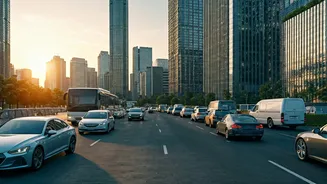
In many of Asia's bustling metropolises, the daily commute is an inescapable reality, often consuming a significant portion of residents' time. This can lead
to decreased productivity, less time for leisure, and increased stress levels. Factors such as a high population density, inadequate public transportation, and traffic congestion contribute to these extended journeys. This article pinpoints ten Asian cities where commuters regularly experience the longest travel times, shedding light on the challenges faced by their residents. We'll see how these commutes affect individuals and impact their quality of life. The cities featured in this examination underscore the need for infrastructure improvements and urban planning strategies. These improvements could alleviate the daily struggles of countless commuters.
Bangkok: A Bottleneck
Bangkok, the capital of Thailand, is notorious for its traffic congestion, consistently placing it among the cities with the longest commutes in Asia. The city's population, combined with its limited road infrastructure and insufficient public transport options, leads to relentless traffic jams. The average commute time in Bangkok can be considerable, often exceeding an hour each way. Commuters face gridlocked streets filled with cars, motorbikes, and buses, making even short distances time-consuming. This extended travel time takes a toll on residents. It impacts their personal time and overall well-being. The city has initiated several strategies to combat the traffic, including investments in its public transportation network. These projects aim to improve the situation, but for many, the daily struggle against traffic remains a significant part of life.
Manila: A Constant Wait
Manila, the capital of the Philippines, faces similar challenges, with its commuters enduring lengthy and unpredictable travel times. Its large population and constrained transportation infrastructure are the primary drivers of this issue. Commuters frequently encounter heavy traffic, especially during peak hours. The city's transport system, including buses, jeepneys, and trains, often suffers from overcrowding and delays. The extended travel times affect individuals, impacting their working hours and reducing time for family and leisure activities. Various governmental and public initiatives, such as infrastructure development and public transport enhancements, have been launched to address these challenges. These strategies are intended to improve traffic flow and ease the daily commute for Manila's inhabitants, though the issues persist.
Jakarta: Endless Traffic
Jakarta, the capital of Indonesia, is another city where commuters grapple with excessively long travel times. The city's high population and inadequate road network create a continuous cycle of congestion. The commute in Jakarta is often exacerbated by limited public transportation options and traffic bottlenecks. Commuters usually experience long, arduous journeys as they navigate the city's crowded streets. The persistent traffic impacts commuters' lives, affecting their schedules and contributing to higher stress levels. The local government has initiated efforts to relieve congestion, including expanding the public transport system. These programs, such as the MRT and LRT projects, aim to provide faster and more efficient transit options for Jakarta's millions of commuters.
Mumbai: A Daily Hustle
Mumbai, known as the financial hub of India, is another city where commuters spend a significant amount of time traveling. Its high population density and busy streets lead to long and challenging commutes. Mumbai's transportation network, which includes trains, buses, and taxis, often faces heavy usage during peak hours. Commuters must navigate overcrowded public transit and congested roads. Extended travel times significantly affect the residents of Mumbai, influencing work productivity and personal well-being. Infrastructure improvements and public transport expansions are necessary to address the commuting issues and improve the quality of life for the city's inhabitants. The city's efforts to enhance public transit include the development of a metro system to ease the daily commute for its busy population.
Kuala Lumpur: Congestion Issues
Kuala Lumpur, the capital of Malaysia, also faces considerable traffic congestion, resulting in lengthy commute times for its residents. Its continuous growth and increased number of vehicles contribute to traffic jams. The city's transport infrastructure is often overwhelmed. Commuters frequently contend with traffic snarls, particularly during rush hours. The daily travel affects commuters, impacting their schedules and increasing stress. To address these issues, the city is focused on improving its public transportation network, including expanding the rail system. Initiatives like these seek to offer commuters quicker and more convenient transport options, thereby improving their daily commute and quality of life.
Seoul: Fast-Paced Travel
Seoul, the capital of South Korea, is known for its efficient public transport system, but it still has lengthy commute times. This can be attributed to the city's high population density and extensive urban sprawl. Seoul's commute times can vary depending on the mode of transport, with those relying on private vehicles often experiencing longer travel times due to congestion. Commuters using public transport may also face delays during rush hours. The extended travel impacts daily life, reducing leisure time and impacting productivity. Seoul continuously works on improving its public transport, including its subway and bus systems. These efforts help ensure that commuters can reach their destinations effectively.
Beijing: Navigating Challenges
Beijing, the capital of China, presents its own set of commuting challenges for residents. The city's large population and extensive road network often lead to congestion and long travel times. Commuters face challenges due to Beijing's complex traffic patterns, including heavy traffic during peak hours and extensive distances between various parts of the city. The travel times take a toll, affecting work-life balance and overall well-being. In response to congestion, Beijing has invested in expanding its public transit system, and encouraging the use of electric vehicles. These measures seek to improve commutes and enhance the quality of life for Beijing's populace.
Shanghai: The Daily Grind
Shanghai, a major financial center in China, presents commuters with substantial challenges, leading to considerable travel times. The city's large population, coupled with a high volume of vehicles, contributes to congested roadways and bottlenecks. The use of public transport, although extensive, can still lead to long commutes due to crowding and delays. The extended travel times can affect residents' personal and professional lives. Shanghai has made investments in improving its public transport infrastructure, including its metro system and bus network. These enhancements improve commutes, helping residents balance work and leisure activities, and improving overall well-being.
Hong Kong: A Commuting Epic
Hong Kong is notable for its high population density and effective public transportation system, but still poses significant commuting challenges for residents. The city's limited land area and high number of people lead to congestion, particularly in areas reliant on road transport. Hong Kong's transportation network is extensive, including buses, trams, and a well-developed MTR (Mass Transit Railway) system. The use of public transport still involves long travel times, mainly during rush hour. Daily commutes affect the well-being of individuals. Hong Kong is continually improving its infrastructure, including its railway and road networks. These improvements help ensure effective commuting for its residents.