





A Stylish Entrance
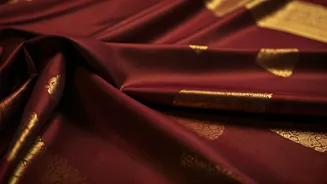
The internet buzzed when Rashmika Mandanna made her appearance at her wedding ceremony in Hyderabad, adorned in a breathtaking red silk saree paired with
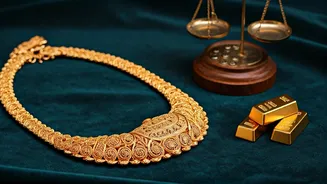
exquisite temple-style gold jewelry. While her stylist confirmed it as a prized Mysore silk acquisition, a significant portion of the online community expressed skepticism. The vibrant drape, coupled with traditional adornments, certainly captured attention, but the underlying fabric's origin became a focal point of discussion among fashion observers and enthusiasts.
The Authentic Process
Crafting genuine Mysore silk is a meticulously controlled process overseen by the Karnataka Silk Industries Corporation (KSIC). This esteemed organization procures raw silk cocoons from Ramanagaram, recognized as the largest silk cocoon market in Asia. KSIC officials diligently select these cocoons through government auctions, after which they are meticulously reeled in T. Narasipura. The final stage, weaving, takes place exclusively in Mysore, ensuring a high standard of quality and adherence to tradition. This rigorous control over the entire production chain is a hallmark of authentic Mysore silk.
Mysore Silk's Legacy
The esteemed Mysore silk fabric boasts a Geographical Indication (GI) tag, a testament to its unique origin and quality. According to fashion commentator Harshavardhan Rai, the exclusive manufacturing and selling rights for sarees marketed as 'Mysore silk' are vested solely with the Karnataka Silk Industries Corporation (KSIC). This legal protection means no other entity can legitimately produce or distribute sarees under this specific appellation. This exclusivity underscores the significance and protected status of genuine Mysore silk within the textile industry.
Debate Over Fabric
Rashmika Mandanna, originally from Kodagu in Coorg, a region geographically proximate to Mysore, opted for a striking red silk ensemble for her reception. However, keen-eyed online fashion sleuths pointed out that the drape she wore might not be pure Mysore silk in the KSIC-certified sense. It was suggested that the garment might have been sourced from an independent designer and could be a pure crepe silk, often referred to as Mysore crepe silk, rather than the traditionally manufactured KSIC Mysore silk. This distinction, while subtle to the uninitiated, is significant for purists.
Historical Roots
The lineage of Mysore silk stretches back centuries, deeply interwoven with the historical tapestry of Karnataka. This exquisite fabric is derived from mulberry silk, a sector where Andhra Pradesh contributes significantly, producing approximately 45% of India's mulberry silk. The silk industry's roots in the region date back to the Vijayanagara Empire and were further revitalized during Tipu Sultan's rule in the 18th century, flourishing consistently since then. While the precise origin of Rashmika's specific saree remains a subject of debate, her choice undoubtedly showcased grace and iconic style.