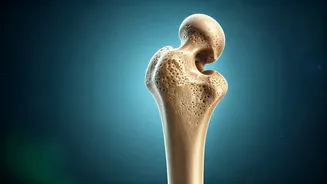






The Critical Pre-40 Window
Your skeletal system is actively built and reinforced throughout your younger years, with peak bone mass typically established by your late twenties or early
thirties. This period before hitting the age of 40 represents a golden opportunity to maximize bone density and strength. Once this phase passes, the body's primary focus shifts from building new bone to maintaining existing structures. Neglecting bone health during these formative decades means you may enter later life with a less substantial reserve, making your bones more vulnerable to age-related decline and potential issues like osteoporosis. It's akin to saving for retirement; the more you deposit early on, the more secure you are later. The actions taken now have a profound, long-term impact on your body's ability to move, heal, and maintain its integrity as you age, making proactive bone care before 40 not just beneficial, but absolutely decisive for future well-being and independence.
Understanding Osteoporosis
Osteoporosis is a debilitating condition characterized by bones that become increasingly porous, brittle, and susceptible to fractures. Its insidious nature means it often develops without any discernible pain or symptoms in its early stages, leading many individuals to discover they have the condition only after experiencing a fracture. The most common sites for these fractures are the hip, spine, and wrist, and they can result from minor incidents like a simple fall or even a sudden movement. For older adults, such fractures can significantly impair mobility, leading to a loss of independence and a diminished quality of life. In India, lifestyle shifts and nutritional deficiencies are contributing to a rise in osteoporosis cases. Studies indicate a substantial number of adults already possess low bone density before any symptoms manifest, underscoring the silent threat this condition poses and the urgent need for awareness and preventative measures.
Modern Habits' Silent Toll
Many of our contemporary daily routines can subtly, yet significantly, erode bone strength without us realizing it. Prolonged periods spent sitting, a common fixture in modern life, deprives bones of the essential mechanical stress they need to remain robust. Similarly, dietary patterns that lack sufficient calcium and protein deprive the body of the fundamental building blocks required for bone repair and maintenance. Furthermore, inadequate exposure to sunlight results in low levels of vitamin D, a crucial nutrient that plays a vital role in the body's absorption of calcium. Experts warn that this combination of poor nutrition, sedentary lifestyles, insufficient calcium and vitamin D intake, and even smoking during these critical pre-40 years can silently compromise bone integrity, thereby elevating the risk of developing osteoporosis in later life. Research highlights that vitamin D deficiency is surprisingly prevalent across India, even in sun-drenched regions, emphasizing the widespread nature of this risk factor.
Effective Bone-Building Strategies
Fortifying your bones doesn't necessitate drastic overhauls; rather, it thrives on consistent, manageable habits. Engaging in weight-bearing exercises, such as walking, jogging, or strength training, provides the necessary stimulus for bones to adapt and become denser and stronger. A diet rich in calcium is paramount, with foods like milk, curd, ragi, and leafy green vegetables being excellent sources. Equally important, though often overlooked, is adequate protein intake, which is essential for bone structure and repair. Don't underestimate the power of sunlight; even just 15-20 minutes of exposure during the morning hours can significantly aid your body in producing vitamin D. These fundamental practices – regular weight-bearing activity, a balanced diet replete with calcium and protein, and consistent sun exposure – are the cornerstones of building and maintaining strong, resilient bones for the long term.
The Invisible Power of Prevention
Preventive health measures often lack the immediate gratification of visible results, which is why they are frequently sidelined. There's no quick fix or instant transformation associated with them, leading to a perception that they might not be working. However, the benefits of prioritizing bone health early on become profoundly evident as we age. Stronger bones translate to a reduced likelihood of fractures, improved posture, and enhanced mobility and independence throughout life. It's also crucial to acknowledge the gender-specific aspects; women, particularly after menopause, experience a more rapid rate of bone loss due to hormonal shifts, making early intervention even more critical for them. By diligently nurturing bone health before the age of 40, you are essentially investing in your future self, safeguarding your physical capabilities and ensuring a higher quality of life for decades to come.
Post-40 Bone Dynamics
As individuals cross the threshold of 40, their bodies naturally begin a gradual process of bone density loss. While the rate of this decline can vary from person to person, the general trend is a reduction in bone mass. This is precisely why the efforts made in the years prior are so impactful; they build a stronger foundation that can better withstand this natural aging process. Experts emphasize that initiating preventive measures well before symptoms appear is key to mitigating the risks associated with this age-related bone loss. By proactively strengthening bones before 40, you can significantly lower the probability of fractures and mitigate long-term skeletal complications, ultimately ensuring greater mobility and a better overall quality of life as you advance in years. While regular bone density screenings can be valuable for tracking changes, especially for those with risk factors, their effectiveness is maximized when supported by the robust bone health habits established earlier in life.