







Brain's Changing Landscape
The journey of our brain is fascinating, especially as we mature. In our younger years, from childhood through adolescence, our neural networks are like
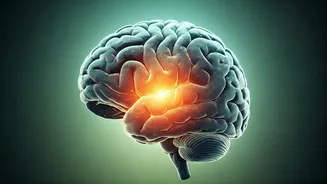
bustling highways, constantly forming new connections and readily absorbing information and skills. This period of high neurogenesis allows for effortless learning and habit formation, making the brain incredibly adaptable. However, around the age of 25, a natural process called neural pruning begins. This efficiency-building mechanism trims away less-used connections, making the brain more streamlined but potentially less flexible. While this might seem like a slowdown in learning capacity, it's crucial to understand that the brain retains its remarkable ability to rewire itself. Think of it as rediscovering a treasured room in your home; with dedicated effort, you can clear away the dust and revitalize its structure. The key lies in recognizing this shift and understanding that focused engagement can still foster growth and learning, even if it requires more conscious effort than in youth.
The Disappearing Scaffolding
As we transition from childhood to adulthood, the environmental support for reading often diminishes significantly. Children typically benefit from external encouragement: parents who read aloud, visible books, school libraries as extensions of their world, and constant gentle nudges from educators and family. This 'scaffolding' creates an environment where reading is a natural, supported activity. However, this external structure quietly fades away as we age. No longer are we regularly asked about our latest reads, and the intrinsic motivation must take over. This coincides with the natural slowing of neurogenesis around age 25, meaning new learning demands more deliberate effort, patience, and repetition. The once naturally curious and open mind becomes more discerning about where it invests its energy. Adulthood itself brings a cascade of responsibilities – meetings, errands, appointments – that shrink mental bandwidth, often leaving leisure time feeling scheduled rather than spontaneous. This makes cultivating independent habits like reading a conscious decision that requires actively carving out space and time.
Expanding Inner Worlds
Choosing to read after the age of 25 offers profound benefits, especially in how it shapes our inner lives and outward expression. Without regular exposure to diverse language structures and complex ideas found in books, our ability to articulate thoughts and feelings can become limited. Basic expressions might replace nuanced emotions, not because the feelings aren't present, but because the vocabulary and sentence construction to convey them haven't been internalized. This impact extends beyond mere communication; it influences our overall perception of the world. Those who read tend to see life's complexities and nuances, while those who don't might perceive things more superficially. In the absence of other practices that foster mental development, such as meditation, pursuing a creative hobby, or dedicating oneself to physical fitness, life can become increasingly constricting. Reading, however, is a unique activity that engages almost every part of the brain—language centers, emotional processing, memory recall, and even motor neurons. It allows us to rehearse experiences, enhancing empathy and sharpening our ability to understand and interact with others effectively. It also cultivates a deeper pursuit of knowledge and a willingness to delve into subjects with rigor.
Overcoming Resistance, Embracing Growth
Acknowledging that learning new things, including reading regularly, becomes more challenging after 25 is the first step. The reduction in neurogenesis and the pruning of neural pathways mean that acquiring new cognitive skills requires a significant expenditure of focus and energy, often perceived as 'resistance.' This feeling can be daunting, tempting adults to shy away from the effort. However, this is precisely the moment to lean in and push through. Recognizing this resistance, acknowledging it, and consciously deciding to overcome it is the beginning of significant change. The very presence of this resistance is a signal that you are engaging in the learning process and beginning to forge new neural connections. By making that extra effort, you actively reinforce specific neural pathways, harnessing the cumulative benefits of reading. This deliberate action not only builds a stronger capacity for comprehension and critical thinking but also ensures that your mind remains agile, your curiosity vibrant, and your life perspective rich and layered.