



The Invisible Threat
Many people overlook the potential dangers associated with consuming leftover foods, assuming that refrigeration is a complete safeguard. However, the reality
is that microorganisms responsible for food poisoning, including bacteria, viruses, and fungi, can multiply rapidly within the 'danger zone' – temperatures between 5°C and 60°C. Even if food appears perfectly normal in terms of taste, smell, and visual appeal, it could harbor harmful microbes. The Food Safety and Standards Authority of India (FSSAI) emphasizes that food should not be left at ambient temperatures for more than two hours, as contamination is often undetectable by our senses. Therefore, diligent food handling practices are paramount to ensuring the safety of our meals.
Pizza's Peril
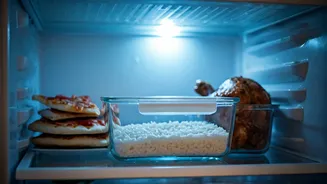
While a cold slice of pizza can be a convenient meal, it presents several food safety concerns. Contamination can originate from various sources, including undercooked toppings, unwashed hands involved in preparation, or even dirty kitchen surfaces. Notably, dried herbs like oregano and basil, often used on pizza, can sometimes carry bacteria such as Salmonella or Bacillus cereus, which may survive commercial processing and subsequently transfer to food. Once pizza is left out at room temperature for an extended period, it becomes a breeding ground for these microorganisms. Refrigeration effectively slows down their growth but does not halt it entirely. Best practices include refrigerating pizza within two hours of cooking, keeping it covered, and consuming it within 48 hours. If pizza has been left out overnight, it's advisable to discard it, as reheating cannot neutralize toxins that may have already formed.
Chicken's Caution
Cooked chicken is particularly susceptible to bacterial growth due to its rich moisture and protein content, making it an ideal environment for pathogens like Campylobacter and Salmonella. If the chicken is not thoroughly cooked initially, any surviving bacteria can proliferate during storage. A critical indicator of undercooking is the presence of pink or bloody juices. To mitigate risks, it is essential to cool cooked chicken rapidly after preparation and refrigerate it within two hours. It is generally recommended to consume chicken leftovers within two to three days. If there is any uncertainty about the quality of cooking, it is safer to avoid storing and consuming the chicken altogether.
Rice Risks
Contrary to common assumptions, rice is one of the riskiest leftovers if not handled correctly. Uncooked rice can harbor spores of Bacillus cereus, which can survive the cooking process. When cooked rice is left at room temperature, these spores can germinate, multiply, and produce toxins that may lead to rapid onset of vomiting or diarrhea within a few hours. To ensure safety, it is crucial to cool rice quickly after cooking and refrigerate it promptly, ideally within one hour. Rice leftovers should ideally be consumed within 24 hours and should never be left out overnight. Adhering to these guidelines significantly reduces the risk of foodborne illness from rice.
Canned Food Safety
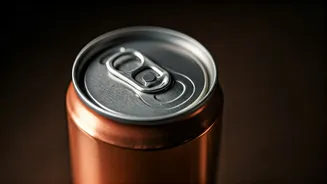
Canned foods undergo a sterilization process, which initially makes them quite safe for consumption. However, once a can is opened, the food's safety profile changes, and it begins to behave like any other cooked food item. Exposure to air can introduce new bacteria. The longevity of opened canned food depends on its acidity. Acidic foods, such as canned tomatoes, tend to last longer because the acidity inhibits bacterial growth. Conversely, low-acid foods, including canned meats and vegetables, are more prone to spoilage and have a shorter shelf life after opening. It is recommended to cover and refrigerate opened canned foods. Low-acid varieties should typically be consumed within three days, while acidic options can often be stored for five to seven days.