
Fabric Falls Gracefully
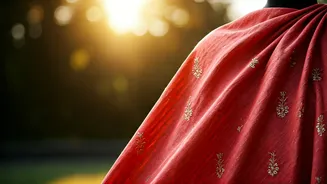
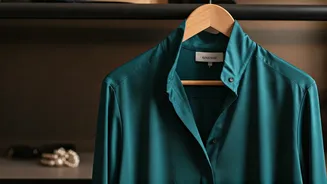
The choice of fabric plays a pivotal role in how a saree drapes and subsequently affects your silhouette. Opting for materials that possess a natural fluidity,
such as chiffon, georgette, crepe, or lightweight silks, allows the fabric to skim your body gracefully, creating cleaner, elongated lines. Conversely, stiffer fabrics like heavy cotton, organza, or heavily starched silks tend to hold structure away from the body, which can inadvertently add visual volume. Celebrities often favor these flowing fabrics for red carpet events because they inherently create a sleeker appearance. Embracing these softer textiles ensures your saree accentuates your form beautifully, contributing significantly to a more refined and leaner look without any extra effort.
Blouse Fit is Key
A perfectly fitted blouse is often the unsung hero of a flattering saree ensemble, yet it's frequently overlooked. An ill-fitting blouse, whether too tight or too loose, can disrupt the entire aesthetic, leading to awkward bulges or a shapeless appearance. The ideal blouse offers a structured yet comfortable fit. Neckline choices like V-necks, sweetheart, or slightly deeper cuts, alongside well-tailored sleeveless or properly fitted elbow-length sleeves, can visually lengthen the upper body. It’s also advisable to steer clear of overly padded or bulky blouse designs if a sleek outcome is desired. Investing in quality tailoring for your blouses is paramount, as it can dramatically transform how your entire saree outfit looks and feels.
The Artful Drape
The way you drape your saree possesses immense power to alter your perceived body shape. By mastering a few key draping techniques, you can achieve a more streamlined silhouette. When pleating the saree, aim for neat, slightly narrow pleats rather than wide and voluminous ones, as excess fabric gathered at the waist can add visual bulk. The pallu's fall is equally significant; a clean, vertical drape tends to create a longer frame compared to styles that are overly spread out. Additionally, wearing the saree slightly higher on your waist, rather than extremely low-rise, can significantly improve proportions, lending a taller and cleaner appearance. Avoiding overstuffing the front pleats with too much fabric is a simple yet effective strategy for a neater fall.
Color and Print Impact
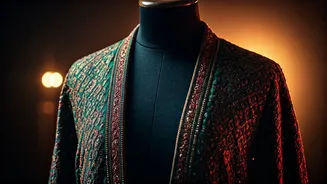
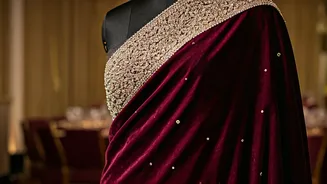
The visual perception of your silhouette can be significantly influenced by the colors and prints of your saree. While you don't need to exclusively wear dark colors, deeper shades such as deep wine, navy blue, emerald green, charcoal grey, or classic black are known to create a more elongated effect. Monochrome looks are particularly effective in sarees for achieving this streamlined appearance. Conversely, large, loud prints, thick borders, or excessive contrasting colors can sometimes visually widen your frame. Opting for smaller prints and subtle embroidery generally results in a more balanced and sleeker look. Even subtle details like vertical sequin lines or long embroidery patterns can contribute to an elongating effect, enhancing your overall appearance.
Accessorize with Balance
While accessories can enhance your saree look, an overload of chunky or heavy items can detract from your silhouette by visually crowding the outfit. Instead of piling on multiple statement pieces, focus on balancing one prominent accessory with simpler styling elsewhere. For instance, long, elegant earrings can beautifully elongate the neck, drawing the eye upward. Sleek hairstyles, such as a neat bun, soft waves, or a tied-back ponytail, also contribute to cleaner lines. A thin saree belt can be effective, provided it sits well and doesn't awkwardly constrict your waist. The overarching principle is to achieve harmony; when your styling feels lighter and more curated, your entire look naturally appears sharper and more refined.