





A Devastating Loss
In a deeply unfortunate event that has sent shockwaves through Ahmedabad, two young sisters lost their lives following a meal of dosa prepared with batter
purchased from a local market. The family experienced severe vomiting shortly after consumption, leading to a rapid deterioration in the children's health. Despite immediate hospitalization, the younger child, aged just 3 months, succumbed to the illness on April 3rd, followed by her 4-year-old sibling. Their parents, who also fell ill, remain under medical care. This incident has prompted authorities to collect samples of the suspect batter from the vendor for thorough testing by the Food and Security Laboratory (FSL) to determine the exact cause of the poisoning and bring clarity to this heartbreaking event.
Understanding Khiru Batter
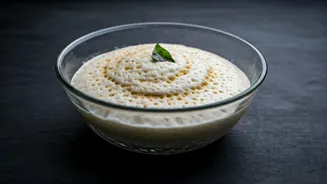
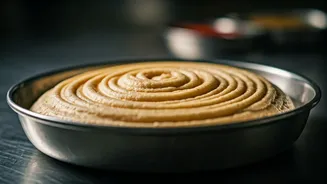
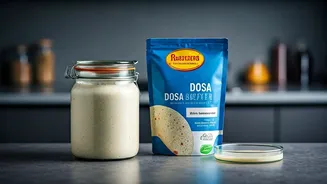
Khiru, a staple in Gujarati culinary traditions, is a fermented batter primarily made from a combination of rice and skinless urad dal. This mixture is intentionally left to ferment for several hours, often overnight, to develop a characteristic light and airy texture essential for creating popular South Indian dishes like dosa, idli, and uttapam. This fermentation process, an age-old practice in Indian kitchens, is believed to enhance the digestibility and nutritional value of these foods, often categorizing them as beneficial for gut health due to the presence of probiotics. However, when this process goes awry, especially with commercially prepared batters, it can lead to dangerous outcomes.
Risks of Store-Bought Batter
Experts highlight significant risks associated with consuming store-bought fermented batters, particularly during warmer months when food spoilage accelerates. Uncovered and improperly handled batters are susceptible to bacterial contamination, which can quickly lead to severe stomach infections or food poisoning. Over-fermentation is another concern; while controlled fermentation aids digestion, excessive fermentation, especially in heat, can render the batter overly sour, causing acidity, bloating, and general indigestion. Furthermore, commercially prepared batters might contain added preservatives or stabilizers, which, if consumed regularly, may not be conducive to optimal gut health. The handling of these batters with unhygienic hands can also introduce bacteria, leading to gas formation and digestive discomfort, especially for those with sensitive systems. The quality of ingredients used in store-bought batters also raises questions, as home cooks typically ensure thorough cleaning of rice and dal, unlike potentially unverified sources.
Homemade Batter Best
To ensure safety and quality, preparing khiru batter at home is strongly recommended. The process begins by thoroughly washing and soaking 1 cup of rice and 1/4 cup of skinless urad dal separately for 4–6 hours or overnight. Adding 1–2 tablespoons of poha (flattened rice) to the rice during soaking can improve texture. A half teaspoon of fenugreek seeds, soaked with the urad dal, aids fermentation and flavor. After soaking, grind the urad dal and fenugreek seeds until light and fluffy, then grind the rice to a slightly coarse consistency. Combine both mixtures in a large bowl, add salt to taste, and mix well. Cover the bowl and leave it in a warm place for 8–12 hours, or overnight, to ferment properly. Once fermented, the batter can be used immediately or stored in a clean, closed jar in the refrigerator.