


The Allure of Hollyhocks
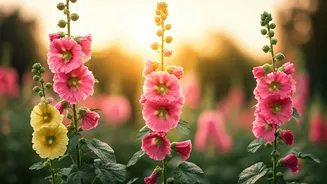
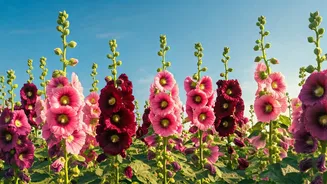
Hollyhocks, scientifically known as Alcea rosea, are magnificent flowering plants celebrated for their impressive stature, often reaching heights of 6
to 8 feet. This remarkable verticality makes them an invaluable asset for garden design, capable of creating a sense of depth and drama. Their bloom spectrum is equally captivating, offering a rich palette of colors including delicate pinks, cheerful yellows, bold reds, and deep purples, ensuring a vibrant addition to any landscape. Beyond their visual appeal, hollyhocks are noted for their resilience and ease of cultivation. As described by the Royal Horticultural Society, they are generally short-lived perennials or biennials that flourish when sown from seed in well-draining soil bathed in full sunlight. This preference for warm, sunny conditions makes them ideal for summer gardens, providing a continuous splash of color when other plants might struggle under the heat. Their historical significance in traditional cottage gardens further underscores their timeless charm, lending a sophisticated and structured appearance that can make even modest gardens feel grand and meticulously planned, reminiscent of a royal estate.
Cultivating Your Hollyhocks
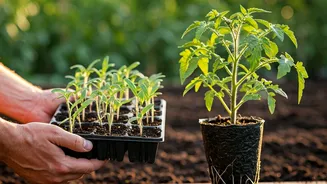
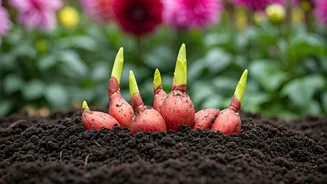
Bringing the regal beauty of hollyhocks to your home garden is a straightforward endeavor, beginning with the simple act of sowing seeds. The optimal time for this is during the spring or early summer months, allowing the plants ample time to establish themselves. Select a location that offers abundant sunlight and good air circulation, as this is crucial for preventing the onset of fungal diseases, particularly rust. When it comes to watering, moderation is key; aim to keep the soil consistently moist but avoid waterlogging, which can be detrimental to root health. Hollyhocks also prefer slightly alkaline soil conditions for optimal growth. Proper spacing between plants is another vital consideration, not just for aesthetic reasons but to further mitigate disease risk by ensuring air can flow freely around each specimen. Due to their considerable height, these plants can become top-heavy, especially when exposed to wind. Therefore, it's advisable to provide support by placing stakes among them early in their growth cycle, safeguarding them from potential damage and maintaining their upright, elegant posture.
Maintaining Vibrant Blooms
To ensure your hollyhocks grace your garden with continuous and spectacular blooms throughout the summer, a few simple yet effective care practices are essential. Regular deadheading—the process of removing spent or faded flowers—encourages the plant to redirect its energy into producing new blossoms, thereby extending the flowering period. Hollyhocks can occasionally be susceptible to rust, a common fungal ailment that manifests as orange or yellow spots on the leaves. The Royal Horticultural Society recommends a proactive approach to managing this: promptly remove any affected leaves to prevent further spread and ensure excellent air circulation around the plants, which helps to create an unfavorable environment for the fungus. Furthermore, nourishing your hollyhocks with a balanced fertilizer once a month can significantly contribute to their overall health and vigor, promoting more abundant and brighter blooms. By diligently applying these horticultural tips, you can maintain a visually stunning display and enjoy the extended beauty of your hollyhock flowers.