





The Science Behind Malai
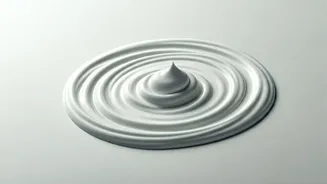
The efficacy of malai, or fresh milk cream, in skincare is rooted in its rich composition, particularly its lactic acid content. This naturally occurring
Alpha Hydroxy Acid (AHA) plays a crucial role in skin rejuvenation by effectively dissolving the bonds that hold dead skin cells together. This process promotes a healthy cycle of skin cell renewal. Complementing the exfoliating action of lactic acid, the inherent fatty acids within malai work to fortify the skin's natural barrier. This dual action ensures deep hydration and repair, offering a gentler alternative to abrasive physical scrubs that can cause micro-tears. The result is a smooth, revitalized complexion without the irritation often associated with harsh treatments, akin to a mild chemical peel but without the redness.
Malai and Turmeric for Brightening
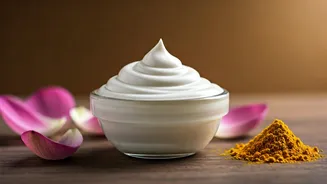
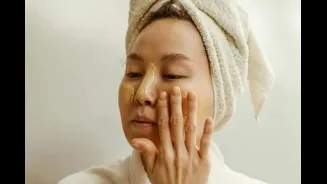
For an immediate skin awakening, particularly before an event, the combination of malai and turmeric offers a powerful solution. Turmeric, celebrated for its active compound curcumin, possesses significant anti-inflammatory and antioxidant properties. These attributes actively work to regulate melanin production, counteracting the effects of sun exposure and reducing hyperpigmentation. The recommended preparation involves mixing a tablespoon of fresh malai with a minuscule pinch of wild turmeric, specifically kasturi haldi to avoid any unwanted temporary yellowing of the skin. This mixture should be applied as an even layer over tanned areas and left for 15 to 20 minutes before being rinsed off with lukewarm water, revealing a brighter, more even skin tone.
Malai, Besan, and Rose Water
Individuals with oily skin might hesitate at the thought of applying pure cream, fearing breakouts. However, a modified approach using malai, besan (gram flour), and rose water offers a balanced solution. This blend incorporates besan, a gentle physical exfoliant that also absorbs excess oil, thereby mitigating the richness of the malai. The ingredients are combined to form a smooth paste, with just enough rose water added to achieve the desired consistency. Applied to the face, this mask is allowed to semi-dry for approximately 15 minutes. The key step for exfoliation comes just before rinsing: a gentle circular massage that effectively lifts away dead skin cells loosened by the paste, leaving the skin feeling refreshed and less oily.
Malai and Lemon for Tanned Skin
Addressing deeply set and dark tan requires a potent combination of exfoliating and brightening agents. Lemon juice, abundant in Vitamin C and citric acid, acts as a natural bleaching agent capable of tackling stubborn pigmentation. However, direct application of lemon juice is detrimental to the skin's barrier. Malai serves as a crucial buffer, diluting the acidity of the lemon juice and allowing its beneficial properties to work without causing damage or irritation. The recommended mix is one tablespoon of malai combined with half a teaspoon of fresh lemon juice. This potent concoction should be applied exclusively to tanned areas for a maximum of 10 to 15 minutes before being thoroughly rinsed off with cool water to preserve the skin's integrity.
Essential Application Guidelines
To maximize the benefits of malai-based skincare and avoid adverse effects, adhering to certain guidelines is paramount. It is advisable to use these treatments a maximum of two to three times per week, as over-exfoliation can still occur even with gentle ingredients like lactic acid. Pay close attention to the water temperature used for rinsing; hot water can strip away the beneficial lipids from the cream, negating its hydrating effects. Therefore, opt for cool or lukewarm water. Crucially, consistent sunscreen application is non-negotiable. Since these treatments reveal fresh, new skin cells, the skin becomes highly susceptible to sun damage. Neglecting SPF protection can lead to rapid re-tanning and increased sensitivity.