





A Distinctive Kodagu Tradition
The Coorg drape, also known as the 'Puthari' saree, is a distinctive traditional garment originating from the Kodagu district of Karnataka, India. Its
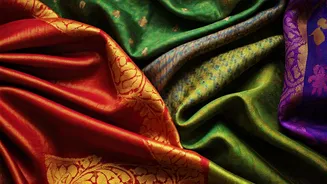
uniqueness lies in its specific draping method, where the pallu is meticulously pinned at the back, and the pleats are elegantly positioned at the front. This particular style is believed to be an evolution from the historical attire of the Kodava people, a community renowned for its unique cultural practices and traditional clothing. These sarees are often crafted from luxurious silk and are embellished with intricate embroidery and decorative elements, making them a popular choice for significant occasions such as weddings, religious ceremonies, and cultural festivals. The Coorg drape saree is far more than just a piece of clothing; it embodies the rich heritage and cherished traditions of the Kodagu region, serving as a powerful symbol of cultural identity and continuity. Its visual appeal and cultural weight have made it a treasured part of local sartorial heritage.
From Practicality to Identity
The Coorg drape saree's design is intrinsically linked to functionality, a testament to its origins within the Kodava community. Historically, the back-pleated structure was a practical innovation, allowing women greater freedom of movement as they navigated Coorg's undulating, hilly terrain. This ease of movement was crucial whether they were working in the vast coffee plantations, a significant local industry, or managing daily household chores. What began as a sensible sartorial choice for everyday life gradually transformed over time, evolving from a matter of practicality into a powerful symbol of identity and cultural pride. This transition highlights how traditional garments can reflect and adapt to the needs of their wearers while simultaneously preserving and communicating a community's unique heritage and way of life. The evolution of the saree from a functional garment to an emblem of identity underscores its deep connection to the Kodava people.
Modern Popularity Resurgence
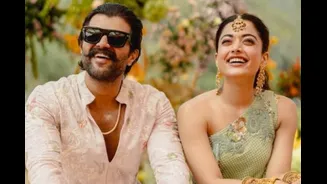
Recently, the Coorg drape saree has experienced a significant surge in visibility and appreciation, largely thanks to its adoption by prominent figures. Notably, popular Indian actress Rashmika Mandanna was recently adorned in a Coorg drape saree, drawing widespread attention to this traditional garment and its profound cultural history. Her choice to wear the saree for an intimate reception in Virajpet, Kodagu, following her wedding, was a deeply personal nod to her Coorg heritage. She opted for a pink and olive-green Kanjeevaram silk saree, specifically choosing the traditional Kodava drape over conventional styles. This move not only showcased her personal appreciation for traditional Indian fashion but also played a crucial role in popularizing the Coorg drape saree among a much broader audience. The actress's elegant presentation of the saree illuminated its timeless beauty and its enduring cultural significance, inspiring many to re-engage with and celebrate traditional Indian textiles. This contemporary endorsement helps ensure the longevity and continued relevance of this cherished cultural garment.