




Idli: South Indian Delight
Idli, a steamed savory cake, holds a special place in South Indian cuisine. Made from fermented batter of rice and lentils, idlis are a light and easily
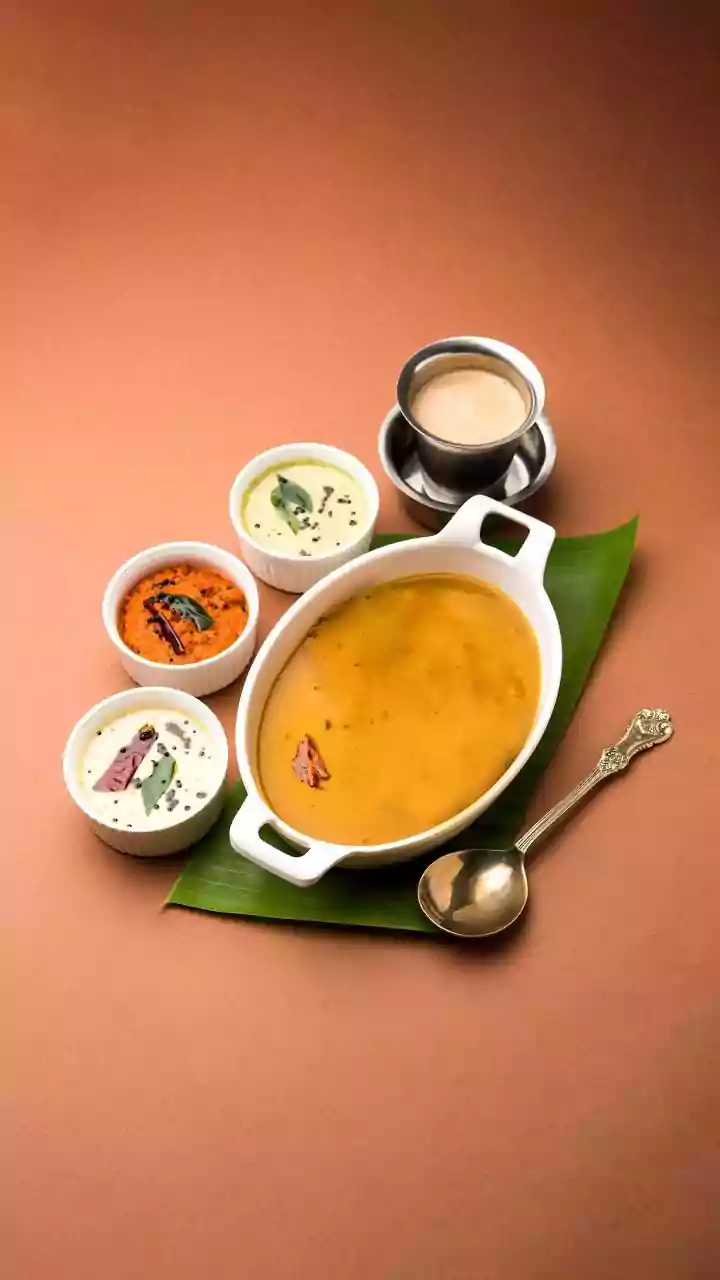
digestible breakfast choice. The fermentation process not only contributes to the fluffy texture but also enhances the nutritional value. The traditional preparation involves soaking rice and lentils, grinding them into a smooth batter, and allowing them to ferment overnight. The fermented batter is then poured into molds and steamed until cooked. Often served with sambar and coconut chutney, idli is a complete and balanced meal. The softness of the idli and the accompanying sides offer a delightful contrast in texture and taste, making it a beloved breakfast across generations. Beyond its taste, idli is a good source of carbohydrates and protein, providing sustained energy for the day.
Dhokla: Gujarati Treat
Originating from Gujarat, Dhokla is a steamed snack made from fermented batter, typically comprising gram flour (besan). The fermentation gives it a spongy texture. The batter is seasoned and then steamed until it becomes light and airy. The steamed dhokla is often tempered with mustard seeds, curry leaves, and sometimes green chilies, offering a burst of flavors. Served with green chutney and a sprinkle of coriander, dhokla is a flavorful and satisfying breakfast. This dish provides a good source of protein and carbohydrates, making it a filling and nutritious choice. Variations exist, including the use of rava (semolina) or other ingredients. The tempering adds a delightful aroma and texture, making dhokla a treat for the taste buds.
Khaman: Another Gujarati Favorite
Similar to dhokla, Khaman is another popular steamed snack from Gujarat, typically made from a batter of besan (gram flour). The key difference lies in the ingredients and preparation methods. Khaman is often less dense than dhokla, with a slightly softer texture. The batter is seasoned with spices, and a leavening agent is added to give it a light and spongy quality. The steamed khaman is then tempered with mustard seeds, asafoetida, and curry leaves. Garnished with coriander and served with chutney, khaman is a light and flavorful breakfast option. It is rich in protein and carbohydrates, making it a healthy breakfast. The preparation process involves a careful balance of ingredients to achieve the perfect texture, making it a culinary delight.
Puttu: Kerala's Pride
Puttu is a traditional breakfast dish from Kerala, made from steamed cylinders of ground rice. The rice is mixed with coconut and then steamed in a puttu kutti (steamer). The combination of rice and coconut provides a unique texture and flavor. It is often served with kadala curry (black chickpea curry) or with banana and sugar. Puttu is a simple yet satisfying dish that is both filling and nutritious. The steaming process retains the natural flavors of the ingredients, and the coconut adds a subtle sweetness and aroma. The texture of puttu is soft and crumbly, offering a delightful contrast to the creamy curry. This dish provides a good source of carbohydrates and fiber, offering sustained energy. The preparation is straightforward, making it a popular breakfast choice.
Modak: Maharashtrian Sweet
Modak is a sweet dumpling popular in Maharashtra, traditionally prepared during the Ganesh Chaturthi festival. While it's a festive treat, it can also be enjoyed for breakfast. The outer layer is made from rice flour, and the filling typically consists of coconut and jaggery. The dumplings are either steamed or fried. The steamed version is a healthier option, offering a light and sweet breakfast. The preparation involves a careful process of shaping the modak and ensuring that the filling is well-sealed. Modak offers a combination of flavors and textures, with the soft outer layer and the sweet, coconutty filling. It represents a delightful way to begin the day, providing a sweet treat while satisfying hunger. The coconut and jaggery offer a good source of energy, adding a touch of festive cheer.
Bati: Rajasthani Delight
Baati is a traditional Rajasthani dish that can be part of a hearty breakfast. Baati is made from wheat flour dough, shaped into round balls, and then baked or steamed. The steaming method, while less common, offers a softer texture. These baked baatis are often served with dal (lentils) and churma (a sweet crumble). The combination of the dal, baati, and churma offers a filling and balanced breakfast. The baati provides a good source of carbohydrates, while the dal and churma add protein and sweetness. Steaming the baati results in a slightly different texture than baking, providing a softer, more easily digestible version. This dish represents Rajasthani heritage, with the flavors and textures blending to create a unique and satisfying breakfast experience. Preparing the baati often involves a careful baking process to achieve the desired crust.
Idiyappam: String Hopper
Idiyappam, also known as string hoppers, is a popular breakfast dish in South India and Sri Lanka. Made from rice flour, these string-like noodles are steamed and often served with coconut milk, curry, or vegetable stew. The texture of idiyappam is soft and delicate. Its mild taste pairs well with the accompanying curries and chutneys. The steaming process ensures the noodles remain light and fluffy. It's a quick and easy breakfast, providing a good source of carbohydrates. The versatility of idiyappam makes it a popular choice, and it can be customized with various side dishes to create a complete meal. The simple ingredients make this dish easy to prepare, making it a regular feature in many households.
Momo: Himalayan Staple
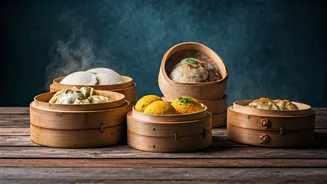
While not exclusive to India, momos have become a popular breakfast choice in the northeastern regions. These steamed dumplings are filled with meat or vegetables and seasoned with spices. The steaming process ensures the dumplings remain moist and flavorful. Served with a spicy chutney, momos offer a satisfying and flavorful breakfast. The filling can vary depending on the region and personal preference. The combination of the soft dumpling, flavorful filling, and spicy chutney provides a delightful contrast. Momos are a hearty breakfast, providing a good source of protein and carbohydrates. The preparation typically involves preparing the filling, wrapping it in dough, and steaming until cooked.
Vada: Fried or Steamed
Vada, commonly a deep-fried savory snack, can also be prepared with a steaming method for a healthier breakfast. Vada typically made from lentil batter, is a popular South Indian dish. The steamed version involves shaping the batter into donut-like rings and steaming them until cooked. This eliminates the excess oil. This creates a lighter version of the traditional vada. It is often served with sambar and chutney. The steaming method reduces the fat content, making it a healthier breakfast option. The soft, spongy texture of the vada pairs well with the flavorful accompaniments. Steamed vada is a good source of protein from the lentils. It offers a balanced meal that is light on the stomach.
Poha: Maharashtrian Delight
Poha is a breakfast favorite made from flattened rice (poha), popular across Maharashtra and other regions. While not entirely steamed, the cooking method involves steaming the poha to soften it. The flattened rice is soaked and then steamed. It's often tempered with mustard seeds, curry leaves, onions, and spices. It's often garnished with coriander and lemon juice. This dish is quick to prepare and provides a good source of carbohydrates, making it a convenient and nutritious breakfast choice. The tempering adds a delightful aroma and flavor to the poha. The lemon juice enhances the taste, making it a refreshing breakfast option. The soft, fluffy texture of the poha and the flavorful seasoning make it a popular and easy-to-make breakfast.