






Childbirth and Bollywood
The world of Bollywood is often perceived through a lens of glamour and perfection, but even celebrities experience the same natural processes as everyone
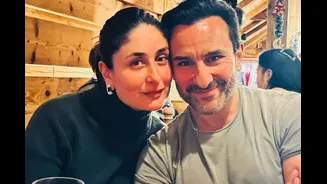
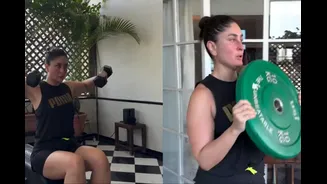
else. Kareena Kapoor, a well-known actress, has openly shared details of her personal life, including her experiences with childbirth. This openness is significant because it normalizes common medical procedures like C-sections, which are often shrouded in misunderstanding or stigma. The courage to discuss such personal experiences demonstrates a move toward greater transparency, allowing the public to connect with celebrities on a more human level. Her willingness to share her experiences helps in removing the perception that childbirth is always a flawless, pain-free experience, as it often appears to be in the glossy world of media. It brings to the forefront the reality of the process.
Two C-Section Deliveries
Kareena Kapoor has undergone two C-section deliveries. While not uncommon, the experience is often perceived differently by individuals. A C-section, also known as a cesarean section, is a surgical procedure to deliver a baby through incisions made in the mother’s abdomen and uterus. The decision to have a C-section is often made due to medical reasons, but it can also be chosen for other reasons. Her public discussion of her experiences demonstrates her willingness to share a crucial aspect of her motherhood journey. Her openness aids in demystifying the procedure, providing a more balanced view of childbirth, and reducing the stigma attached to it. The decision to share her journey can also empower other women who might be going through a similar experience by letting them know that it is a normal experience.
Normalizing the Procedure
Kareena Kapoor's perspective on C-sections centers on the idea that they are not abnormal. This statement is incredibly important because it confronts societal perceptions. Many individuals have pre-conceived notions or stigmas attached to cesarean sections, often viewing them as less 'natural' than vaginal births. Her words challenge these views by emphasizing that C-sections are a legitimate and common method of delivering babies. By asserting that it is normal, she creates a space for a more balanced perspective. This normalization can be hugely helpful for women who are considering or have undergone a C-section, reducing anxiety and encouraging a healthier, more realistic understanding of childbirth. This perspective also promotes a more inclusive dialogue around women's health and reproductive choices.