






The Samosa's Journey
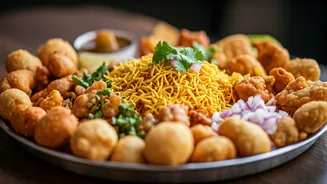
The ubiquitous samosa, a crispy, savory pastry often filled with spiced potatoes and peas, is a beloved snack across India. However, its lineage doesn't
begin on Indian soil. This triangular delight's ancestors hail from the Middle East and Central Asia, where a precursor known as 'sambusak' was a popular item. It is believed that traders and travelers introduced this dish to India centuries ago. Over time, the Indian palate embraced and adapted it, transforming the original version into the intensely flavorful and varied samosas we recognize and adore today, showcasing a remarkable journey of culinary adaptation.
Chicken Tikka Masala's UK Birth
Often hailed as a classic Indian curry, Chicken Tikka Masala's true origin story is quite different. While its flavors are undoubtedly Indian-inspired, this creamy, spiced chicken dish is widely thought to have been invented in the United Kingdom. Culinary historians suggest that South Asian chefs working in Britain created it specifically to cater to the British preference for a richer, saucier dish. This culinary innovation resulted in a fusion dish that has become immensely popular, demonstrating how cultural exchange can lead to entirely new and beloved gastronomic creations.
Chilli Chicken's Indo-Chinese Blend
A vibrant and spicy favorite in Indian Chinese cuisine, Chilli Chicken boasts a unique genesis. Its creation is credited to the Chinese community that settled in India, particularly in Kolkata. These enterprising individuals ingeniously blended traditional Chinese cooking techniques with the bold and aromatic spices characteristic of Indian flavors. This fusion resulted in a dish that perfectly marries two distinct culinary worlds, becoming a testament to the dynamic evolution of food in multicultural settings and a testament to culinary innovation.
Naan's Persian Roots
This soft, leavened flatbread, a staple accompaniment to countless Indian meals, has origins that stretch back to Persia, the region we now know as Iran. Naan was introduced to the Indian subcontinent during the era of the Mughal Empire. Its popularity grew immensely, especially in the northern regions of India, where it became intrinsically linked with tandoor, or clay oven, cooking. The process of baking naan in a tandoor imparts a unique smoky flavor and texture that has made it an enduring symbol of North Indian culinary heritage.
Rajma's American Ancestry
The hearty and comforting kidney bean dish, Rajma, a cornerstone of North Indian cuisine, has a surprising origin. The kidney bean itself is native to Central and South America. European traders are credited with introducing these legumes to India. Over generations, Indian cooks embraced rajma, developing the distinctive rich, spiced gravy and cooking methods that have made it a beloved staple in households across northern India, showcasing the global reach of agricultural exchange and culinary adoption.
Biryani: A Contested Legacy
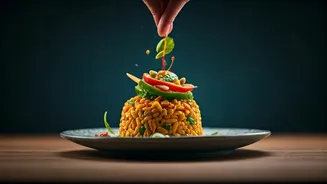
While the exact origins of Biryani are debated, many culinary historians point to its roots in Persia. Similar to naan, it is believed to have arrived in India during the Mughal era, possibly evolving from dishes like the Persian 'pulao'. However, its journey through the diverse regions of India has led to countless variations, each reflecting local ingredients and culinary traditions. The fragrant rice, meat, and spice melange that defines Biryani is a testament to centuries of cultural fusion and regional adaptation, making it a truly iconic dish with a complex history.