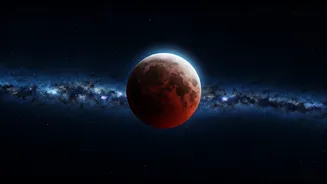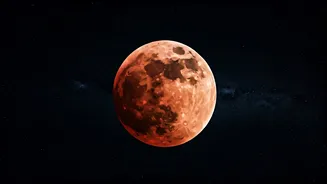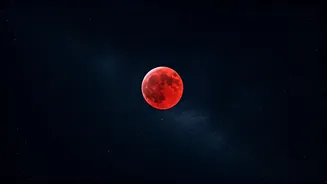




Eclipse Timing Details
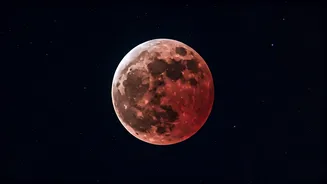
The total lunar eclipse on March 3, 2026, will commence with the penumbral phase at 12:09 PM IST, marking the initial, subtle dimming of the Moon. This
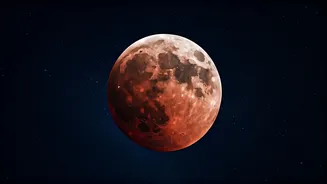
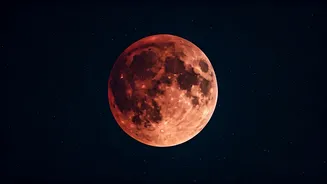
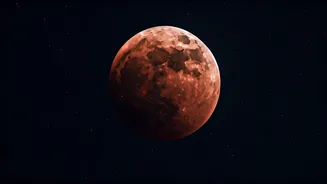
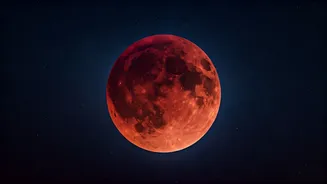
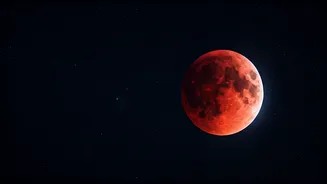
will be followed by the partial lunar eclipse at 01:17 PM IST, where a portion of the Moon will begin to be obscured by Earth's umbra. The most anticipated phase, the total lunar eclipse, will officially begin at 02:46 PM IST, bathing the Moon in a striking reddish hue. This period of totality will last for approximately 3 hours and 55 minutes, concluding at 06:41 PM IST. The partial eclipse will end at 05:17 PM IST, and the entire event will conclude with the penumbral eclipse ending at 06:21 PM IST. While the eclipse begins in the afternoon for India, the most visually dramatic parts, including totality, will occur when the Moon is relatively low in the sky or just below the horizon for many locations, making the early evening phases crucial for observation.
City-Wise Visibility
For skygazers across India, the visibility of the March 3, 2026, total lunar eclipse will depend significantly on their geographical location and the Moon's position at different stages of the eclipse. In the northern parts of India, cities like Delhi, Chandigarh, and Lucknow might experience the later stages of the partial and total eclipses as the Moon rises. Those in the eastern regions, such as Kolkata, Guwahati, and Bhubaneswar, will have a better chance of witnessing the totality phase clearly in the early evening sky. Conversely, observers in the western parts, including Mumbai, Ahmedabad, and Pune, may find the Moon still quite low on the horizon during totality, requiring an unobstructed eastern view. Southern Indian cities like Chennai, Bengaluru, and Hyderabad will also have decent viewing opportunities, with the Moon generally visible in the evening sky after the eclipse's peak. It's essential for everyone to check local timings for moonrise and the specific visibility windows for their particular city to maximize their viewing experience.
Viewing Experience Tips
To fully appreciate the marvel of the March 3, 2026, total lunar eclipse, preparation is key. Begin by finding a location with minimal light pollution and a clear, unobstructed view of the sky, especially towards the east as the Moon will be rising during the key phases. While no special equipment is strictly necessary for viewing a lunar eclipse, binoculars can enhance the experience, allowing you to observe the subtle color changes and surface details of the Moon more vividly. For those interested in a deeper understanding, a telescope will offer even greater magnification. Remember that unlike solar eclipses, lunar eclipses are perfectly safe to view with the naked eye, so no protective eyewear is needed. Dress comfortably for the expected weather conditions, as you might be outdoors for an extended period. Consider bringing a comfortable chair, a warm blanket, and perhaps some snacks to make your viewing session enjoyable. Sharing the experience with friends and family can add to the magic, creating lasting memories of this celestial event.