





Bollywood's Past Reign
For decades, from the 1960s through the 2000s, Hindi cinema served as the undisputed arbiter of Indian fashion. Style was aspirational, with the public
actively seeking to emulate their favorite stars. This manifested in a desire for specific clothing items, like the iconic bell-bottom trousers seen on film heroes, or hairstyles mirroring those of lead actors. Similarly, fashion choices for everyday wear, such as sarees and suits, were heavily influenced by what was showcased on screen. The common practice was to approach tailors with images of celebrity outfits, aiming to recreate these looks for personal wardrobes, making Bollywood a powerful trendsetter that shaped the sartorial choices of an entire nation for generations.
The Rise of Individuality
The contemporary fashion landscape in India presents a stark contrast to the past. Today's consumers are less inclined to follow established trends, particularly those dictated by Bollywood. The desire has shifted towards owning unique pieces that haven't been seen before, even by celebrities. This quest for distinctiveness emphasizes exclusivity and a concept often termed 'quiet luxury.' This manifests not just in clothing but also in the careful curation of accessories and makeup, allowing individuals to express their personal style without overt brand statements or replicating celebrity looks. The focus is on cultivating a personal aesthetic that is authentic and stands apart from the crowd, signifying a significant departure from earlier decades.
Celebrity Influence Wanes
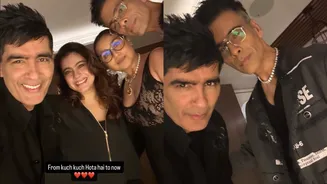
Renowned filmmaker Karan Johar has observed and commented on this significant evolution in fashion preferences. He points out that the era where a Bollywood star's endorsement automatically dictated fashion choices has largely passed. Individuals are increasingly questioning the appeal of wearing outfits identical to those worn by prominent actresses like Kareena Kapoor Khan, Alia Bhatt, or Deepika Padukone. The underlying sentiment is a reluctance to be perceived as a mere imitator of a celebrity's style. This signals a broader societal shift where personal identity and authenticity are prioritized over direct emulation, leading to a more discerning and self-directed approach to fashion consumption.
Demand for Personalization
The luxury fashion market, in particular, is experiencing a profound demand for personalized experiences, as highlighted by Karan Johar. Just as digital platforms curate content based on user engagement, consumers now expect brands to cater to their individual tastes and preferences. This means moving beyond mass-produced items and seeking out services that feel bespoke. Customers are vocal about not wanting to wear what others have already donned, expressing a desire for exclusive treatment and tailored customer service. The expectation is that by investing in luxury, they should receive something unique, an experience that sets them apart and makes them feel exceptionally special, reflecting a sophisticated consumer mindset.