



A Symbol of Hope
Queen Elizabeth II's 1947 wedding dress stands as a poignant symbol of resilience in post-war Britain. Despite the nation's austerity and rationing, the Queen ingeniously
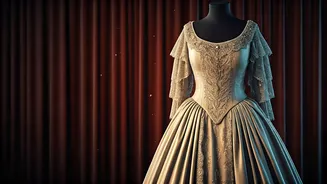
used her own ration coupons to acquire the silk for her Norman Hartnell creation. The gown was meticulously adorned with 10,000 seed pearls, artfully arranged in motifs of spring flowers, a deliberate choice meant to represent rebirth and optimism for a country on the mend. This dress wasn't just a garment; it was a statement of national recovery and a beacon of hope for the future, making it an indelible part of bridal history and a testament to resourcefulness in challenging times.
Hollywood Glamour Meets Royalty
Grace Kelly, the epitome of Hollywood elegance, seamlessly transitioned into royalty with her 1956 marriage to Prince Rainier III of Monaco. Her exquisite gown, a generous gift from her former studio, MGM, was a masterpiece designed by Oscar-winning costume designer Helen Rose. The ensemble featured an intricately crafted bodice made from antique Brussels lace, paired with a voluminous skirt fashioned from luxurious silk faille. This ensemble set a benchmark for royal bridal sophistication, blending Hollywood's allure with the timeless grace expected of a princess. Its impact on subsequent royal wedding fashion was profound, becoming a gold standard for elegance and refinement.
The Fairytale Spectacle
Princess Diana's 1981 wedding to Prince Charles remains one of the most memorable fairy-tale moments in royal history, largely due to her spectacular gown. Designed by David and Elizabeth Emanuel, the ivory silk taffeta dress was the quintessential 1980s creation, complete with voluminous puffed sleeves and an astonishing 24-foot train that rewrote the record books for its length. The gown was adorned with an estimated 10,000 pearls, adding to its opulent grandeur. The dress was a closely guarded secret, adding to the suspense and ultimate reveal as she stepped out of her carriage, solidifying its place as an iconic bridal statement.
Modern Minimalism's Impact
Meghan Markle, in 2018, offered a striking departure from traditional royal bridal attire with her minimalist ensemble. Her Clare Waight Keller for Givenchy dress eschewed heavy embellishments, favoring a sleek silk cady fabric and a sophisticated bateau neckline. The true drama of her look resided in the 16-foot veil, a meticulously hand-embroidered piece showcasing the floral emblems of all 53 Commonwealth countries. This choice presented a modern, understated yet powerful statement, proving that simplicity could be just as unforgettable and impactful as more elaborate designs, redefining contemporary royal bridal aesthetics.
A Nod to the Past
Kate Middleton’s 2011 wedding gown, created by Sarah Burton for Alexander McQueen, masterfully paid homage to Grace Kelly's iconic look. The Princess of Wales's dress featured a Victorian-inspired corset, elegant long lace sleeves, and a substantial train measuring nearly 9 feet. This ensemble single-handedly revitalized the popularity of long-sleeved lace gowns, demonstrating a timeless appeal. The design's enduring influence is evident in its status as one of the most replicated wedding dresses of the 21st century, showcasing a perfect blend of classic elegance and contemporary bridal trends.
Breaking Tradition Boldly
Queen Rania of Jordan challenged conventional European bridal norms in 1993 with her distinctive wedding attire. Designed by Bruce Oldfield, her gown stood out by completely deviating from the typical all-white palette. Instead, it featured a striking tailored collar and was richly embellished with gold embroidery, drawing significant inspiration from traditional Syrian formal wear. This bold choice showcased a unique fusion of royal elegance and cultural heritage, creating a stunning and unforgettable bridal look that celebrated her Jordanian roots with contemporary flair.
Upcycled Royal Treasure
Princess Beatrice demonstrated a beautiful act of royal continuity and sustainability in 2020 by repurposing a gown from her grandmother's wardrobe. She wore a vintage Norman Hartnell dress, originally seen on Queen Elizabeth II at a movie premiere in the 1960s. Beatrice commissioned modifications, including the addition of sheer organza puff sleeves, transforming the historical garment into a modern bridal statement. This act of royal upcycling offered a touching and rare glimpse into the Queen's personal collection, symbolizing a deep connection between generations and a mindful approach to fashion.