



Global Acclaim for Indian Puddings
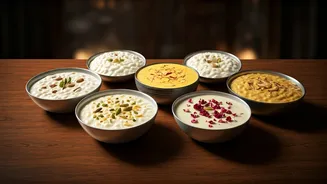
The esteemed food guide, TasteAtlas, has illuminated the world's diverse culinary landscape by releasing its definitive ranking of the Top 32 Rice Puddings
globally. This prestigious list has prominently featured India, acknowledging six of its regional rice-based delicacies and underscoring the nation's profound culinary heritage. These dishes transcend mere desserts, embodying stories of culture, ingrained memories, and deep-seated devotion, as highlighted by food author and historian Sadaf Hussain. He elaborates that the extended preparation time, the captivating aromas that fill the kitchen, and the personal connections forged with these dishes are precisely what contribute to their lasting appeal and widespread adoration. This recognition by TasteAtlas not only celebrates the taste but also the intricate cultural tapestry woven into each spoonful.
Phirni: Festive Creaminess Celebrated
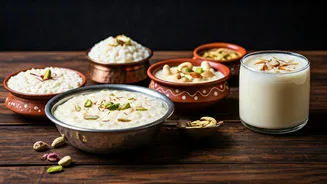
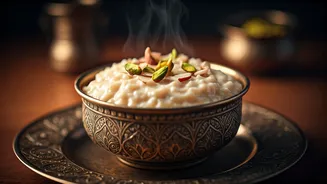
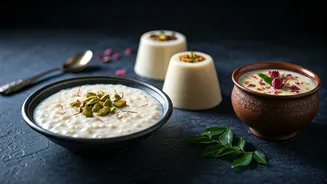
Securing an impressive third position on the global chart, Phirni stands out for its exquisitely slow-cooked, creamy texture and its association with joyous celebrations. Food historian Sadaf Hussain emphasizes that the magic of Phirni lies in its meticulous preparation; the slow simmering process and the rich, aromatic essence that emerges from simple ingredients like milk and rice are what truly elevate this dish. Traditionally served chilled in charming earthen bowls, Phirni offers a sensory experience that is both delightful and deeply satisfying. Its presence on the global stage highlights its unique ability to blend comforting creaminess with an elegant, festive appeal, making it a cherished delicacy.
Kheer: An Ancient Delight
Holding the seventh spot globally, Kheer is celebrated as one of India's most ancient and universally cherished desserts. Its historical roots run deep, with mentions found in ancient texts, demonstrating a remarkable continuity in its preparation and appeal across centuries. Hussain points out the enduring nature of Kheer, noting that its essence has remained remarkably consistent from historical accounts like the Mānasollāsa to its modern-day rendition. This consistent presence and beloved status across generations solidify Kheer's position not just as a dessert, but as a significant marker of India's culinary history and tradition, offering a taste of heritage in every serving.
Sakkarai Pongal: Harvest's Sweetness
From the agrarian heartlands of South India, Sakkarai Pongal earns the fifteenth rank, celebrated as a sweet offering intrinsically linked to harvest rituals and agrarian traditions. Sadaf Hussain beautifully articulates that consuming Sakkarai Pongal during harvest season signifies a profound connection to the earth, the labor involved in cultivation, and the beliefs that sustain agricultural communities. This dish is more than just a sweet confection; it represents a participation in the cyclical journey of land and livelihood, embodying gratitude and the bounty of nature. Its recognition on the global list celebrates this deep cultural and spiritual significance tied to the land.
Pongal: Comforting Staple
Occupying the nineteenth position, Pongal, while often prepared in a savory version, is acknowledged for its comforting, porridge-like consistency and its role as a daily staple across South India. Its inclusion highlights the versatility of rice-based dishes and their integration into everyday life, offering warmth and sustenance. The simplicity and profound connection to daily routines make Pongal a cultural cornerstone, appreciated for its unpretentious yet deeply satisfying nature. This recognition underscores how humble, everyday dishes can hold significant cultural weight and appeal on an international scale.
Doodhpak: Rich Western Variant
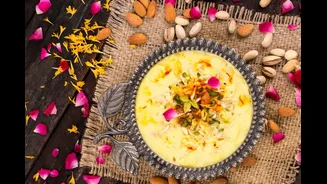
Representing Western India at the twenty-fourth spot, Doodhpak emerges as a richer, more indulgent relative of Kheer. This variation is distinguished by its luxurious infusion of saffron and a generous addition of nuts, reflecting regional preferences for opulent flavors and celebratory feasting. The creamy texture and aromatic profile of Doodhpak offer a distinct experience, embodying the spirit of festivity and indulgence prevalent in Western Indian culinary traditions. Its global acknowledgment celebrates this specific regional flair for creating decadent and richly flavored rice-based dishes.
Ven Pongal: Savory Counterpoint
Rounding off India's representation at rank twenty-six, Ven Pongal presents a fascinating savory dimension to the world of rice puddings. This preparation masterfully balances rice and lentils, enhanced by the aromatic notes of ghee, pepper, and a medley of spices. Sadaf Hussain elaborates on how regional identity is intrinsically woven into such dishes, shaped by climate, available local produce, and lifestyle. Ven Pongal exemplifies this, showcasing how culinary traditions adapt and thrive, offering a flavorful contrast that highlights the incredible diversity within India's rice-based cuisine, proving that these dishes are far more than just sweet endings.
Essence of Indian Rice Puddings
The enduring allure of Indian rice puddings, as echoed by food author and historian Sadaf Hussain, can be distilled into three core elements. Firstly, the tradition of slow cooking cultivates profound depth of flavor and aroma, a stark contrast to faster modern methods. Secondly, their cultural context is paramount, permeating everything from joyous festivals and temple offerings to solemn mourning rituals, embedding them deeply within the fabric of life. Finally, their remarkable consistency across centuries speaks to an authentic preservation of culinary heritage. As Hussain aptly puts it, these dishes are not merely desserts but 'memories served in a bowl,' imbued with devotion, symbolizing prosperity, abundance, and gratitude.